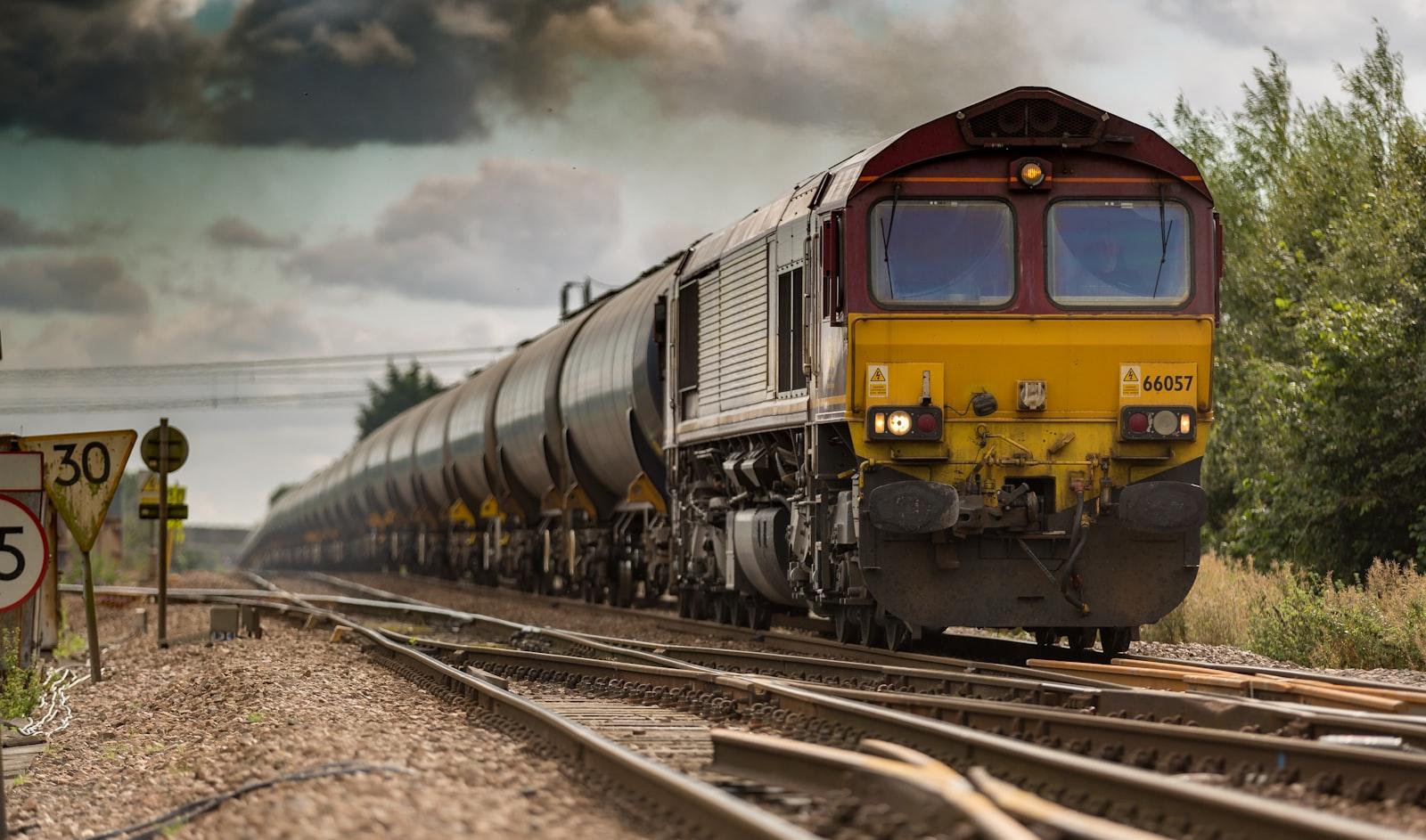
Indian Railways is the fourth-largest rail network in the world, moving over 23 million passengers a day across 68,000+ km of track. For travellers, trains are an authentic, cheap, and surprisingly comfortable way to cover the country. The system looks complicated at first: multiple classes, advance booking windows, Tatkal tickets, waitlists, station chaos. This guide breaks it down with the practical strategies and the actual rules you need to use it.
Understanding Indian Train Classes: From Budget to Luxury
Indian Railways has multiple classes, each at a different comfort level and price point. Pick based on your budget, the length of the journey, and how much comfort you actually need.
**Sleeper Class (SL):** the cheapest option for overnight journeys. Open compartments with three-tier berths (lower, middle, upper). No AC, just fans and open windows. Mumbai to Delhi runs ₹400 to ₹800. Crowded, noisy, and authentic. You'll talk to locals, share food, and see how most Indians actually travel. Not for everyone, but the cultural immersion is real. Keep valuables locked and close.
**AC 3-Tier (3A):** the sweet spot for most travellers. Air-conditioned compartments with three-tier berths, curtains for privacy, and cleaner facilities. ₹1,200 to ₹2,000 for Mumbai to Delhi. Much more comfortable than Sleeper without being expensive. Popular with middle-class Indian families and budget-conscious foreign travellers. Bedding (sheets, pillow, blanket) included. Generally safe and reasonably quiet.
**AC 2-Tier (2A):** a step up. Only two tiers of berths (lower and upper), more spacious and quieter. ₹1,800 to ₹3,000 for long journeys. Curtains for privacy. Business travellers and people who want to pay a bit more for comfort tend to use it. Cleaner bathrooms and quieter passengers.
**AC First Class (1A):** the luxury tier. Private cabins (2 to 4 berths), lockable doors, better bedding, premium service. ₹3,500 to ₹6,000 for Mumbai to Delhi. Worth it for special trips or if privacy matters. Not every train runs First Class, check before booking.
**Chair Car (CC) and Executive Chair Car (EC):** for daytime journeys. Reclining seats like an airline instead of berths. CC is non-AC, EC is air-conditioned. Good for four to eight hour trips. EC runs ₹600 to ₹1,500 depending on distance. Popular for Bangalore-Chennai and the daytime Delhi-Jaipur trains.
**General/Unreserved:** cheapest and most chaotic. No reserved seats, first come first served. Extremely crowded, standing room only at peak. Only worth considering for very short trips (one to two hours) if you're adventurous. ₹50 to ₹150 for most routes.
How to Book Train Tickets: Step-by-Step Guide
**Booking window.** Tickets open 120 days in advance. For popular routes and dates (weekends, festivals, holidays), book the moment they open. They sell out in hours. Set a reminder for 10 AM on the opening day.
**Official booking methods.** IRCTC at www.irctc.co.in is the official portal. Creating an account needs an Indian mobile number for OTP, so get a local SIM or borrow one. Apps: IRCTC Rail Connect (official), ConfirmTkt, RailYatri (third-party with extra features). Otherwise: station counters (long queues, limited English) or travel agents (₹50 to ₹200 service fee).
**Booking process.** Search train by route and date, select the train and class, enter passenger details (name, age, gender, berth preference), pay (cards, UPI, net banking all work), receive an e-ticket by email or SMS. Show it on your phone or print it, both accepted. Carry photo ID matching the ticket (passport for foreigners, driver's licence or Aadhaar for Indians).
**Ticket status codes.** CNF (Confirmed): you have a guaranteed seat or berth. RAC (Reservation Against Cancellation): you share a side berth with another RAC passenger until something confirms. WL (Waitlist): you're in line. Many WL tickets confirm closer to the date as people cancel. Rule of thumb: WL under 20 to 30 usually confirms on popular routes.
**Tatkal (last-minute).** If you miss the advance window, Tatkal opens 24 hours before departure (10 AM for AC, 11 AM for non-AC). Higher prices, often 1.5x to 2x the normal fare. Extremely competitive, websites crash and tickets sell out in minutes. Be ready exactly at opening with all details pre-filled. Fast internet and luck both help.
Major Railway Stations: What to Expect
**Mumbai stations.** Two main terminals: Chhatrapati Shivaji Maharaj Terminus (CSMT, formerly VT) for long-distance trains to south and central India, and Mumbai Central for trains to the north and west. Both are huge and crowded but reasonably organised. Arrive 30 to 45 minutes early. Platform numbers appear two to four hours before departure on display boards and apps. Porters (coolies) charge ₹50 to ₹100.
**New Delhi Railway Station.** A 16-platform station that can be overwhelming. Check the platform on the IRCTC app or the display boards. Allow 45 to 60 minutes for arrival, security, and finding your platform. The station has AC and non-AC waiting rooms (₹30 to ₹100), food courts, and shops. Use the prepaid taxi or auto counter outside to avoid being overcharged.
**Bangalore City Junction (SBC).** Well-maintained, modern. Two main sections (City side and Cantonment side), check which one your platform is on. Uber and Ola pickup points are clearly marked. Metro connection makes access easy. Food options include Shanthi Sagar and A2B for South Indian breakfast.
**Jaipur Junction.** Single large station serving the Pink City. Manageable size, less chaotic than Delhi or Mumbai. Autos and prepaid taxis outside. Vegetarian restaurant and snack stalls on the platform. Allow 30 minutes.
**Goa stations.** Main stations are Madgaon (South Goa) and Thivim (North Goa). Smaller and easier to navigate than the metros. Taxis and bike rentals outside. Most beach areas are 30 to 60 minutes from the station.
Boarding and Journey Essentials
**Finding your coach.** Trains have 15 to 24 coaches with codes: S1 to S10 (Sleeper), B1 to B5 (3AC), A1 to A3 (2AC), H1 (1AC). Your ticket shows the coach (e.g. S7) and the berth number (e.g. 42). Platform charts go up three to four hours before departure showing where each coach will stop (Coach S7 at Platform 3, position 8). Apps like RailYatri show live coach positions.
**Berth preferences.** Lower berth: easiest access, can sit on it during the day, preferred by older people and families. Middle berth: folds up during the day, you share the lower berth as seating. Upper berth: most privacy, you can sleep any time, away from foot traffic. Side berth: narrower, next to the corridor, less privacy but a good view of the scenery and the train.
**What to carry.** Water bottle (stations sell bottled water for ₹20 to ₹40). Snacks like biscuits, chips, fruit, because pantry food doesn't suit every palate. Toilet paper or tissues (train toilets often don't have any). Hand sanitiser. Phone charger (most berths have a charging point). A light blanket or shawl (AC can be cold). A lock for luggage so you can chain bags to berth hooks. Something to read or watch offline, Wi-Fi is spotty.
**Luggage.** Each passenger gets 40 to 80 kg depending on class. Store bags under the lower berth or on the overhead racks. Lock and chain for overnight journeys. Keep wallet, phone, and passport in a secure bag that stays with you. Don't leave anything unattended.
Food on Trains: Options and Strategies
**Pantry car.** Most long-distance trains have one serving breakfast, lunch, and dinner. Quality varies, generally safe but nothing fancy. ₹150 to ₹300 per meal. Vegetarian options always available. Attendants pass through the coaches taking orders. Cash mainly, some trains take cards.
**Station vendors.** Trains stop at major stations for two to ten minutes. Vendors sell pakoras, samosas, chai, and local specialties through the windows. Famous stops: Lonavala for chikki, Nagpur for oranges, Agra for petha. ₹10 to ₹50 for most items. Have exact change ready. Quality varies, your call.
**E-catering.** IRCTC lets you order food from restaurants to be delivered at a specific station. Book via the app or website, pick the restaurant and the delivery station. Brought to your seat. ₹100 to ₹400 per meal. Reliable. Includes Domino's, Subway, and local places. Order two to three hours before the delivery station.
**Bring your own.** Safest and cheapest. Sandwiches, parathas, fruit, chips, biscuits. Instant noodles work too, ask the pantry for hot water (₹10 to ₹20). Many travellers prefer homemade food for hygiene and dietary reasons. Vegetarian food keeps better without refrigeration.
Safety and Security on Trains
**General safety.** Indian trains are generally safe, especially in AC classes. Millions travel every day without incident. Take normal precautions. Keep valuables close. Chain luggage to the berth fixtures. Don't accept food or drink from strangers, drugging scams are rare but they exist. Sleep with bags locked and chained.
**Solo female travellers.** Most trains have a ladies' compartment, usually one coach. Booking a ladies' berth means only women in that section. In mixed compartments, lower and middle berths in AC classes are generally safe. Trust your instincts. If someone makes you uncomfortable, tell the TTE (Ticket Examiner) or move seats. A lot of women travel solo on trains every day.
**Toilets.** Two types: Western (sit-down) and Indian (squat). Both discharge directly onto the tracks, so don't use them when the train is in a station. Carry hand sanitiser, soap is often missing. Lock the door properly. Western toilets are in AC coaches, Indian toilets in all coaches. Morning is the cleanest, late night the messiest.
**Ticket checking.** The TTE checks tickets during the journey. Have your ticket and photo ID ready. E-tickets on a phone are accepted. If you're travelling on a waitlist ticket that didn't confirm, the TTE will ask you to get off at the next major station or upgrade to whatever's available with a penalty. Always carry a valid ticket, fines for ticketless travel are heavy.
Common Routes and Journey Times
**Mumbai to Delhi.** Several trains a day. Rajdhani Express is the fastest at 16 hours and the most expensive at ₹2,500 to ₹4,000. August Kranti Rajdhani also runs 16 hours. Duronto Express takes 17 hours. The mail and express trains run 20 to 24 hours and cost ₹800 to ₹2,000. All overnight. Rajdhani for speed and service, regular trains for the budget.
**Delhi to Jaipur.** Four to six hours. Multiple trains daily including the Shatabdi Express (fastest at five hours, chair car ₹800 to ₹1,200). Good for day trips. Morning and evening departures. The highway runs parallel, so train and car take similar time, but the train cuts out the traffic stress.
**Bangalore to Mumbai.** Udyan Express runs 24 hours overnight, other trains 24 to 28 hours. Long journey, book an AC class for comfort. Passes through the Western Ghats. The flight is two hours and ₹3,000 to ₹6,000 if time matters.
**Mumbai to Goa.** The Konkan Railway route, 10 to 12 hours, scenic coastal journey. Mandovi Express and Konkan Kanya Express both run overnight. ₹400 to ₹1,500 depending on class. Views of the Western Ghats and the coast. Alternative: bus (12 to 14 hours, ₹800 to ₹1,500) or flight (one hour, ₹2,500 to ₹5,000).
**Bangalore to Goa.** Overnight, 14 to 16 hours via Hubli or Londa. ₹500 to ₹1,800. Less scenic than the Mumbai route. Many travellers take the overnight bus instead (12 to 14 hours, ₹1,000 to ₹1,800).
Apps and Resources for Train Travel
**Essential apps.** IRCTC Rail Connect (official booking), RailYatri (PNR status, platform info, coach position), Where is my Train (live train location, delay updates), ixigo trains (booking and tracking), ConfirmTkt (waitlist prediction, alternate trains). Download all of them, they complement each other.
**Checking PNR status.** PNR is the 10-digit number on your ticket. Check it to see if a waitlist has confirmed. Status updates multiple times a day as cancellations come in. The final chart prepares four hours before departure, that's your final status. Still waitlisted after the final chart means you can't board.
**Live train tracking.** Apps show where the train actually is, useful because delays are common. You see the train's position and estimated arrival. Tells you whether to rush to the station or have time for a chai.
Budget Tips for Train Travel
**Book early.** The 120-day window gets the lowest fares. Tatkal and last-minute bookings cost a lot more. Date flexibility helps find cheaper options.
**Pick the right class.** Sleeper is 40 to 60 percent cheaper than the AC classes. For overnight, Sleeper is fine if you're watching the budget. 3AC has the best comfort-to-price ratio. 2AC and 1AC are luxury, only if you have the budget.
**Train vs flight.** For journeys over 10 hours, the maths is: train ₹800 to ₹2,000, flight ₹3,000 to ₹8,000. Train saves money, costs time. If you're busy, the flight's time savings justify the price. If you're on a budget, an overnight train also saves a night's hotel.
**Save on food.** Bring your own and save ₹200 to ₹400 per journey. Station chai is ₹10 to ₹20 against pantry chai at ₹30 to ₹40. Small differences add up across multiple trips.
**Senior citizen discounts.** Indians over 60 get 40 percent off for men, 50 percent for women. Foreign seniors don't qualify. Children under 5 travel free, 5 to 12 get 50 percent off.
Common Mistakes and How to Avoid Them
**Not booking early enough.** Popular routes sell out weeks in advance. Book two to three months ahead in peak season (November to February, long weekends, festivals). Set reminders for the opening day.
**Arriving late.** Indian stations are huge and confusing. Platforms change. Security takes time. Minimum 30 minutes early for small stations, 45 to 60 minutes for Delhi or Mumbai.
**Trusting touts.** Station areas are full of people offering help with tickets, taxis, and hotels. They're all scams. Ignore them. Use the official counters, prepaid taxi booths, and verified apps. Decline unsolicited help firmly.
**Not checking the platform.** Platforms are announced two to four hours before departure and can change. Check the app or the display boards regularly. Don't rely on old information.
**Leaving luggage unattended.** Theft happens. Keep bags locked and in sight. Never leave valuables on the berth when you go to the toilet or the pantry car.
**Forgetting ID.** Photo ID matching the ticket name is mandatory. Passport for foreigners, Aadhaar or licence for Indians. Without ID, you can't board even with a valid ticket.
Cultural Aspects of Train Travel
**Social interactions.** Indians are chatty on trains. Fellow passengers will ask about your life, offer food, and give unsolicited advice about your travel plans. It is cultural friendliness, not intrusion. You can engage or politely decline. Sharing food is common, accept or offer something back as a gesture.
**Chai culture.** Chai wallahs walk through every 30 minutes calling 'Chai! Garam chai!' ₹10 to ₹20 in a small earthen cup (kullad) or paper cup. Worth accepting at least once. The call becomes the soundtrack of your journey.
**Window seats and scenery.** India unfolds through train windows: villages, paddy fields, mountains, rivers, urban sprawl. This is how many Indians see their own country. Lower berths by the window are the prized spot. The journey is as much the point as the destination.
**Sharing space.** Six to eight people in a cabin requires basic respect. No loud music, keep your phone volume low, maintain basic hygiene, don't hog the common space. Follow the unwritten code and the journey is pleasant.
Indian Railways is more than transport, it's a way to see the country. There will be delays, expect 30 minutes to two hours of late arrival. It can be chaotic and crowded. Amenities aren't always perfect. But you'll see diversity, make unexpected friends, eat local snacks, and watch stunning landscapes go by in a way that flying can't show you. Book the ticket, charge the phone, pack some snacks.