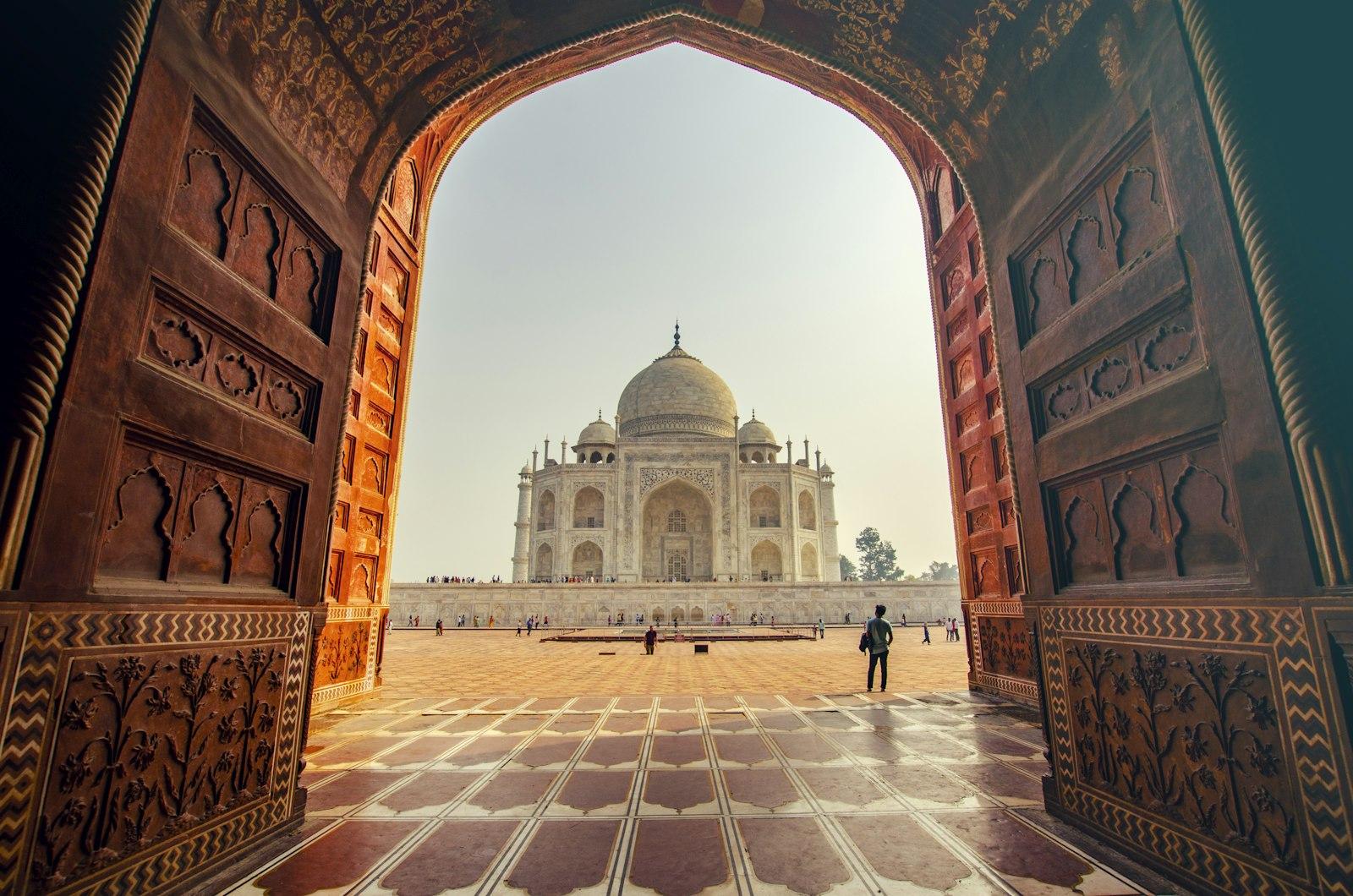
India gives photographers a lot to work with. Old monuments in early light, street scenes loaded with colour, landscapes that shift state every few hundred kilometres. This guide covers the better photography locations in five major cities along with the right time to shoot them, what to bring, and a few quieter spots that don't show up on every list.
Mumbai: Where Urban Chaos Meets Arabian Sea Beauty
**Gateway of India and Taj Mahal Palace (Colaba):** the city's most photographed pair. Sunrise between 6:30 and 7:30 AM gives soft light and a relatively empty plaza. Blue hour around 7 to 8 PM lights up both buildings against the dusk. Shoot from the waterfront promenade for the classic angle, or hire a small boat for ₹200 to ₹400 to get a view from the water. Weekday mornings are calmer than weekends.
**Marine Drive (Queen's Necklace):** the 3.6 km curve of Art Deco buildings along the coast. Golden hour from 6:30 to 7:30 PM makes the sea glow. From Nariman Point looking north you get the classic streetlight 'necklace' shot. Long exposures between 8 and 10 PM pick up light trails from traffic. A wide-angle 16-35mm covers it best.
**Dharavi:** Asia's largest slum and a chance for honest documentary photography. Book a licensed tour (₹1,200 to ₹2,000, photography permissions included). Best between 9 and 11 AM when the workshops are running. Pottery kilns, leather tanneries, recycling units. Ask before you photograph anyone. Most residents are welcoming if you approach respectfully. A 50mm or 85mm prime is the right choice for portraits.
**Bandra-Worli Sea Link:** photograph it from Worli seaface or Bandra Fort. Sunset around 6:30 to 7 PM silhouettes the bridge cleanly. Blue hour captures the lit cables against the dusk sky. Worli end is better for wide shots, Bandra Fort ruins for tighter compositions. Skip monsoon (July to September) for clearer skies.
**Kala Ghoda Art District:** heritage buildings, street art, sculptures, and cafes. Anywhere from 10 AM to 6 PM works. Overcast days actually help, the diffused light is kinder to the architectural detail. Don't miss the Kala Ghoda (Black Horse) sculpture, Rhythm House, and the David Sassoon Library. The Kala Ghoda Arts Festival in February turns the whole quarter into a set.
**Sassoon Docks (lesser-known):** the early morning fish market between 5 and 7 AM is one of the best documentary scenes in the city. Fisherwomen sorting catch, auctions in progress, boats unloading. Bring a weather-sealed camera. It is wet and smelly. Ask permission before close portraits. A 24-70mm zoom gives you the right range. Not for everyone, but rewarding work.
Delhi: Monuments, Markets, and Mughal Grandeur
**Humayun's Tomb:** UNESCO site and a Mughal masterpiece. Best between 6:30 and 8 AM when it opens for soft light and an empty garden. The Mughal symmetry shoots well wide. October to February, sunset between 5:30 and 6:30 PM gives a warm tone to the red sandstone. Entry is ₹35 for Indians, ₹550 for foreigners. Tripods allowed, drones not. The main gateway gives you the iconic symmetrical frame.
**Red Fort and Jama Masjid:** two Old Delhi neighbours that shoot very differently. Red Fort's exterior walls work best in morning light, 7 to 9 AM. Jama Masjid is at its best from the southern minaret, which costs ₹200 extra and is worth it for the rooftop view of Old Delhi. Friday prayers from 1 to 2 PM fill the courtyard with worshippers. Ask before photographing them and dress modestly, covered shoulders and knees.
**Chandni Chowk:** chaotic, colourful, and unmistakably Delhi. Best between 8 and 10 AM when the shops open and light filters into the narrow lanes. Paranthe Wali Gali, the spice market at Khari Baoli, the electrical market, each lane is its own story. A 35mm or 50mm prime works well in the tight space. Shoot candid market scenes but ask for portraits. Keep your gear close, it gets crowded.
**Lotus Temple:** the Bahá'í House of Worship, shaped like a lotus. Late afternoon between 4 and 5:30 PM catches the white marble petals in warm light. The pools around it create good symmetry and reflections. No photography inside the prayer hall, but the exterior and the gardens are open. Weekdays are quieter than weekends. A wide-angle 16-24mm fits the full structure.
**India Gate and Rajpath:** the war memorial is at its best at sunrise (6 to 7 AM) or sunset (6 to 7 PM). Long-exposure night shots from 8 to 10 PM with the memorial lit are striking. The monsoon (July to August) adds dramatic clouds. Rajpath gives you the head-on shot, Janpath crossing offers an angled one. Drones are not allowed, this is a government area.
**Agrasen ki Baoli (lesser-known):** an ancient stepwell in central Delhi. Best between 11 AM and 3 PM when sunlight reaches the bottom of the 108 steps. Symmetrical architecture, sharp light and shadow, free entry, rarely crowded. Featured in the Bollywood film PK. A wide-angle lens captures the depth. Watch your footing on the way down.
Jaipur: Pink City's Royal Frames
**Hawa Mahal (Palace of Winds):** the most-photographed building in Jaipur. Best between 7 and 8 AM when soft light hits the pink facade and the street is still quiet. The cafe rooftops opposite (Wind View Cafe charges ₹100 to ₹200) give you the best angle. The 953 windows form patterns that are hard to get wrong. Interior entry is ₹200 if you want shots from inside looking out. Skip midday, the harsh sun washes out the pink.
**Amber Fort:** a hill fort that gives you compositions in every direction. The Sheesh Mahal between 8 and 10 AM has light reflecting off the mirror inlay. Panna Meena ka Kund stepwell nearby is one of the most photographed corners in the country, shoot from the top for the geometric pattern, and get there between 8 and 9 AM before the tour buses arrive. Sunset from the fort ramparts looks down on Maota Lake. Entry ₹200, plus ₹200 for Sheesh Mahal. A guide for ₹300 to ₹500 will show you the better angles.
**Jal Mahal (Water Palace):** a palace that looks like it is floating on Man Sagar Lake. You cannot go inside (it has been closed for restoration), but the view from the lakeside road is the photograph. Sunrise between 6:30 and 7:30 AM gives you mirror reflections when the water is still. Sunset between 6 and 6:30 PM gives you silhouettes. August to October, post-monsoon, is when the lake is at its fullest. A 70-200mm telephoto isolates the palace nicely. Free access and parking at the viewpoint.
**Patrika Gate:** the newest Instagram fixture in Jaipur. Nine ornate gates depicting Rajasthani themes, all in saturated colour. Best between 9 and 11 AM or 4 and 6 PM to avoid harsh shadows. Go on a weekday. Weekends see two to three hour waits to get clean photos. Free entry. Bring a wide-angle to fit the gates in. The frescoes and patterns do most of the work.
**Nahargarh Fort:** sits on the Aravalli hills with the whole city laid out below. Sunset between 5:30 and 7 PM is the right window, the pink city catches the gold light. The Madhavendra Palace stepwell inside the fort is also worth shooting. Entry ₹200 for Indians, ₹500 for foreigners. Bring a telephoto for the city panorama and a wide-angle for the architecture. Stay through dusk to catch the lights, a tripod helps.
**Galtaji Temple (the Monkey Temple, lesser-known):** old Hindu pilgrimage site with natural springs, pavilions, and a lot of monkeys. Best between 7 and 9 AM for soft light through the pavilions. The pink pavilions, the holy kunds, and the valley behind them combine into compositions you don't get elsewhere. Free entry, donations welcome. The monkeys are bold, hold onto your gear. A 24-70mm zoom is the safest single-lens choice.
Bangalore: Garden City's Green Canvas
**Lalbagh Botanical Garden:** 240 acres of garden and the famous glasshouse. Best between 6 and 7:30 AM for mist, dew, and warm light. The Victorian Lalbagh Glass House (modelled on the Crystal Palace in London) shoots well from outside. The flower shows in January and August are the big draws. Entry ₹20, cameras allowed. A 90 to 105mm macro is the right pick for flower close-ups.
**Bangalore Palace:** Tudor-style architecture with Gothic towers. Late afternoon between 4 and 6 PM is the right window. Entry ₹280 including the interior. The exterior, woodwork, gardens, and vintage cars on display all give you different subjects. Photography is allowed in most areas, no flash inside. Wide-angle for architecture, 50mm for detail.
**Cubbon Park and Vidhana Soudha:** two neighbouring attractions in central Bangalore. Cubbon Park is shootable any time of day, the tree canopies, walkways, and the old British-era buildings all work. Vidhana Soudha (the state legislature) is best from the Cubbon Park side in the evening between 6 and 7 PM when the Neo-Dravidian building is lit. You cannot go in, but exterior photography from across the road is fine. The granite facade catches sunset light particularly well.
**Nandi Hills:** 60 km from Bangalore, the standard sunrise spot. Arrive by 5:30 AM to catch sunrise around 6 to 6:30 AM over misty valleys. Tipu's Drop, the Yoga Nandeeshwara Temple, and several panoramic viewpoints all give you separate compositions. Weekend mornings are packed, 200 photographers competing for the same angle. Weekdays are calmer. Bring a tripod for long exposures and a wide-angle for landscapes.
**Commercial Street and Brigade Road:** Bangalore's main shopping area and a strong setting for street photography. Best in the evening between 5 and 8 PM when the neon kicks in, vendors set up, and the crowds build. Festivals like Diwali (October to November) layer in lights and decorations. A 35mm or 50mm prime is ideal for candid work. Always ask before close shots of shopkeepers or vendors.
**Ulsoor Lake (lesser-known):** a quieter urban lake with lotus beds. Golden hour between 6 and 7 PM gives you reflections and boat silhouettes. Early morning between 6:30 and 7:30 AM brings mist on the water and lotus flowers opening. Boats are ₹100 to ₹200 if you want shots from the water. Less crowded than Bangalore's main spots. A telephoto compresses the perspective and isolates the lotus blooms.
Goa: Beaches, Churches, and Portuguese Charm
**Basilica of Bom Jesus (Old Goa):** UNESCO site, holds the remains of St. Francis Xavier. Best between 9 and 11 AM when light enters through the windows and lights the Baroque interior. Gilded altars, heavy historical weight, free entry, photography allowed without flash. Pair it with the Se Cathedral and the Church of St. Francis of Assisi nearby for a half-day of heritage shooting.
**Chapora Fort:** the one Dil Chahta Hai made famous. Sunset between 6 and 7 PM gives you panoramic views over Vagator Beach and the Arabian Sea. The Portuguese ruin walls frame the coastline well. Arrive 30 minutes before sunset to claim a spot. It gets crowded. Free entry. Wide-angle for both ruins and seascape. Full moon nights are worth bringing a tripod for.
**Palolem Beach:** South Goa's crescent-shaped beach. Sunrise between 6:30 and 7 AM is the window. The beach is empty, the fishing boats are returning, and the sky goes orange and pink. The palms, the boats, and the still water do most of the composition. Blue hour between 6:30 and 7:30 PM catches the beach shack fairy lights reflecting on wet sand. No entry fee. Wide-angle for panoramas, 70-200mm telephoto for the boats and fishermen.
**Fontainhas (the Latin Quarter, Panjim):** Goa's Portuguese heritage neighbourhood with yellow, blue, and green houses and narrow lanes. Best between 8 and 10 AM or 4 and 6 PM when the light is soft and the colours warm up. The Chapel of St. Sebastian, art galleries, and heritage homes line every corner. Free to walk through. A 35mm or 50mm is the right street lens here.
**Dudhsagar Waterfalls:** four-tiered waterfall on the Goa-Karnataka border. Best during and just after monsoon, June to October. Mid-morning between 10 AM and noon brings rainbows in the mist. The jeep safari from Mollem is ₹1,500 to ₹2,000 per jeep (six seats). Bring a waterproof cover, it is a wet environment. The falls drop 310 metres through forest. Wide-angle for scale.
**Divar Island (lesser-known):** a quiet island reached by free ferry from Old Goa. Portuguese mansions, Our Lady of Compassion Church, paddy fields, and rural Goan life. Best between 8 and 11 AM for village photography, or in the golden hour between 6 and 7 PM over the fields. Rent a scooter for ₹300 to ₹400 a day to cover the island. Almost no other tourists.
Photography Tips & Essential Information
**Best times to shoot across India.** Golden hour (the hour after sunrise and the one before sunset) gives warm, soft light that flatters most subjects. Blue hour (30 to 40 minutes after sunset) gives cool, moody atmosphere ideal for cityscapes. Monsoon (July to September) brings dramatic clouds and lush greenery, but also rain. Winter (November to February) gives you the clearest skies and best visibility for landscapes and architecture.
**Equipment.** Wide-angle (16-35mm) for architecture, landscapes, interiors. Standard zoom (24-70mm) as a single-lens travel solution. Telephoto zoom (70-200mm) for compression, isolation, and candid work. A 50mm f/1.8 prime is light, cheap, and excellent in low light. Tripod for long exposures, night, and landscape work. Extra batteries and memory cards, photo shops in smaller Indian cities are unreliable.
**Permits and restrictions.** Most monuments let you shoot with the standard entry ticket, but a few charge extra for cameras (₹50 to ₹200). Tripods often need separate permission and another ₹100 to ₹500. Drones are tightly restricted in India, banned near monuments, military areas, government buildings, and airports. Commercial photography at monuments needs official permits (₹5,000 to ₹50,000). Railway stations need Railway Board permission. When in doubt, ask security.
**Cultural sensitivity.** Ask before photographing people, especially women, children, and during religious ceremonies. Respect 'no photography' signs at religious sites. Don't shoot military installations, airports, or major bridges (many are flagged sensitive). Offer to send photos to subjects via WhatsApp, it is universal in India. If someone helped you, print and post them a copy. It is a small thing that goes far. Never pay people for portraits, it creates a bad pattern.
**Weather and seasons.** Summer (March to June): harsh midday light, 40°C and up in the north, hard going. Monsoon (July to September): dramatic skies and unreliable rain, Mumbai and Goa look lush, bring sealed gear. Autumn (October to November): the best window overall, clear skies, festivals, pleasant temperatures. Winter (December to February): excellent for Delhi and Jaipur, morning fog adds mood, Goa beaches are crowded but at their best.
**Safety.** Keep your gear close in crowded areas. Cross-body straps, no bags left unattended. Travel with camera insurance. In autos and taxis, keep the camera bag in your lap, not beside you. Don't flash expensive equipment in unfamiliar places. Back up photos daily, cloud or portable drive. Register expensive equipment with customs on arrival so you don't have a problem leaving.
Post-Processing Tips for Indian Photography
**Colour correction.** Indian monuments often carry warm casts from sandstone and marble. Shoot RAW for the flexibility. Lift vibrance, not saturation, to keep colours believable. Genuinely colourful scenes (textiles, spices, festivals) usually need minimal work.
**Haze.** Most Indian cities run hazy, especially in pre-monsoon months. Push clarity and dehaze moderately, lift contrast a little. Golden hour is when haze is least visible. A polarising filter helps in-camera.
**Crowds.** Clone stamp and content-aware fill clean up tourists in front of monuments. Or include the crowds, they are part of the story. A 20 to 30 second long exposure blurs moving people into ghosts and keeps the monument sharp. Early morning naturally avoids most of them.
India is visually dense. Himalayan peaks, tropical beaches, old forts, new metros, ghats, bazaars. Five cities is a starting point. Every return trip turns up something new. Charge your batteries, format the cards, and go shoot. The next strong frame is usually round the next corner.