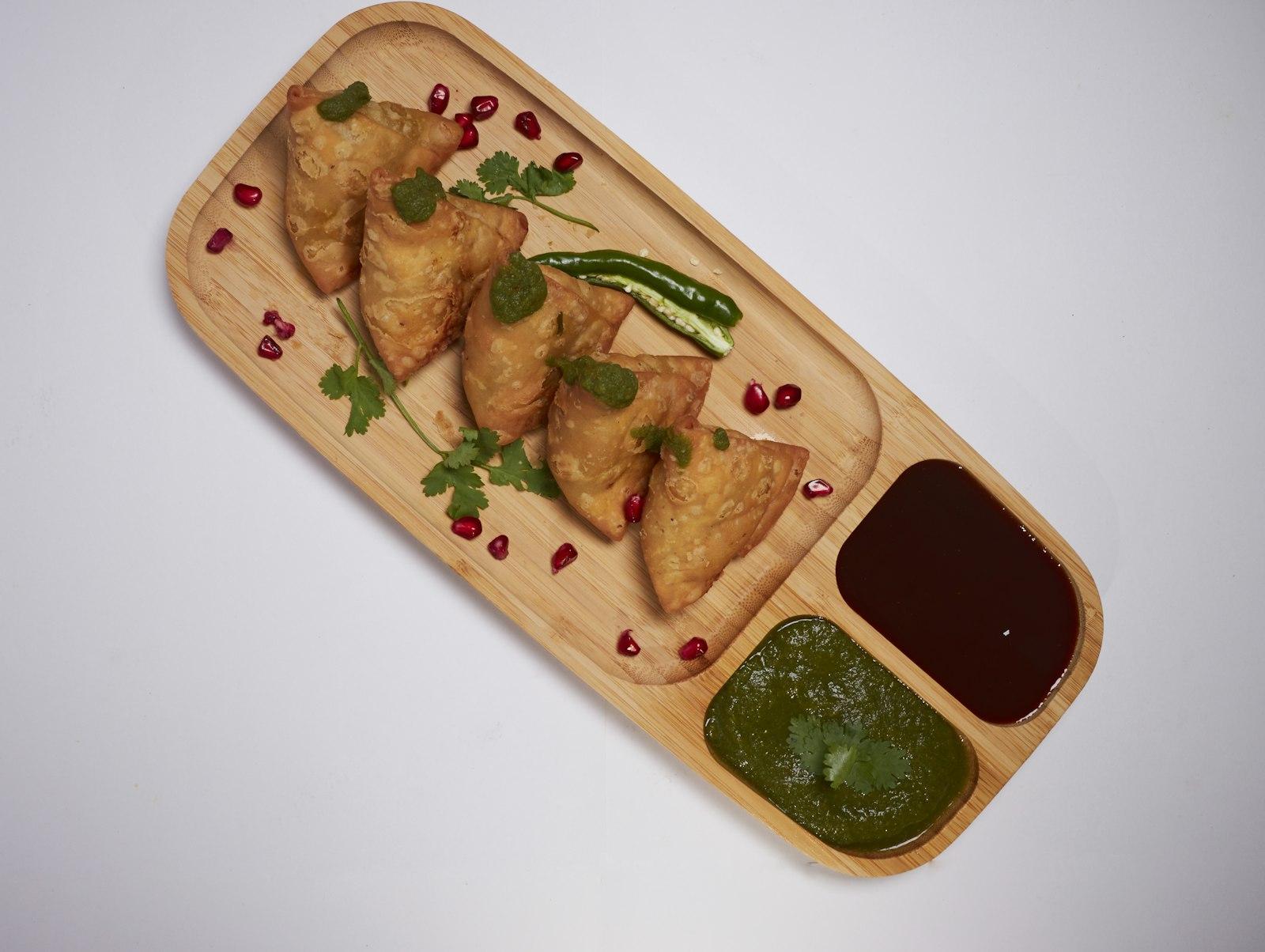
Indian street food is a way the country shows itself off. From handcarts in narrow lanes to stalls that have been running for three generations, every city has its own canon of must-try snacks.
Mumbai: The Street Food Capital
Mumbai might have the best street food scene in the country. A city that moves fast needs food it can hand you in 30 seconds, and that's exactly what it does.
**Vada Pav (₹15-30):** Mumbai's answer to the burger. A spiced potato fritter inside a soft bun with chutneys. Ashok Vada Pav near Kirti College and the stalls around Dadar station are the ones locals point to. The balance of crisp vada, soft pav, and three chutneys is what makes it work.
**Pav Bhaji (₹80-150):** Mashed vegetables cooked down with spices and served with buttered pav. Sardar Pav Bhaji in Tardeo has been making it since 1968. The butter quantity is part of the legend. Cannon does a cheese version if you want something newer.
**Pani Puri (₹30-50):** Mumbai's version uses smaller puris and tangier water than what you'll get in the north. Elco Market in Bandra has the best stalls. Watch how the vendor fills each puri, then take the whole thing in one bite. That's how it's done.
**Sev Puri and Bhel Puri (₹40-80):** Two Mumbai chaat staples. Sev puri uses crisp puris topped with potatoes, chutneys, and sev. Bhel puri is puffed rice tossed with vegetables and chutneys. Chowpatty Beach in the evenings is where to eat them.
Delhi: Chaat and Kebab Paradise
Delhi's street food leans bold. Big portions, heavy spices, and flavours pulled from across the north. Mughlai cooking sits next to Punjabi staples.
**Chole Bhature (₹80-120):** A heavy breakfast of spiced chickpea curry served with fluffy fried bread. Sita Ram Diwan Chand in Paharganj has been making it since 1950 and gets the recommendation most often. Come hungry, one plate is a meal. The bhature land crisp outside and soft inside.
**Paranthas at Paranthe Wali Gali (₹50-100):** A narrow Old Delhi lane that's been frying stuffed paranthas for over a century. Pick from dozens of fillings. Pandit Gaya Prasad Shiv Charan has been there since 1872. Sweet lassi and pickle on the side.
**Kebabs in Old Delhi (₹150-300):** The lanes around Jama Masjid are kebab country. Seekh, shami, and boti kebabs at Karim's or Aslam Chicken. The smoke from the charcoal grills is half the flavour.
**Tikki and Aloo Chaat (₹40-70):** Aloo tikki with chickpea curry at Bitto Tikki Wala in Civil Lines is the one to seek out. For broader chaat, Bengali Market has vendors doing papdi chaat, dahi bhalla, and aloo tikki with the sweet-sour-spicy balance properly dialled in.
Bangalore: South Indian Delights with Modern Twists
Bangalore's street food reflects Karnataka's traditions while picking up bits from the rest of the country it has imported.
**Masala Dosa (₹40-80):** Not strictly street food, but plenty of roadside stalls turn out excellent crisp dosas. The VV Puram Food Street version is the famous one. Watch the cooks work a wide griddle and produce one perfectly even dosa after another.
**Bisi Bele Bath (₹30-60):** A Karnataka one-pot of rice, lentils, vegetables, and a regional spice mix. Vendors near Lalbagh and Malleswaram serve the real thing on banana-leaf plates.
**Congress Bun (₹25-40):** A Bangalore original. Sweet bun, crisp outside, soft inside. Old Iyengar bakeries do it best. Pairs with filter coffee.
**Gobi Manchurian (₹60-100):** Indo-Chinese, and it is everywhere in Bangalore. Crisp cauliflower florets tossed in a sticky spicy-sour sauce. Shivaji Nagar and Commercial Street have a stall every few metres.
Jaipur: Royal Flavors Meet Street Culture
Jaipur's street food carries the influence of the city's royal kitchens. Rich, layered with spices, and made the same way for generations.
**Pyaaz Kachori (₹30-50):** The city's signature street snack. A deep-fried pastry stuffed with a spicy onion filling. Rawat Mishtan Bhandar does the best version, served with a tangy tamarind chutney. Come early. They sell out.
**Dal Baati Churma (₹120-180):** Traditionally a home dish but plenty of vendors near Hawa Mahal cook it well. Baked wheat balls served with dal and sweet crumbled churma. The smoky flavour from properly cooked baati is hard to fake.
**Mirchi Vada (₹40-60):** Big green chillies stuffed with spiced potato, dipped in gram flour batter, and deep-fried. Try Lakshmi Misthan Bhandar or the stalls along MI Road. Looks much spicier than it tastes.
**Ghewar (₹100-200):** A honeycombed disc of fried batter soaked in sugar syrup. A Jaipur classic, especially around festivals. Johari Bazaar sells plain, mawa, and rabri-topped versions.
Kolkata: Sweets and Savories Paradise
Kolkata's street food draws from Bengali cooking and a long colonial history. The combinations you find here exist nowhere else.
**Kathi Rolls (₹60-150):** Invented in Kolkata. A paratha rolled around kebab, egg, or paneer with onions and chutneys. Nizam's and Kusum Rolls on Park Street are the names. The flaky paratha is what carries it.
**Phuchka (₹30-60):** Kolkata's pani puri. The water uses tamarind instead of mint, which makes it sweeter and tangier. Vivekananda Park and College Street have the better stalls. The filling often includes chickpeas with the potato.
**Jhal Muri (₹20-40):** Puffed rice mixed with mustard oil, onion, chilli, peanut, and chanachur. The evening snack. Best eaten at a tea stall while the sun goes down over Victoria Memorial.
Food Safety Tips for Street Food
**Pick busy stalls.** Turnover means the food is fresh. Stalls full of locals are usually a safer bet. Skip anything that has flies or looks unclean.
**Watch them cook it.** Eat where you can see the food being made. Avoid items that have been sitting for hours. Hot food, cooked in front of you, is the safer category.
**Start gently.** If you're not used to Indian street food, stick to cooked items at first and skip the raw vegetables. Your stomach needs a few days to adjust. Carry something for indigestion just in case.
**Bottled water only.** Avoid ice in drinks unless the place is reputable.
**Clean hands.** Carry sanitiser. You'll mostly be eating with your fingers.
Best Times to Explore Street Food
**Breakfast (7-10 AM):** The right time for paranthas, dosas, kachoris, and other morning items. Food is fresh and queues are short.
**Evening (5-9 PM):** The peak window. Most stalls are open, the weather has cooled, and chaat vendors, juice stalls, and snack carts are at their busiest.
**Late Night (10 PM-2 AM):** Many cities have late-night food clusters. Mohammad Ali Road in Mumbai, Hudson Lane in Delhi, VV Puram in Bangalore. Good for after a night out.
Budget Planning
Street food is cheap. Budget ₹200 to ₹400 per person for a tour that hits multiple items. Even the famous spots top out at ₹500 to ₹800, which is still much less than a sit-down restaurant. Carry cash. Most vendors won't take cards.
Essential Etiquette
**Respect the queue.** It may not look like a line, but locals know who's next. **Bargaining:** prices are already low and usually fixed. Don't haggle. **Tipping:** not expected, but ₹10 to ₹20 for good service is appreciated. **Photos:** ask before photographing vendors or their stalls.
Street food is one of the more direct routes into local culture. Every city tells its story through flavours passed down for generations. A hot pani puri on a busy corner, the smell of kebabs over charcoal, sweet milky chai after a spicy chaat. These are the memories that stay.