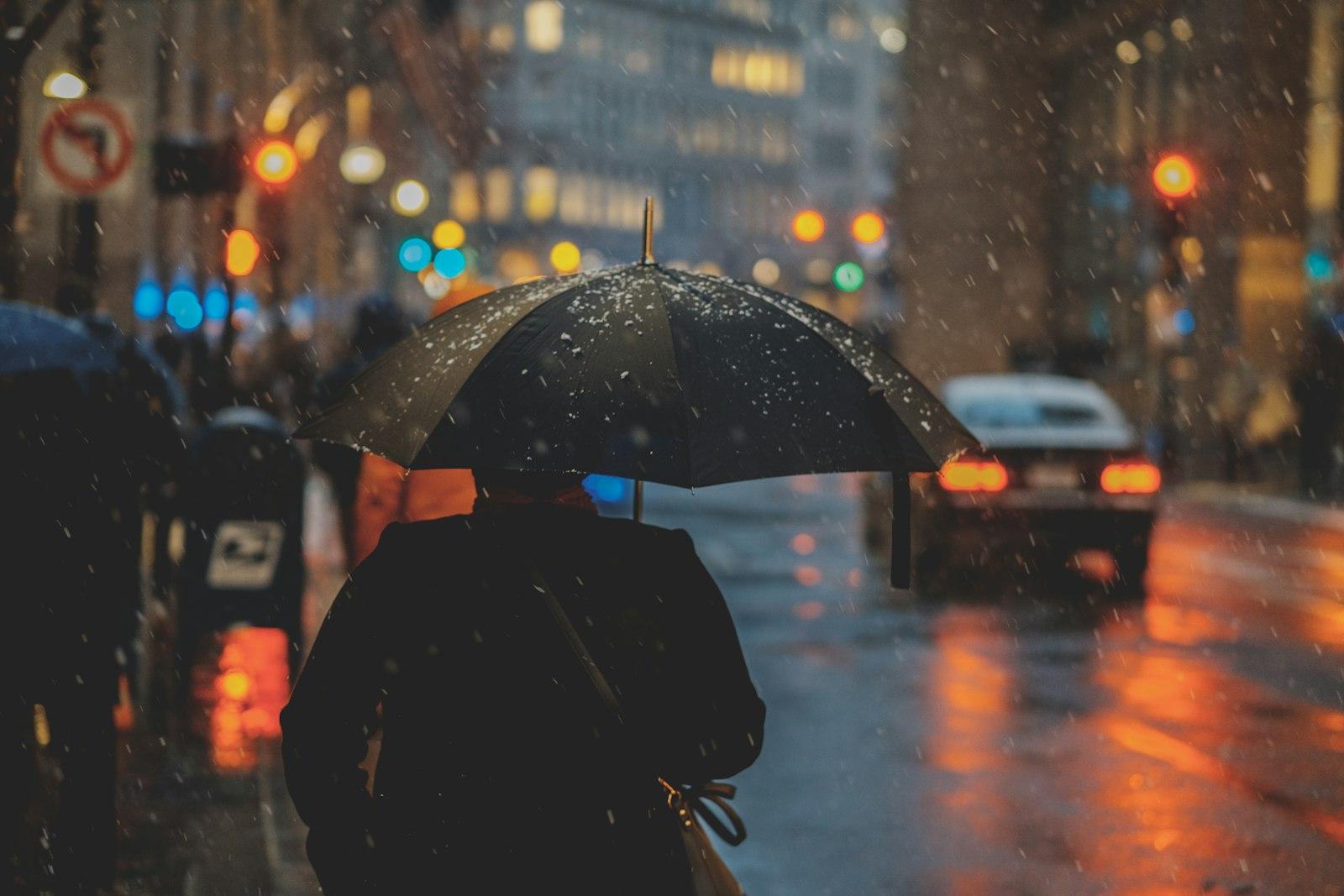
India's monsoon runs June through September and turns the country green. A lot of travellers avoid the rain, which is exactly why those who don't end up seeing a different India. Quieter, dramatically beautiful, culturally rich, and noticeably cheaper. Monsoon isn't just weather here. It shows up in poetry, music, festivals, and the food. This guide covers how to do monsoon across India's main cities, what to expect, how to prepare, and why the off-season is sometimes the best time to come.
Why Travel India During Monsoon? The Unexpected Advantages
**The landscape changes completely.** Hills go emerald, waterfalls run hard, lakes fill, flowers come up everywhere. The Western Ghats running through the Mumbai, Goa, and Bangalore regions are at their best. Mist on the hills, cascades, dense forest. The kind of scenery that doesn't usually fit on a postcard.
**Fewer people, lower prices.** Tourist numbers drop 50 to 70 percent. You'll have monuments, beaches, and attractions practically to yourself. Hotel rates fall 30 to 60 percent off peak. Flights and trains are easier to book. Restaurants are calmer and service is more attentive. For budget travellers, monsoon is the best value of the year.
**Cultural depth.** Monsoon matters culturally in India. It's the season of festivals, of agricultural renewal, of the music and writing the rains inspire. Teej in Rajasthan, Onam preparations in Kerala (outside the cities we're covering), monsoon music concerts, dance performances, ritual events. Street food picks up its own specialties too: pakoras, bhutta, spicy soups, and masala chai all taste different with rain on the roof.
**Better temperatures.** After the brutal summer of March to May, monsoon is a relief. Temperatures sit around 25 to 30°C. The rain cools things off, sightseeing isn't a sweat-through-your-shirt experience the way 40°C summer is. Early mornings and the lull after a shower are some of the best moments of the year.
**Photography.** Monsoon gives photographers dramatic clouds, rainbows, mist on the hills, wet streets reflecting neon, and moody atmosphere. The light is soft and diffused, which suits most subjects. Fewer tourists means cleaner foregrounds at the monuments.
Mumbai: Where Monsoon is a Celebration
**Peak Monsoon: June-September (Heaviest: July-August)**
Mumbai treats monsoon as something close to a holiday. The first rains arrive after weeks of summer heat and the city visibly relaxes. Mumbaikars head to Marine Drive to watch the waves break over the promenade, eat hot vada pav and bhutta from street carts, and drink masala chai at Irani cafes while the rain comes down.
**What to do.** Marine Drive at high tide, when the waves crash over the sea wall (stay back, it gets dramatic). The Gateway of India sits well against monsoon skies. Bandra's Bandstand sees big waves too. The Art Deco buildings look better rain-washed than dry. Visit Elephanta Caves if you can (the ferry can cancel in rough seas). For food, the monsoon means pakoras, bhajiyas, and samosas taste better than at any other time of year.
**Downsides.** Mumbai's drainage doesn't cope well with heavy rain. Expect waterlogged streets, traffic delays, and occasional train disruptions. Avoid low-lying areas during the heavy showers. The city doesn't shut down, Mumbai never really does, but plan extra travel time. Footwear gets wet, so waterproof sandals are essential.
**Practical tips.** Stay in higher areas, not on the ground floor. Book a hotel near a train station to minimise walking in rain. Carry extra clothes and plastic bags for electronics. Apps like Mumbai Rains and Mumbai Traffic help track waterlogging. The challenges are real, but monsoon Mumbai has an energy you don't get the rest of the year.
Goa: Lush, Green, and Peacefully Beautiful
**Peak Monsoon: June-September**
Monsoon Goa is a different place from peak-season party Goa, and arguably the better one. Empty beaches, the Western Ghats fully green, waterfalls everywhere, and Portuguese architecture against dramatic skies. Many beach shacks close and water sports shut down, but a quieter, more authentic Goa shows up underneath.
**What to do.** Dudhsagar Waterfalls at full flow is the headline (best June to August). The Spice Plantations are at their most fragrant after rain. Old Goa's churches sit beautifully against monsoon skies. Fontainhas with its rain-washed colours is a photographer's afternoon. Explore the inland villages, paddy fields, and forest trails. Local festivals and church feasts continue and are less touristy than in winter.
**Beach activities.** Swimming is risky in monsoon, the currents are strong and most beaches show red flags. Walking on the beach is peaceful and beautiful. Watching the waves come in is meditative. Palolem and Agonda remain relatively safe for careful wading.
**Accommodation.** A lot of beach places close June to September, which means the ones still open are offering 40 to 60 percent off peak prices. Pick something inland, away from the coast. It's more comfortable and less humid. Homestays serve genuinely good monsoon Goan cooking.
**Food.** Monsoon is the season for certain types of fish. Try traditional dishes like khatkhatem (mixed vegetable curry), alle-belle (savoury rice pancakes), and whatever the fresh catch is. Goan bakeries do hot pão that goes perfectly with chai on a wet morning.
Bangalore: Mist, Gardens, and Perfect Weather
**Peak Monsoon: June-September (Moderate compared to coastal cities)**
Bangalore's monsoon is gentler than the coast. Expect drizzles rather than the kind of downpours Mumbai gets. The Garden City actually earns the name in monsoon, with the parks, gardens, and tree-lined streets at their greenest. The weather is genuinely good: cool, misty mornings, an occasional afternoon shower, and pleasant evenings.
**What to do.** Lalbagh is at its best in monsoon, flowers blooming, lawns properly green, mist in the mornings. Cubbon Park's tree canopies give you natural cover. Nandi Hills 60 km out becomes spectacular, mist-covered valleys and clouds below the viewpoints. The lakes around the city fill up. Cafe culture is built for this season, coffee while the rain runs down the window is one of the most reliable Bangalore experiences.
**Practical side.** Bangalore handles monsoon better than most Indian cities. Minimal flooding compared to Mumbai or Delhi. The metro and buses run normally. Roads can develop potholes after heavy rain. The weather is good enough that you'll end up outside more than you planned.
**Monsoon activities.** Join locals at Brahmin's Coffee Bar for filter coffee and a dose on a rainy morning. The microbreweries are made for wet evenings. Hit the weekend farmers markets. Take a day trip to Coorg or Chikmagalur (1.5 to 3 hours) for the full monsoon green.
Delhi: Unpredictable but Refreshing
**Peak Monsoon: July-September (Erratic—can have dry spells between heavy rain)**
Delhi's monsoon is erratic and less intense than what coastal cities get. Sudden heavy showers can give way to days of humidity without rain. When it does rain properly, the burnt-out summer landscape changes overnight, the monuments look washed clean, and the heat finally breaks.
**What to do.** Mughal monuments like Humayun's Tomb and Red Fort look their best in monsoon with dramatic cloud cover behind them. Lodhi Gardens and the other parks go green. The Yamuna swells (it's polluted, but the change is noticeable). The food scene leans into the weather, pakora stalls appear on every street, samosas come out hot, the chai never stops.
**Downsides.** Delhi's drainage is poor and waterlogging is common after heavy rain. Traffic becomes a nightmare during showers. The humidity between rain spells is uncomfortable. Mosquitoes pick up, carry repellent. Some roads become genuinely difficult.
**Strategy.** Lean on the Delhi Metro, it's air-conditioned and monsoon-proof. Save indoor plans for rainy days: museums like the National Museum and Crafts Museum, covered markets like Dilli Haat, and the covered parts of the Jama Masjid complex. Book a hotel near a metro station. India Gate on a monsoon evening, watching locals enjoy the weather, is one of the most authentic Delhi experiences you'll find.
Jaipur: Desert City's Brief Green Season
**Peak Monsoon: July-August (Short and light compared to other cities)**
Jaipur sits in Rajasthan's semi-arid zone and doesn't get heavy monsoon, but what does fall transforms the Pink City. The Aravalli hills turn green, lakes fill up, and the desert landscape briefly blooms. The 45°C summer heat drops to a comfortable 28 to 32°C.
**What to do.** Jal Mahal looks stunning when Man Sagar Lake fills up in monsoon and just after. The forts (Amber, Nahargarh, Jaigarh) have dramatic monsoon skies behind them. The gardens and step-wells fill with water. The countryside around Jaipur briefly goes green, good for short drives.
**Festivals.** Teej in July or August is a monsoon festival. Women dress in green and pink, swing on decorated swings, and sing traditional songs. Colourful, authentic, very photogenic. Gangaur usually lands around the same time.
**Practical side.** Jaipur's monsoon is manageable, rarely heavy enough to disrupt plans. The city doesn't flood the way coastal cities do. Monsoon may actually be the best time to visit, comfortable weather, fewer tourists, green surroundings, and hotel deals. The brief rains cool things off without being inconvenient.
Essential Monsoon Packing List
**Footwear matters most.** Waterproof sandals or flip-flops that handle being wet and dry quickly. Crocs or similar rubber shoes are ideal. Avoid leather shoes and canvas sneakers. Bring an extra pair, your primary footwear will be wet most of the time.
**Clothing.** Quick-dry fabrics, synthetic blends dry faster than cotton. Darker colours hide water marks better than light ones. Skip white, it doesn't survive splashing mud. Bring more clothes than usual, laundry takes longer to dry. Light, breathable fabrics for humidity. Long pants for mosquito protection in the evenings.
**Rain protection.** A light packable rain jacket or poncho beats an umbrella in heavy rain. Waterproof backpack cover or dry bags for electronics. Ziplock bags for phone, wallet, and documents. A small travel umbrella for lighter showers.
**Health and hygiene.** Mosquito repellent (DEET-based, 30 percent or higher). Hand sanitiser, used often. Anti-diarrheal medication, monsoon increases water-borne illness. Oral rehydration salts. Basic first-aid kit. Prescription medications in waterproof containers.
**Electronics.** A waterproof phone case or plastic bags. A fully charged power bank in case of power cuts. A camera rain cover if you're serious about photography. Silica gel packets to keep moisture out of gear.
Health and Safety During Monsoon
**Water-borne illness.** Cholera, typhoid, and gastroenteritis risk goes up in monsoon. Drink only bottled water and check the seal. Avoid ice unless the source is certain. For street food, busy stalls with high turnover, skip raw vegetables, stick to hot freshly cooked items.
**Mosquito-borne illness.** Dengue and malaria risk both rise in monsoon. Use repellent constantly, reapply every three to four hours. Long sleeves and pants at dawn and dusk, the peak mosquito hours. Sleep under a net if the room isn't well screened. Consider antimalarial prophylaxis if you're heading into rural areas.
**Flooding.** Don't walk through flooded streets, you can't see open manholes, debris, or current strength. Avoid waterlogged areas. Don't drive through deep water. Watch local news and weather apps. Hotels on higher ground are safer than ground-floor places near water.
**Fungal infections.** Wet feet and humidity create the conditions. Keep feet dry when you can. Change wet socks immediately. Use antifungal powder. Let shoes dry fully between wears, hence the multiple pairs. Shower daily and dry properly.
Monsoon Food Experiences
**Street food in monsoon.** Indians have specific cravings in the rain. Pakoras with green chutney and masala chai is the quintessential combo, every corner has fresh hot pakoras during a shower. Bhutta (roasted corn) rubbed with lime and spices, sold by carts everywhere. Samosas taste better in monsoon. Hot jalebis with rabri. Vada pav becomes even more popular in Mumbai.
**Regional monsoon dishes.** Each region has its own. Mumbai: bhaji-pav, misal pav, hot soups. Goa: khatkhatem, sannas, fish curry with the fresh catch. Bangalore: bisi bele bath, hot filter coffee, pakodas. Delhi: paranthas with pickle and chai, momos in the rain. Jaipur: dal baati churma, mirchi vada, kachoris.
**Cafes.** Monsoon is when India's growing cafe culture comes into its own. Rainy afternoons with a book, a laptop, or a conversation. Bangalore's cafe scene is at its best in monsoon. Hot drinks (masala chai, filter coffee, hot chocolate) and the world getting washed outside.
Budget Considerations: Monsoon Value
**Accommodation savings.** Hotels drop 30 to 60 percent in monsoon. A ₹3,000-a-night hotel can come down to ₹1,500 or ₹2,000. Luxury hotels run sharp deals, four-star properties at three-star prices. Negotiate directly, walk-in rates often beat online rates in monsoon. Beach resorts in Goa offer the steepest discounts.
**Transport.** Flights are cheaper from June through September, expect ₹2,000 to ₹4,000 domestic against ₹5,000 to ₹8,000 in peak season. Trains are easier to book, no Tatkal rush. Cabs and autos don't change prices seasonally.
**Activities.** Entry fees stay the same, but you'll be visiting with 70 percent fewer people. Private tours and guides negotiate better rates. Photography tours, food walks, and cultural experiences feel less rushed.
**Overall.** Monsoon travel runs 40 to 50 percent cheaper than peak season and arguably gives you a better experience. Quieter, more authentic interactions, and the monsoon-specific events you can't catch any other time.
Travel Disruptions to Expect
**Flight delays.** Monsoon causes flight delays and occasional cancellations, especially in Mumbai. Build buffer time between connections. Travel insurance is worth it. Morning flights tend to be more reliable than evening ones. Check the forecast and airline updates.
**Train delays.** Trains run late during heavy rain, particularly on routes through flood-prone areas. The Mumbai local network occasionally disrupts during extreme rain. Long-distance trains are usually reliable but can run two to four hours late.
**Road travel.** Waterlogging, traffic, and reduced visibility add 50 to 100 percent to road travel time. Budget extra time for airport and station runs. Some rural roads become impassable. City traffic slows down during rain.
**Closures.** Some attractions close during heavy rain (outdoor sites, beaches under red flags, trekking routes). Waterfalls are more spectacular but the trails get slippery. Check ahead if you're travelling far for a specific spot.
Making the Most of Monsoon Travel
**Stay flexible.** Monsoon travel needs a flexible mindset. Plans change with the weather. Build extra days into the itinerary. Keep indoor backups ready. You will get wet, that's part of it.
**Timing within the season.** Early monsoon (June) brings the first heavy rains and the worst flooding. Mid-monsoon (July to August) settles into a rhythm, regular rain with clear breaks. Late monsoon (September) tapers off, less intense but still regular showers.
**Local knowledge.** Ask locals about waterlogging spots, safer routes, and timing patterns. Many places have predictable afternoon showers. Locals know which street vendors maintain hygiene in monsoon. Hotel staff can usually point you to monsoon-specific things to do.
**Photography opportunities.** Golden hour after the rain is exceptional, 20 to 30 minutes of clean light. Puddles give you reflections. Monsoon clouds give you sky. Rain-washed monuments look brighter and cleaner. Bring a lens cloth and rain protection.
Monsoon isn't an obstacle to travelling India, it's an experience. You'll get wet, plans will shift, logistics get harder. But you'll see India at its most beautiful and least crowded. Petrichor, locals celebrating the rains, green landscapes, monsoon festivals, the seasonal food, the dramatic skies. None of this is available to peak-season travellers. Pack smart, stay flexible, and you'll understand why Indians celebrate the monsoon in poetry, music, and art.