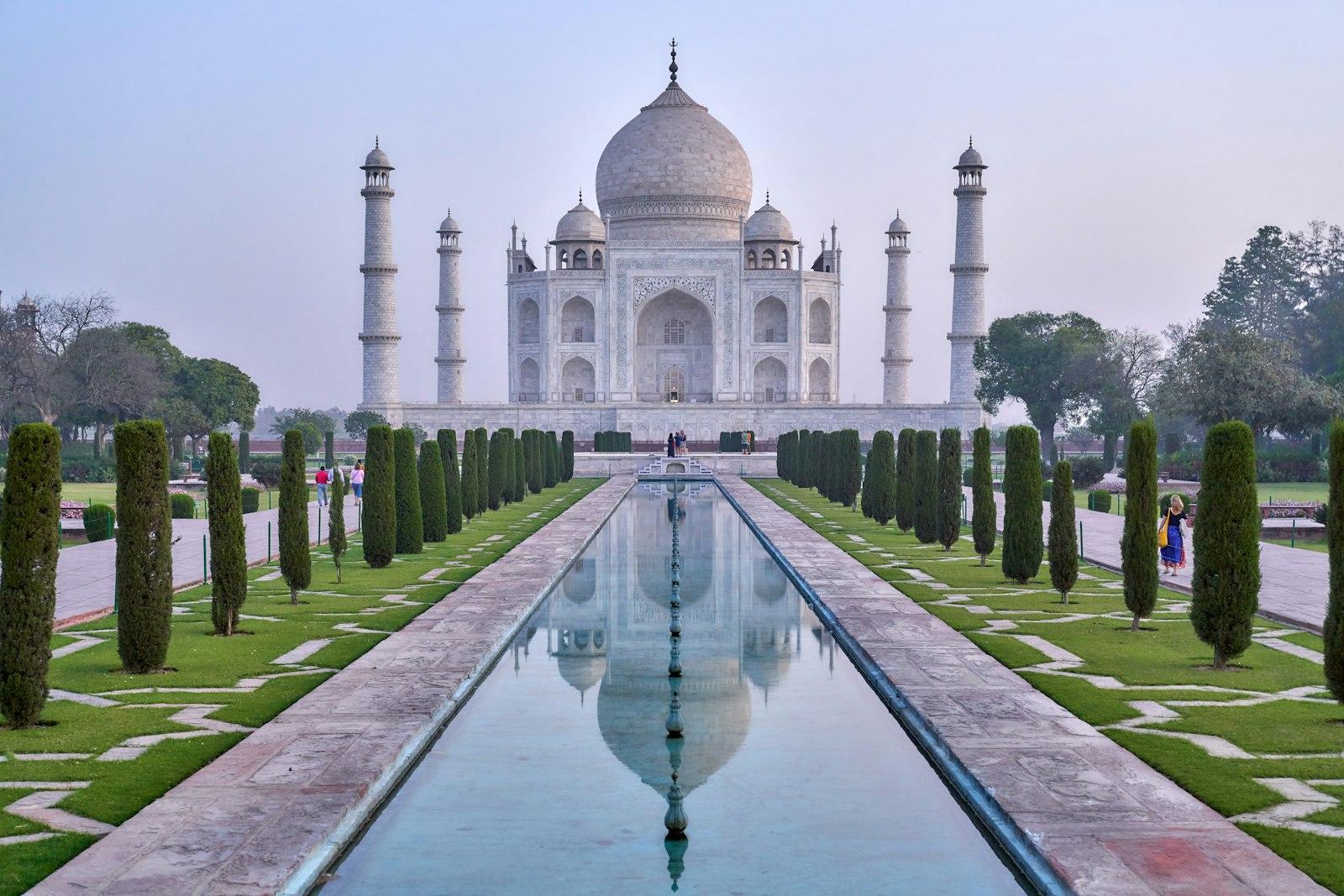
India can be a deeply rewarding place to travel solo as a woman. Rich culture, varied landscapes, spiritual depth, generous hospitality. It also comes with challenges that need awareness and some planning. This guide combines safety advice with practical strategy across India's major cities, from picking a safer hotel to handling unwanted attention, from how to dress to where to find female travel communities.
The Reality: Honest Talk About Solo Female Travel in India
Straight up: India has both. Some parts are welcoming and easy, others need more caution. Cultural attitudes toward women shift by region, by urban or rural setting, and by who's around. The major cities (Mumbai, Delhi, Bangalore, Jaipur, Goa) are generally safer and more used to solo female travellers than rural areas. Thousands of women travel India solo each year and come away with strong, positive experiences. What works is preparation, awareness, and the confidence to navigate cultural quirks.
**What to expect.** Staring is common, mostly curiosity rather than threat, especially outside the tourist trail. Unwanted attention happens but it is manageable using the strategies in this guide. Most Indians are genuinely helpful and tend to look out for women travelling alone. Some places have gender segregation (women's train compartments, ladies' queues). You will probably get more questions and interaction than a male traveller would. English varies a lot from place to place. The whole experience can swing between intense, overwhelming, beautiful, frustrating, and magical, sometimes inside a single day.
City-by-City Safety Overview
**Mumbai - relatively safe with standard urban caution.** Mumbai is one of the easier cities in India for solo female travellers. A cosmopolitan culture, late-night activity, and mixed-gender public spaces all help. Colaba, Fort, Bandra, and Andheri are fine for daytime walking. Marine Drive and Bandra Bandstand are generally safe in the evening with the regular foot traffic. The ladies' compartment on the local trains is a good way to meet women and travel safely. Avoid quiet beaches after dark and empty streets late at night. Use Uber or Ola at night rather than flagging down taxis. Mumbai locals tend to be helpful, ask women on the street if you need directions.
**Delhi - more vigilance needed.** Delhi has a reputation for safety issues, but millions of women live and travel in the city successfully with the right precautions. Stick to populated areas, especially after dark. Connaught Place, Khan Market, Hauz Khas Village, and the Select Citywalk area are safe during the day. Avoid isolated parts of Old Delhi after sunset. Use app cabs at night, never flag a random auto. The Delhi Metro is safe and has women's coaches (first coach in the direction of travel). Paharganj, the budget hotel zone, can feel overwhelming. Consider staying in Hauz Khas or close to a metro station instead. If something feels off, Indian families at restaurants or hotels are reliable to approach.
**Bangalore - progressive and generally safe.** Bangalore's cosmopolitan culture, tech industry, and educated population make for a relatively safe environment. Indiranagar, Koramangala, MG Road, and Whitefield are fine. The cafe culture means solo women are a normal sight. Public transport including the metro and buses is generally safe, with reserved seats for women. Evening walks in commercial areas are usually no problem. Avoid empty parks and isolated stretches after dark. Locals are used to working women being out independently, which cuts down unwanted attention. Standard caution still applies for transport and nightlife.
**Jaipur - tourist-friendly but traditional.** Jaipur sees a lot of solo female travellers on the tourist circuit. City Palace, Hawa Mahal, and Amber Fort are fine in daylight. The culture leans more conservative, so dress and behaviour follow accordingly. Shopkeepers and guides can be persistent but rarely threatening. Stick to the main tourist zones and don't wander into non-tourist neighbourhoods alone after dark. Other travellers' hotel recommendations are worth checking, Jaipur has many properties that look out for solo women. Auto drivers can push hard for commissions, use metered rides or fix the price first. Joining a group tour for day trips is a good way to feel safer and meet other people.
**Goa - mostly safe, with beach-specific caveats.** Goa is generally safe and popular with solo female travellers. Beach culture, international tourism, and a relaxed pace help. North Goa (Anjuna, Arambol, Vagator) has strong backpacker communities and plenty of solo women around. South Goa (Palolem, Agonda) is quieter and more family-oriented. Beaches at night are the main risk, avoid isolated beach walks after dark, especially around drinking. The party scene (Tito's, Shiva Valley, beach parties) takes standard nightlife sense: watch your drink, travel with people, use trusted transport home. Scooters are great for exploring, just lock the helmet and bag properly.
Accommodation: Choosing Safe Places to Stay
**Women-only hostels and female dorms.** A lot of cities now have women-only hostels or female dorm rooms. Safer to sleep in, easier to meet other solo travellers. Reliable chains include Zostel (female dorms available), goStops, and Moustache. Read recent reviews, focus on safety and cleanliness. Look for 24-hour reception, secure entry, and at least some female staff.
**Choosing a hotel.** Pick something in a busy area near a metro station or main market. Check reviews that specifically mention solo female experiences. Make sure the room has a deadbolt or chain, and ideally window locks. Avoid ground-floor rooms if possible. Second or third floor strikes the right balance between security and exit access. Confirm 24-hour reception. Ask whether they have female floor staff. Family-run boutique hotels and homestays tend to be safer and more attentive than large impersonal ones.
**Homestays.** Staying with local families via Airbnb, Couchsurfing (with careful vetting), or dedicated homestay platforms offers both cultural depth and the safety of local knowledge. Only book hosts with consistent positive reviews from solo female guests. Video call the host before confirming if you can. Trust your instincts, cancel if something feels off. Many homestays serve meals, which cuts down on going out alone at night. Female hosts or families with women in them are generally the safer choice.
Transportation Safety Strategies
**App-based rides (Uber, Ola).** Always pick an app cab over a random taxi or auto, especially at night. The apps give you GPS tracking, driver details, and accountability. Share the trip via the app's share-ride feature. Sit in the back, not the front. Check that the licence plate and driver photo match before you get in. Keep your phone charged and data active. If the driver makes you uncomfortable, end the ride at a public place and report through the app. Evening and night rides are ideally shared with another person when you can.
**Trains and ladies' compartments.** Indian trains have women-only compartments (usually the first or last coach). They're a good way to meet local women and travel more securely. Second AC and Sleeper are both fine for overnight journeys. Book lower berths for easier access. Keep valuables inside locked bags and chain the bag to the berth at night. Middle berths offer privacy if you don't want the upper or lower. Indian mothers and grandmothers in ladies' compartments tend to take quiet care of solo female travellers.
**Metro systems.** Delhi, Mumbai, Bangalore, and Jaipur all have metros, and all have women's coaches (usually the first coach in the direction of travel, marked with pink signs). Safe, air-conditioned, and faster than the traffic above. Travel during daylight when you can. Keep bags in front and your phone secure. Stations are generally well lit and patrolled. A stored-value card saves you the ticket queue.
**Walking and street awareness.** Walk like you know where you're going. Looking lost makes you a target for scammers and worse. Use offline Google Maps so you don't have to keep checking your phone. Don't display the phone in crowded areas, pickpockets are real. Walk against traffic so you can see vehicles coming, Indian sidewalks are unreliable. Dress modestly to draw less attention. Avoid dark, empty streets, take a longer populated route instead. In daylight, walking the tourist areas is fine and often the best way to see the place.
Dress Code & Cultural Sensitivity
**What to wear in the cities.** Modesty cuts unwanted attention substantially. Knee-length or longer skirts and dresses. Avoid deep necklines. Keep shoulders covered, sleeveless is fine in Goa beach areas but less so in Delhi markets. Loose clothes are both cooler and more modest. Tunics or kurtas with leggings are the workhorse outfit, comfortable, modest, and locally appropriate. A scarf is the most useful item you'll pack, cover your head at religious sites, your shoulders in conservative areas, or use it as a shawl. Avoid tight or transparent clothing. Indian culture doesn't favour the braless look. In Goa, Western beach attire is fine on the beach, cover up when you leave.
**Packing essentials.** Loose pants (palazzo or harem styles blend in), long skirts, cotton tunics, a large shawl or scarf, comfortable walking shoes that aren't flashy. Skip shorts in non-beach cities, tank tops in conservative areas, expensive-looking jewellery (it marks you as a target), and anything revealing for temple visits. Religious sites: cover your head at temples, mosques, and gurudwaras, remove shoes, cover shoulders and knees. Many travellers buy local clothes (kurtas, salwar kameez) after arriving. Cheap, appropriate, and you fit in better.
Dealing with Unwanted Attention & Harassment
**Staring is constant.** It's everywhere in India, especially outside the tourist zones. Most of it is curiosity rather than threat. You look different, you dress differently, and many Indians have never travelled abroad. What helps: sunglasses let you avoid eye contact without seeming rude. Headphones, with or without music, signal you're occupied. Walking with purpose reduces the targeting. A short, firm stare back, then look away, often does the job. Smiling can either end the interaction or invite more, judge the situation.
**Verbal harassment.** Comments, 'hello beautiful', whistling, or rude questions do happen, especially in the north. Don't engage. Silence is usually the best response. A firm 'No' or 'Nahi' (Hindi) and walk on. Saying 'I'm meeting my husband' can deflect attention, a fake wedding ring helps. If someone follows you persistently, step into a shop or approach female shopkeepers or families. A loud, firm 'Leave me alone' or 'Chhodo mujhe' in Hindi draws public attention, most harassers retreat at that point. If someone genuinely makes you uncomfortable, get out of the situation immediately.
**Physical boundaries.** Unwanted touching in crowds happens, particularly on buses, trains, and at festivals. There's a judgment call between deliberate and accidental in packed spaces. For deliberate contact: a loud 'Don't touch me' or 'Mat chhuo' shames the harasser publicly. An elbow to the ribs sends a clearer message. Move away immediately. Report it if you can. Prevention: in crowds, keep your bag in front as a barrier, stand near families or groups of women, take the women's coach on trains and metros. If you feel someone deliberately pressing against you, move or make a scene. Indian women around you will often back you up.
**When to ask for help.** Indian families, especially the older women in them, tend to be protective of young women. If you feel threatened, approach a family or an older woman. Police vary. Metro police and tourist police are usually helpful, regular street police can be hit or miss. Hotel staff, restaurant managers, and shop owners are good first calls. Tourist offices in the major cities handle the more serious cases. Emergency number: 112 (the new universal one). Women's helpline: 181 in most states.
Safety Tools & Technology
**Essential apps.** Uber and Ola (tracked transport), Google Maps with offline downloads, Google Translate (Hindi, Tamil, Marathi, Bengali), TrueCaller for identifying unknown numbers, state-level women's safety apps (Himmat in Delhi, Nirbhaya in Kolkata), and WhatsApp, which everyone in India uses. Share your location with someone you trust regularly. Set up international roaming or pick up a local SIM at the airport (₹200 to ₹500 for a tourist plan with data).
**Physical safety items.** Doorstop alarm (₹300 to ₹500, loud alarm if someone forces the door, works in any hotel), a small torch or use your phone (lighting on many streets is poor), a passport photocopy with the original locked in the hotel safe, an emergency contact card in the local language, a small amount of emergency cash kept separate from the main wallet, a power bank (a charged phone is part of safety), water purification tablets or a LifeStraw, and a basic first-aid kit. Note: pepper spray and self-defence tools fall under legal restrictions in India, check the current law before carrying anything.
Nighttime Safety Protocols
**After dark.** Don't walk alone in isolated areas after 9 or 10 PM, use an app cab. If you must walk, pick lit, populated streets. Stick to busy restaurant or cafe zones rather than wandering. Group activities (hostel meetups, walking tours, organised events) put safety in numbers. Tell someone your plan, hostel reception, travel friends, or family via WhatsApp. Don't drink to the point of impaired judgment. If you're going out for nightlife, go with people you trust, don't leave drinks unattended, and have a plan and cab money to get back. Solo dinner at night: pick a busy, well-reviewed place, ideally a hotel restaurant or a known chain, and sit where staff can see you.
**Hotel safety at night.** Use the chain lock or door stopper in addition to the room lock. Keep your phone charged and nearby while sleeping. Know where the emergency exits are. If someone knocks claiming to be staff at an odd hour, call reception to verify before opening. Keep curtains closed at night. If your room location feels unsafe (isolated corridor, accessible ground-floor windows), request a different one. A lot of hotels have female floors or rooms grouped near the elevators or reception for extra security.
Finding Community & Making Friends Safely
**Meeting other travellers.** Hostels are the easiest place to find other solo female travellers. Join the common room, group dinners, pub crawls. Useful Facebook groups include 'Solo Female Travel India', 'Girls Love Travel', 'Backpacking India', and city-specific ones. Meetup.com runs events in the major cities (yoga, language exchanges, hiking). Organised walking tours are a good way to meet people and learn about a place at the same time. Couchsurfing for meetups is fine, vet carefully if you're actually staying. Yoga retreats, cooking classes, and volunteer programmes also work. Women-only tours through outfits like Women on a Mission or Adventures in Good Company are another option.
**Talking to local women.** Many Indian women are curious about foreign visitors and happy to help. Interactions happen naturally at temples, markets, and in ladies' train compartments. Ask local women for recommendations, they know the safer routes, the better street food, and where to shop. College students often want to practise English and are quick to chat, campus areas are good for relaxed interaction. Women's cooperatives, NGO shops, and female-run cafes are good for meaningful cultural exchange. A few Hindi or local-language phrases go a long way.
Health & Wellness Considerations
**Feminine hygiene.** Bring your own tampons or menstrual cup from home. They're limited and expensive in India. Pads are widely available but tampon brands are scarce. Expect irregular periods, travel stress and diet changes can shift the cycle. Dispose of products properly, sanitation infrastructure isn't uniform, carry small bags. Menstrual cups travel well, nothing to dispose of and they last. Public toilets are inconsistent, carry hand sanitiser, tissues, and a small towel. Many bathrooms have a spray or lota instead of toilet paper, learn to use them or carry tissues.
**General health.** Drink bottled water and check the seal. Avoid ice unless you're sure of the water. Eat at busy, popular places, turnover keeps food fresh. Carry Imodium, oral rehydration salts, and basic antibiotics (consult a doctor before the trip). Most travellers go through some digestive adjustment, it's usually just unfamiliar bacteria, not food poisoning. Travel insurance is non-negotiable, make sure it covers medical evacuation. For women specifically, UTI prevention matters. Dehydration, long travel days, and questionable bathrooms all raise the risk. Stay hydrated, don't hold it in, and carry cranberry supplements or antibiotics. Pharmacies are everywhere and many medications are available without a prescription.
Empowerment: Why It's Worth It
For all the challenges, solo female travel in India pays off. Cultural depth, spiritual experiences, varied landscapes, the food, the hospitality, the historical sites, and a kind of personal growth that's hard to describe. Many women come back saying India changed them, that the resilience and adaptability they built carry into the rest of their lives.
**Why it works for so many.** Thousands of women travel India solo each year and come back transformed. Some have started businesses, written books, or built travel blogs off the back of their India trips. Indian women themselves are travelling solo more and more domestically, you'd be joining a growing group. The initial culture shock fades and the country opens up. The pattern is consistent: preparation, confidence, and cultural respect produce safe, rewarding trips. Travelling here also slowly shifts how locals see independent women, and reassures other women that the country is more accessible than it seems.
India is not easy, but it is worth the effort. With preparation, awareness, flexibility, and confidence, solo female travel here is not just possible, it can be one of the best trips of your life. Trust your instincts, take sensible precautions, lean into the chaos, talk to other travellers and locals, and stay open. You are tougher than you think and India has things to offer that you will take home with you.