1. Sabarmati Ashram
Gandhi's former riverside ashram presents his life, ideas and the independence movement in a restrained museum setting.
When: Daily; verify current hours · Entry: Free

Gujarat
India's first UNESCO World Heritage City pairs intricate old-city pols and mosques with Gandhian history, modern architecture, textiles and a celebrated vegetarian food culture.
Ahmedabad is divided not only by the Sabarmati but by urban character. East of the river, the walled city contains pol houses, bird-feeding towers, mosques, markets and layered community life. West Ahmedabad opens into universities, modernist buildings and contemporary business districts. An early heritage walk is the best introduction to the old city, followed by Sabarmati Ashram and a separate appointment-based textile or architecture visit. Adalaj Stepwell lies outside the centre and should be combined with northern stops rather than squeezed into a downtown afternoon. The climate is dry and extremely hot before the monsoon. Winter is ideal; Navratri and Uttarayan add distinctive cultural energy but require advance planning and sensitivity around private neighbourhoods.
Jump to the part that helps now, or read straight through for a practical first-trip plan.
Ahmedabad makes more sense in neighbourhood-sized pieces. Begin with the UNESCO-listed old city, Sabarmati Ashram, stepwells, mosques, museums and riverfront; the useful question is not “how many can I fit?” but “which places belong in the same day?”
Take an early old-city heritage walk, then visit Sidi Saiyyed Mosque and the riverfront. Give Sabarmati Ashram unhurried time; combine Adalaj Stepwell with northern sights.
Treat this as a shortlist, not a race. Pick places that sit naturally together, check current entry arrangements, and keep enough time for the neighbourhood around each stop.
Gandhi's former riverside ashram presents his life, ideas and the independence movement in a restrained museum setting.
When: Daily; verify current hours · Entry: Free
A UNESCO-listed urban fabric of pols, religious buildings, gates and markets best understood on an authorised early-morning heritage walk.
When: Public neighbourhoods; walk schedules vary · Entry: Walking tour may be ticketed
This compact sixteenth-century mosque is celebrated for its carved stone lattice screens. Visit outside prayers and photograph respectfully.
When: Prayer access takes priority · Entry: Free
Ahmedabad's monumental congregational mosque combines Islamic planning with fine local stone craftsmanship in a broad courtyard.
When: Visitor access pauses during prayers · Entry: Free
A richly carved five-storey stepwell north of the city demonstrates how architecture moderated heat and supported travel and community life.
When: Daylight; verify current hours · Entry: Ticketing may apply
An internationally important textile collection with tightly controlled tours and limited capacity. Advance reservation is essential.
When: Advance booking and weekly closures apply · Entry: Confirm when reserving
A finely carved nineteenth-century Jain temple offering a calmer architectural stop north of the old city.
When: Religious schedule applies · Entry: Free
A large historic lakefront adapted as a popular recreation zone for local families, best visited in the cooler evening.
When: Weekly closure or timed access may apply · Entry: Ticketed zone
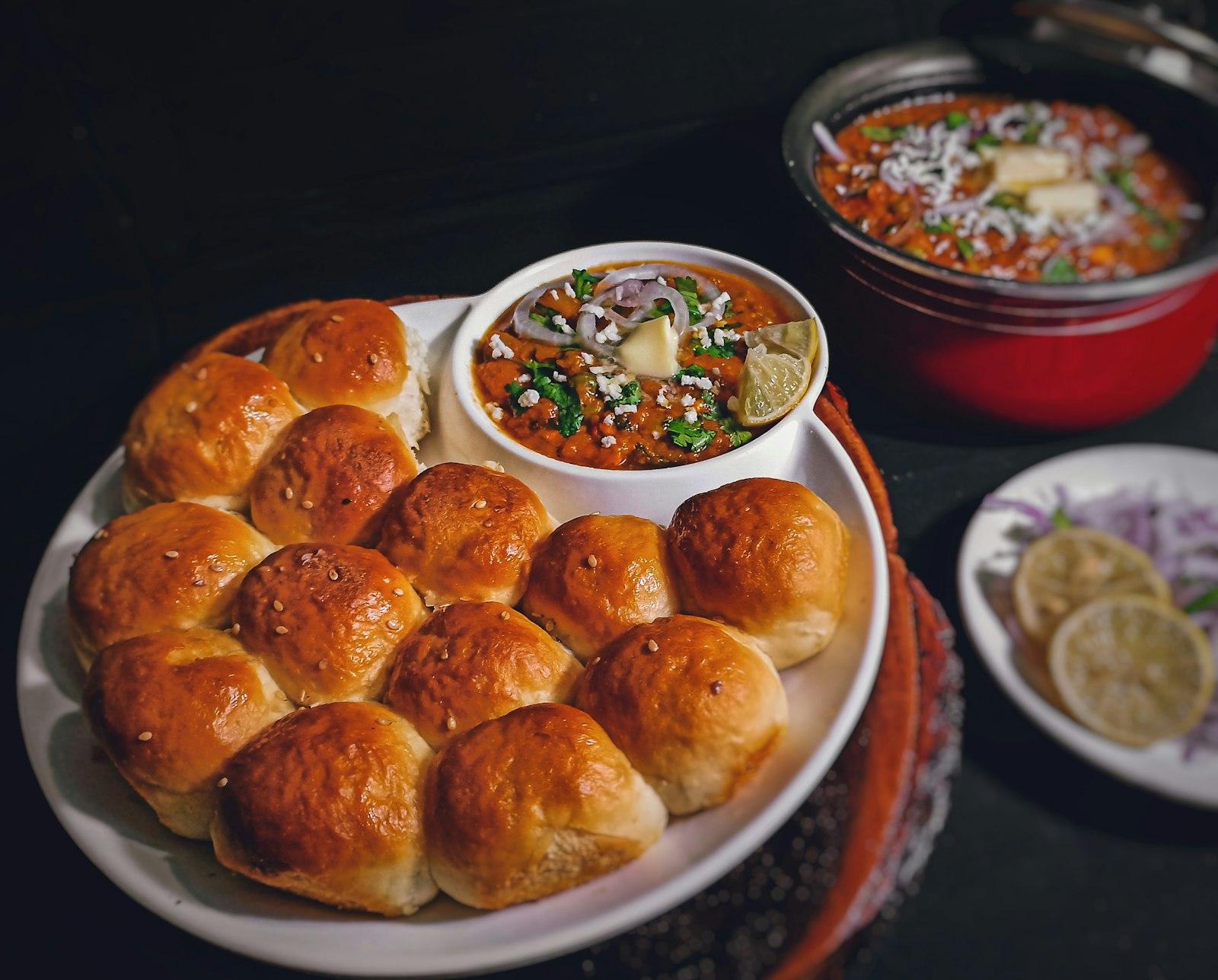
If you only order the most famous dish in Ahmedabad, you will miss the everyday cooking around it. Start with Gujarati thali, khaman, fafda-jalebi, handvo, dal vada and seasonal sweets, follow the rhythm of breakfast and lunch, and choose busy kitchens where food is moving quickly.
A rotating spread of breads, dal, kadhi, vegetables, rice, pickles and sweets balances sweet, sour and savoury flavours.
Good place to begin: Established thali dining rooms
Typical range: ₹250–700
Steamed gram-flour snacks are related but distinct in texture and preparation, served with chutneys and fried chillies.
Good place to begin: Busy farsan shops
Typical range: ₹60–180
Crisp chickpea-flour strips paired with jalebi form a classic festive and weekend breakfast.
Good place to begin: Morning farsan shops
Typical range: ₹100–250
Soft rice-and-lentil khichdi with yoghurt-based kadhi is a comforting, balanced local meal.
Good place to begin: Gujarati dining rooms
Typical range: ₹150–350
Freshly fried lentil fritters with green chillies are especially popular in rainy weather.
Good place to begin: High-turnover snack stalls
Typical range: ₹50–120
The market's evening food identity is famous, but choose individual dishes for quality rather than attempting every novelty.
Good place to begin: Busy established vendors at Manek Chowk
Typical range: ₹100–400
November to February has the most comfortable days for heritage walks. January's Uttarayan kite festival is distinctive but rooftops, traffic and accommodation require planning. March to June is extremely hot. July to September brings monsoon rain and humidity, usually with fewer visitors. Navratri dates in September or October transform evening schedules and demand, making it a rewarding but specialised visit.
The generally comfortable period brings stronger leisure demand and higher prices around holidays, festivals and weekends.
Heat makes early starts, air-conditioned breaks and convenient transport more important than the lowest room rate.
Monsoon conditions can lower some rates but add rain delays, humidity and changes to outdoor access.
Demand can spike sharply on specific dates. Reserve transport and accommodation early, then confirm local access restrictions.
The small decisions make or break a Ahmedabad trip: the side of town you sleep in, the hour you leave and whether Metro and BRTS on suitable corridors, with autos or app cabs between clusters suits that particular journey. Here is the practical version, without pretending traffic and weather always cooperate.
₹1,600–5,500 per person per day (excluding intercity travel)
Ahmedabad can suit several budgets, but accommodation location and private transport make a larger difference than many visitors expect.
A lower room rate is poor value when it creates repeated long journeys. Price the whole day—stay, meals, entry fees and transport—before choosing a base.
Choose accommodation around the experiences that matter most; these areas serve different kinds of Ahmedabad trip.
budget to mid
Atmospheric and close to heritage, but congested.
mid
Practical for the riverfront and business.
mid
Good restaurants and balanced access.
mid to premium
Modern hotels, distant from the historic core.
₹1,600–2,600
₹3,300–5,500
₹8,500+
Two days cover the old city, Sabarmati Ashram and one specialised museum; three allows stepwells and modern architecture.
Vegetarian food dominates many institutions and local specialities, but non-vegetarian restaurants are available in particular districts.
Many lanes are public, but homes and community spaces are private. A responsible heritage walk adds context and prevents intrusion.
Capacity and access are tightly controlled. Treat advance reservation as essential and confirm the current process directly.
Planning to visit more cities? Check out these amazing destinations across India.
State
Gujarat
Top Attractions
8
Best Time
November to February; festivals require advance booking
Budget Range
₹1,600–5,500 per person per day
Last Updated
2026-08-08