Amritsar is both a sacred city and an energetic food town, with the Golden Temple at its heart and difficult history never far away.
Most visits naturally begin at the Golden Temple, but do not treat it as a box to tick. Go once in daylight and, if time allows, return after dark when the marble complex takes on a quieter glow. The community kitchen is part of the experience, whether you eat there or volunteer for a simple task.
Jallianwala Bagh sits close by and asks for a very different mood. Give it proper attention before entering the surrounding market streets. The Partition Museum adds the wider human story and is worth more than a hurried half-hour.
Amritsar is compact around the historic centre. Stay within walking distance if these places are your priority, and treat the Wagah–Attari ceremony as a separate excursion with security and traffic time built in.
What do you need for your trip?
Jump to the part that helps now, or read straight through for a practical first-trip plan.
Amritsar makes more sense in neighbourhood-sized pieces. Begin with the Golden Temple, Jallianwala Bagh, the Partition Museum, old markets and the Attari border; the useful question is not “how many can I fit?” but “which places belong in the same day?”
Give the Golden Temple time in daylight and return after dark if you can. Visit Jallianwala Bagh and the Partition Museum with the attention they deserve; keep Attari–Wagah as a separate excursion.
Places worth making time for
Treat this as a shortlist, not a race. Pick places that sit naturally together, check current entry arrangements, and keep enough time for the neighbourhood around each stop.
1. Golden Temple
The Harmandir Sahib complex welcomes visitors of all backgrounds. Cover your head, wash your feet, leave shoes at the designated counter and move with the flow of worshippers.
When: Open daily; busiest around ceremonies and holidays · Entry: Free
2. Jallianwala Bagh
A memorial to the 1919 massacre. Read the interpretation and allow space for reflection rather than treating the preserved marks as photo props.
When: Daytime and evening; verify · Entry: Free
3. Partition Museum
Personal accounts and objects tell the story of Partition with unusual emotional clarity. It can be heavy, so avoid squeezing it between rushed stops.
When: Check weekly closure · Entry: Ticketed
4. Gobindgarh Fort
A restored fort with exhibits and programmed performances; useful for families, though the presentation is more theatrical than the historic centre.
When: Daily programme varies · Entry: Ticketed
5. Durgiana Temple
A Hindu temple complex built around a sacred pool, close to the railway side of central Amritsar.
When: Daily worship schedule · Entry: Free
6. Ram Bagh Palace and Garden
The summer-palace grounds connect the city with Maharaja Ranjit Singh; check which museum areas are currently open.
When: Verify current access · Entry: Varies
7. Attari–Wagah border ceremony
A highly choreographed daily military ceremony west of the city. Carry minimal belongings and allow generous time for security and traffic.
When: Timing changes seasonally · Entry: Free; transport extra
8. Hall Bazaar
A busy market for textiles, juttis, spices and everyday shopping, reached through the Gandhi Gate.
When: Individual shop hours · Entry: Free
What to eat while you are here
If you only order the most famous dish in Amritsar, you will miss the everyday cooking around it. Start with Amritsari kulcha, langar, fish, chole, lassi and phirni, follow the rhythm of breakfast and lunch, and choose busy kitchens where food is moving quickly.
Amritsari Kulcha
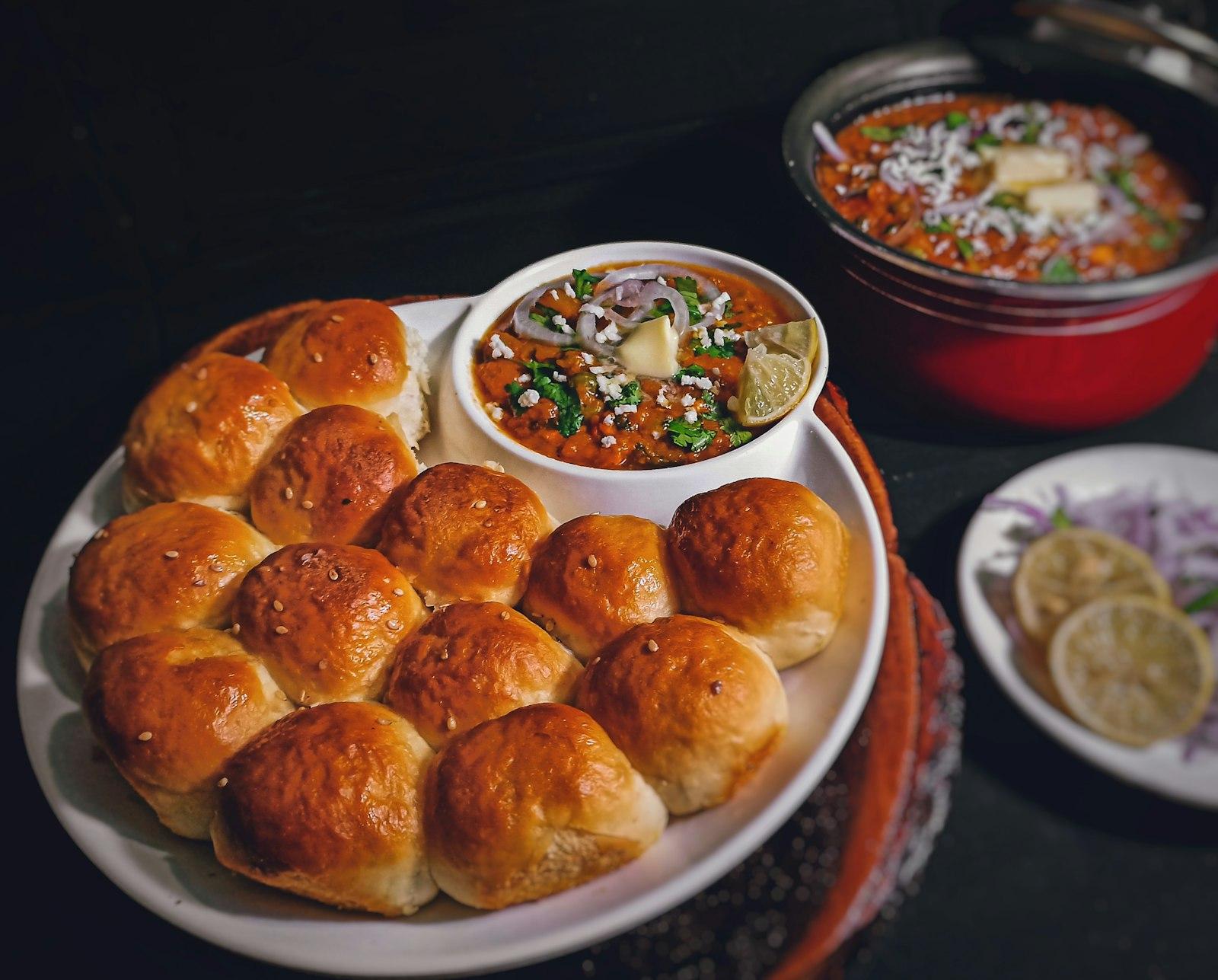
Tandoor-baked stuffed bread served with chole, onion and chutney; breakfast or lunch is the natural time for it.
Good place to begin: Dedicated kulcha shops
Typical range: ₹100–250
Langar
A simple vegetarian meal prepared and served collectively at the Golden Temple. Sit with everyone and follow volunteer guidance.
Good place to begin: Guru Ram Das Langar Hall
Typical range: Free; donations optional
Amritsari Fish
River fish in a spiced gram-flour coating, fried crisp and served with chutney.
Good place to begin: Established fish shops outside the sacred precinct
Typical range: ₹250–600
Chole Bhature
A filling plate of chickpeas and fried bread that works best as a late breakfast.
Good place to begin: Busy breakfast shops
Typical range: ₹100–220
Lassi
Thick, cool and often topped with malai; one glass can be closer to a snack than a drink.
Good place to begin: Old dairy and lassi shops
Typical range: ₹70–160
Phirni
Slow-set ground-rice pudding served chilled in small clay bowls.
Good place to begin: Punjabi restaurants and sweet shops
Typical range: ₹80–180
When should you visit Amritsar?
October to March brings the easiest walking weather, although winter mornings can be foggy and cold. April to June is intensely hot. Monsoon humidity and showers arrive from July into September.
October to February
The generally comfortable period brings stronger leisure demand and higher prices around holidays, festivals and weekends.
March to June
Heat makes early starts, air-conditioned breaks and convenient transport more important than the lowest room rate.
July to September
Monsoon conditions can lower some rates but add rain delays, humidity and changes to outdoor access.
Festivals and major events
Demand can spike sharply on specific dates. Reserve transport and accommodation early, then confirm local access restrictions.
The practical things I would want to know
The small decisions make or break a Amritsar trip: the side of town you sleep in, the hour you leave and whether walking in the heritage centre, with e-rickshaws or autos beyond it suits that particular journey. Here is the practical version, without pretending traffic and weather always cooperate.
Golden Temple etiquette
• Cover your head and dress modestly.
• Keep shoes at the official counter.
• Photography is restricted in important areas; follow signs.
Getting around
• Walk the compact heritage centre.
• Use an e-rickshaw or auto for nearby stops.
• Book Wagah transport with a clear return plan.
Weather
• Carry a warm layer for winter mornings.
• Expect summer afternoons to be punishing.
• Fog can affect winter trains and flights.
Food
• Share rich dishes so you can try more than one.
• Eat kulcha while it is fresh from the tandoor.
• Keep the sacred precinct free of tobacco and alcohol.
A quieter side of Amritsar
“Hidden” is an overused word. These places are known to the people around them; they are simply easier to miss on a first visit to Amritsar. Go gently, especially in working neighbourhoods and places of worship.
Pul Kanjari
A small historic stop near the border route, best visited with planned transport.
Khairuddin Mosque
A central mosque connected with the freedom movement.
Ram Tirath
A religious complex outside the city associated with the Ramayana tradition.
Company Bagh mornings
The Ram Bagh grounds feel most local before the day becomes busy.
Qila Ahluwalia lanes
Old-city streets where architecture survives above the shopfronts.
Gurudwara Baba Atal Rai
A distinctive tower close to the Golden Temple with its own devotional importance.
Check access before travelling across town for one small stop. Visit quiet or residential areas in daylight, ask before photographing people and leave if your presence is disrupting daily life.
What a Amritsar trip actually costs
₹1,700–5,500 per person per day (excluding intercity travel)
Amritsar can suit several budgets, but accommodation location and private transport make a larger difference than many visitors expect.
A lower room rate is poor value when it creates repeated long journeys. Price the whole day—stay, meals, entry fees and transport—before choosing a base.
Choose your base before your room
Choose accommodation around the experiences that matter most; these areas serve different kinds of Amritsar trip.
Golden Temple area
budget to mid
Ideal for early and late visits, but lively.
Ranjit Avenue
mid to premium
Quieter hotels and restaurants.
Queens Road
budget to mid
Practical for rail arrivals.
Airport Road
mid to premium
Useful for short stopovers, not heritage walks.
Three realistic daily budgets
Backpacker
₹1,700–2,700
• Hostel or simple room
• Local meals
• Public transport and limited autos
• Core monuments and public spaces
Mid-range
₹3,500–5,500
• Comfortable, well-located hotel
• Local meals plus a special dinner
• Mixed public and app-based transport
• Tickets and one guided experience
Premium
₹8,000+
• Upper-upscale accommodation
• Private transport
• Destination dining
• Private guiding and flexible activities
Costs people often miss
• Treating sacred spaces as photo sets
• Leaving too late for border security
• Over-ordering rich food
• Ignoring winter fog delays
Ways to spend less without spoiling the trip
• Walk the historic core
• Use official shoe and baggage counters
• Share transport to Attari
• Eat one community meal respectfully
Frequently Asked Questions
How long should I stay in Amritsar?
Two days is comfortable: one for the sacred and historic centre, and another for museums, food and the border excursion.
Can non-Sikhs visit the Golden Temple?
Yes. Visitors of all faiths are welcome when they follow the complex’s dress and conduct rules.
Is the Wagah ceremony essential?
No. It is popular and theatrical, but travellers more interested in history may prefer extra time at the Partition Museum.
Where is the easiest place to stay?
Near the Golden Temple if you want early and late visits; around Ranjit Avenue for a quieter, more modern base.
Explore More Destinations
Planning to visit more cities? Check out these amazing destinations across India.