Bangalore travel guide - Explore attractions, food and culture in Karnataka

Bangalore

Karnataka

Home / Cities / Bangalore

Discover Bangalore: Your Complete Travel Guide

India's tech capital. Good weather, great food, and enough parks left to still call it the Garden City.

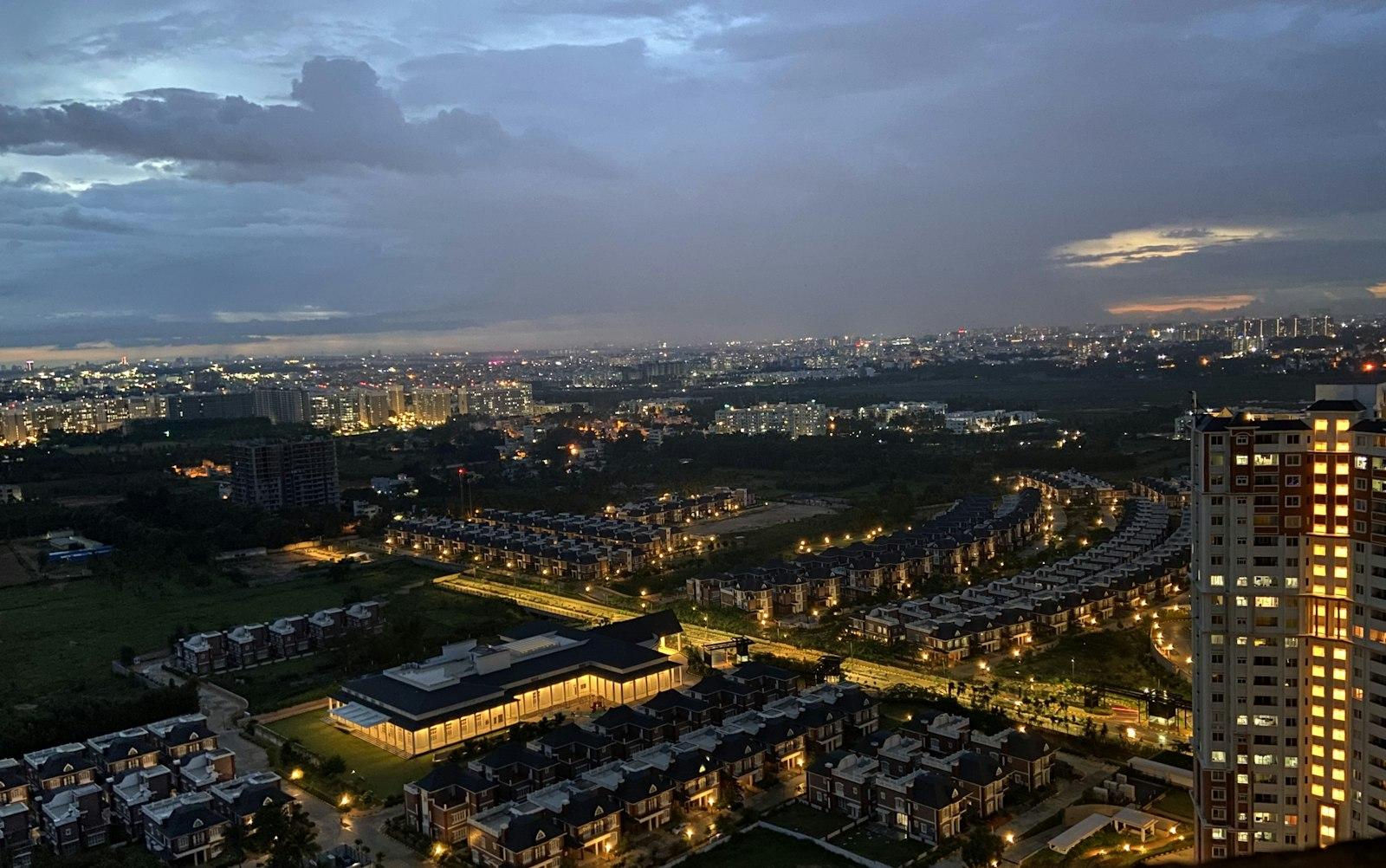
Most people still say Bangalore. The official name changed to Bengaluru in 2014 but nobody really uses it in conversation. This is where India's tech industry lives. You'll find Google offices a short walk from 16th-century temples, founders eating masala dosas at 6 AM before investor meetings, and engineers from every state in the country who moved here for work and ended up staying. The weather is the first thing locals will tell you about. When Delhi is hitting 45°C and Mumbai is drowning in monsoon water, Bangalore sits between 20 and 30°C. It's why retirees moved here for decades. It's part of why the tech companies stuck around too. The shift since the 1980s has been hard to overstate. Infosys and Wipro set up when the city was still known mainly for its gardens. Today Electronic City, Whitefield, and the Outer Ring Road run together as one continuous tech corridor. Microsoft, Amazon, Google all have major campuses. The city produces unicorns at a rate that surprises people who haven't been paying attention. Old Bangalore is still around if you know where to look. Lalbagh, planted in 1760, is where people go when the city gets too much. The Glass House inside hosts flower shows that draw real crowds. Cubbon Park's 300 acres in the middle of downtown still feels like a forest most mornings. Joggers, retired uncles with newspapers, couples on benches, the same scene every day. The food is genuinely good. Vidyarthi Bhavan has been making the same masala dosa since 1943. MTR opens before sunrise and there's already a queue by then. Koshy's is the old cafe where writers and artists have set up shop for decades. But the city also has Korean BBQ, more craft breweries than anywhere else in India, and farm-to-table places that wouldn't look out of place in Portland. Shopping looks different in each part of town. Commercial Street is loud and crowded and you bargain for everything from sarees to phone chargers. Brigade Road is fixed-price brand stores. KR Market is wholesale flowers and vegetables, run the way it has been for generations. The neighborhoods each have their own feel. Koramangala and Indiranagar are where younger people drink and work. Jayanagar is more traditional with its numbered blocks and good South Indian restaurants. Whitefield is expats and tech parks. Malleswaram still has the filter coffee and old houses that feel like the city from thirty years ago. The best thing about Bangalore is that it pulls people from everywhere. On one street you'll hear Hindi, Tamil, Telugu, Malayalam, Kannada, and English. The food reflects this. Traditional Karnataka cuisine sits next to every regional Indian style you can name, plus a serious international scene. There's also a real cultural life. The National Gallery shows decent contemporary art. Theatre matters here, Ranga Shankara and Jagriti both run regular shows. The Literature Festival in December pulls in big names. IISc and the engineering colleges keep something academic always happening. If you want pre-tech Bangalore, it's still visible. Tipu Sultan's Summer Palace, made entirely of teak, sits squeezed into the old city. Bangalore Palace looks lifted from England but feels Indian once you're inside. The Bull Temple in Basavanagudi has a giant Nandi carved from a single piece of granite. Now the parts nobody is going to sugarcoat. Traffic is bad. A 30-minute drive can take two hours during rush. The metro keeps expanding but slower than the city needs. Water gets scarce in summer. Some lakes are polluted, though cleanup efforts are underway in a few. Rents are higher every year. None of it has slowed the city down. People keep moving here. Startups keep launching. The cafes are still full of laptops and arguments about valuations. That's what Bangalore is. Crowded, messy, mostly cheerful. The guy drinking filter coffee at a hundred-year-old restaurant is probably also writing code that'll get used by millions of people.

What do you need for your trip?

Jump to the part that helps now, or read straight through for a practical first-trip plan.

How I would plan a first trip to Bangalore

The places below balance Bangalore’s best-known green spaces and civic landmarks with temples, palaces and historic districts. They are spread across the city, so grouping nearby stops is more useful than treating the list as a single-day checklist.

For a first visit, combine Cubbon Park, Vidhana Soudha and the central museums on one day, then pair Lalbagh with the Bull Temple and the older southern neighbourhoods. Bangalore Palace or ISKCON can anchor a separate half-day; reserve an early morning for Nandi Hills only if you have an extra day.

Places worth making time for

Treat this as a shortlist, not a race. Pick places that sit naturally together, check current entry arrangements, and keep enough time for the neighbourhood around each stop.

1. Lalbagh Botanical Garden

240 acres of garden in the middle of the city, planted in 1760 under Hyder Ali. The Glass House at the centre was modelled on London's Crystal Palace. Flower shows run twice a year, once in January and once in August, and they're worth the entry fee on their own. The garden has rock formations that are 3,000 million years old, give or take. Over 1,800 plant species live here, some of the trees old enough to have watched the city grow from a small town. Show up early and you'll see joggers, serious birders with long lenses, and families spreading out picnics under the rain trees. It's one of the few places in the centre of the city where you can forget about the traffic for an hour.

When: 6:00 AM - 7:00 PM · Entry: ₹25 for adults, ₹10 for children

2. Bangalore Palace

Built in 1878 by the Wadiyar family, modelled loosely on Windsor Castle. The Tudor-style towers and turrets feel out of place in a South Indian city and that's part of the appeal. Inside it's heavily decorated, hand-carved wooden ceilings, ornate furniture, a Durbar Hall lit by stained glass. The audio tour walks you through the private chambers and shows the old family photographs. The grounds run to 454 acres and now host concerts and cultural events. Major international artists sometimes play here, which is surreal given the setting. Entry is ₹250 for Indians and ₹500 for foreigners.

When: 10:00 AM - 5:30 PM · Entry: ₹250 for Indians, ₹500 for foreigners

3. Cubbon Park

300 acres of green in the centre of the city. Set up in 1870, it's where Bangalore goes to walk, run, read, and breathe. Around 6,000 trees across 96 species form a thick canopy that genuinely shuts out city noise once you're inside. Sundays are the best day. The roads close to traffic and thousands of people come for cycling, skating, and yoga. The State Library, the High Court, and a few museums all sit inside the park. There's a bamboo grove where you'll often find people practising tai chi at sunrise. Kids chase squirrels, retired people gather on benches to argue politics, art students set up easels. Free to enter, open 6 AM to 6 PM. One of the more honest ways to see how the city lives day to day.

When: 6:00 AM - 6:00 PM · Entry: Free

4. ISKCON Temple

The large temple complex in Rajajinagar opened in 1997. It mixes traditional Dravidian style with modern architecture and the combination works better than it has any right to. Beyond the prayer halls there's a multimedia theatre, a library, and restaurants doing genuinely good vegetarian food. The evening aarti is worth catching even if you're not religious. The chanting, the synchronised movement, the lamps, it has its own atmosphere. The 56-foot gold-plated flagpost is visible from a long way off. Weekend evenings often include classical music or dance performances. The temple kitchen, Akshaya Patra, is one of the largest mid-day meal operations in the world and feeds thousands of schoolchildren each day. Entry is free. Open from 4:15 AM until 8:30 PM with a break in the afternoon.

When: 4:15 AM - 5:00 AM, 7:15 AM - 1:00 PM, 4:00 PM - 8:30 PM · Entry: Free

5. Vidhana Soudha

Karnataka's state legislature building, finished in 1956 just after independence. It's enormous, 700 feet long and 150 feet tall, and the style is called Neo-Dravidian, which pulls from a mix of Indian traditions. Look closely and you'll spot Rajasthani balconies, South Indian temple carving, and Indo-Saracenic arches in the same facade. The interior is off-limits since it's a working government building. The exterior is the attraction. On Sunday evenings and public holidays they light it up and the whole thing turns gold. Good for photographs. An inscription on the building reads 'Government's Work is God's Work', which depending on your view of bureaucracy is either inspiring or ironic. Free to view.

When: Exterior viewing only (illuminated on Sundays and holidays 6:30 PM - 8:30 PM) · Entry: Free (exterior viewing)

6. Nandi Hills

About 60 km from the city, Nandi Hills rises to 4,851 feet. People come here for the sunrise. The drive up the winding road is part of the experience, with each hairpin opening up a better view than the last. Watching the sun come up while you're standing above the clouds is the kind of thing you'll remember. The catch is you need to leave Bangalore at 3 AM. The hill also has some history. Tipu Sultan kept a summer retreat up here and there's a cliff called Tipu's Drop where prisoners were reportedly thrown off, a 600-foot fall. The Nandi Temple at the top dates to the Chola period. Paragliding and cycling are both options if you have the time. The weather stays pleasant through the year, but winter mornings bring mist that makes for the best photos. Entry is ₹35 a person, ₹175 for the car.

When: 6:00 AM - 6:00 PM · Entry: ₹35 per person, ₹175 for cars

7. Tipu Sultan's Summer Palace

Tucked into the lanes of the old city, this palace is built entirely of teak and dates to 1791. The Indo-Islamic architecture is striking, ornate pillars, fine floral carvings, and paint that's somehow held its colour for over two centuries. The small museum holds Tipu's personal belongings, clothes, his crown, weapons. The strongest impression comes from just standing in the Darbar Hall where Tipu held court. The gardens are smaller than they used to be but still quiet. ₹20 for Indians, ₹200 for foreigners.

When: 8:30 AM - 5:30 PM · Entry: ₹20 for Indians, ₹200 for foreigners

8. Bull Temple (Dodda Basavana Gudi)

In Basavanagudi, the temple holds one of the largest Nandi statues anywhere, 15 feet tall and 20 feet long, carved from a single block of granite in 1537. Centuries of devotees rubbing butter and sesame oil on it have polished the stone to a shine. The local legend says a bull was eating the groundnut crops until the temple was built, after which the harvests recovered. The architecture is classic Dravidian. Each year during the groundnut fair, Kadalekayi Parishe, the area transforms into a huge market where farmers from surrounding villages bring their crop in. The temple elephant blesses visitors, older locals gather in the courtyard for long conversations, and children chase each other through the side rooms. Bugle Rock Garden nearby has good views across the city. Free entry.

When: 6:00 AM - 12:00 PM, 5:00 PM - 9:00 PM · Entry: Free

9. Ulsoor Lake

125 acres of lake right in the city, dating to the 1530s. Early in the morning you'll see rowing clubs out on the water, which looks particularly good at sunrise. The walking path around the lake is where locals have formed loose social circles, people who've been walking the same route together for years swapping health tips and stock advice. The birdlife is decent, herons, cormorants, kingfishers. During Ganesh Chaturthi thousands come for the immersion. You can rent pedal or motorboats for ₹30 to ₹150. There's a small play area and outdoor gym setup along the bank. Food and cultural festivals sometimes set up here too. Free entry. Open 6 AM to 8 PM.

When: 6:00 AM - 8:00 PM · Entry: Free (Boating charges: ₹30-150 per person)

10. Commercial Street

A kilometre of shops that's been Bangalore's main retail strip since the British era. Over 800 stores sell pretty much anything, Kanchipuram sarees, fast fashion, jewellery, knock-off electronics, kitchen things, lampshades. The street starts the morning quiet. Flower vendors set up first, then the textile shops roll out their fabrics. By noon it's full chaos, hard bargaining, delivery riders weaving through pedestrians, the smell of street food competing with incense from doorway shrines. A few of the older stores still have wooden cabinets and write bills by hand. The newer boutiques next door are full of TikTok-ready outfits. Bargain seriously. Start at half the quoted price. The corner stalls are part of the appeal, fresh dosas, juice, Bengali sweets with queues outside. Open 10 AM to 8:30 PM, closed Sundays.

When: 10:00 AM - 8:30 PM (Closed on Sundays) · Entry: Free
What to eat while you are here

Bangalore’s food identity stretches from fast darshini breakfasts and old South Indian institutions to military hotels, regional Karnataka cooking, cafés and a large craft-beer scene. The dishes below explain what to order and where each style fits into a day in the city.

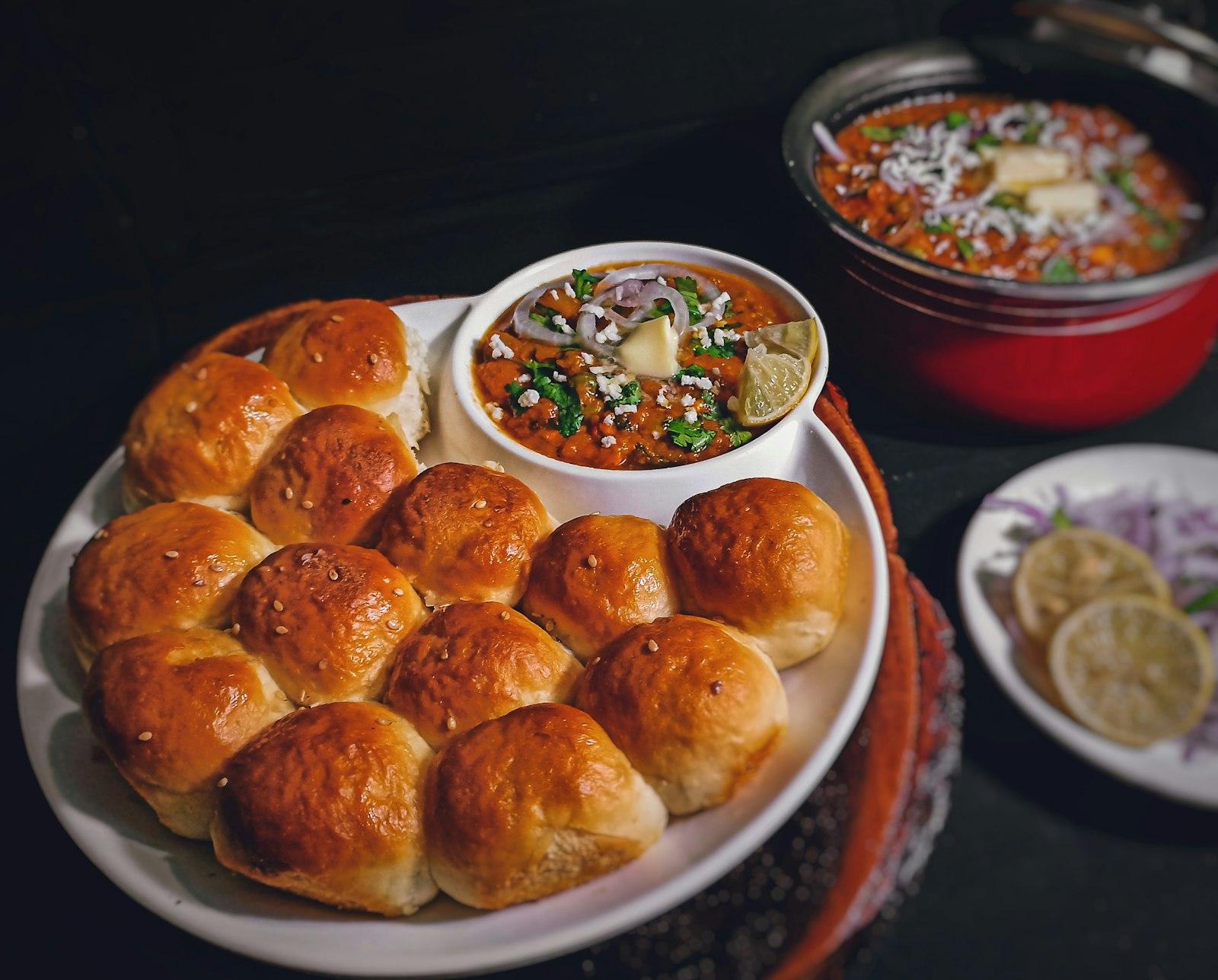
Masala Dosa

South Indian breakfast at its most famous. A thin, crispy crepe of fermented rice and lentil batter wrapped around spiced potato, served with coconut chutney and sambar. Vidyarthi Bhavan in Gandhi Bazaar has been making the same one since 1943 and locals will argue with anyone who claims a better one.

Good place to begin: Vidyarthi Bhavan, MTR (Mavalli Tiffin Rooms), Brahmin's Coffee Bar

Typical range: ₹40-80

Bisi Bele Bath

Literally 'hot lentil rice'. Karnataka's version of khichdi, but spicier. Rice, lentils, vegetables, and a spice mix that includes cinnamon, cloves, and nutmeg, finished with ghee and cashews. MTR's version is famous enough that they sell ready-mixes for people who've moved abroad and miss home.

Good place to begin: MTR, Puliyogare Point, Hotel Janatha

Typical range: ₹50-100

Filter Coffee

Mornings in Bangalore don't really start without it. Dark-roast coffee mixed with chicory, brewed slowly in a metal filter, poured with hot frothy milk. Served in a steel tumbler set inside a wider bowl called a dabarah. The trick is pouring it back and forth between the two to cool it and build a head of froth. The ritual matters.

Good place to begin: Indian Coffee House, Brahmin's Coffee Bar, Airlines Hotel

Typical range: ₹20-40

Idli Vada

Steamed rice cakes paired with fried lentil donuts. The idlis are soft, almost weightless. The vadas give you the contrast, crunchy outside, dense inside. You eat them with three chutneys (coconut, tomato, mint) and a bowl of sambar. Light enough for breakfast but filling enough to skip lunch.

Good place to begin: Brahmin's Coffee Bar, Veena Stores, CTR (Central Tiffin Room)

Typical range: ₹30-60

Ragi Mudde

Traditional Karnataka food made from finger millet, shaped into soft round balls the size of a baseball. You eat it with sambar, chicken curry, or mutton curry. Outsiders take a while to come around to it. Locals grew up on it and love it for the nutrition. One bit of etiquette, you break off a piece and swallow it whole without chewing. That's how it's done.

Good place to begin: Ragi Mane, Village Restaurant, Kamat Hotel

Typical range: ₹60-120

Mangalore Buns

The name is misleading. These are sweet, fluffy fried breads made with mashed banana and a hint of cumin. Crisp outside, soft and slightly chewy inside. Good with coconut chutney or sambar. Originally from the coast but a fixture of Bangalore breakfast menus now.

Good place to begin: Central Tiffin Room, Udupi restaurants, SLV Corner

Typical range: ₹35-60

Akki Roti

A rice flour flatbread mixed with chopped vegetables, onions, carrots, coriander, green chillies, then patted out and cooked on a griddle. Every household and restaurant tweaks the recipe. Some add dill, some add coconut. Eaten with chutney, pickle, or just butter.

Good place to begin: Kamat Hotels, Village Restaurant, Local darshinis

Typical range: ₹40-70

Obbattu/Holige

Sweet flatbread filled with jaggery and either lentils or coconut, wrapped in wheat dough and roasted thin. Served hot with ghee or milk. A festival dish for most Bangalore families. The conversation around whose grandmother's recipe is best can take up an entire afternoon.

Good place to begin: MTR, Brahmin's Bakery, Sweet shops in Malleswaram

Typical range: ₹30-50 per piece

Congress Kadlekai

Spicy roasted peanuts named after Congress political meetings where they used to be served. Coated in gram flour with chilli and garlic. Genuinely hard to stop eating once you start. Vendors sell them in paper cones at bus stops, parks, and markets.

Good place to begin: Street vendors, Lalbagh, Cubbon Park, Local markets

Typical range: ₹10-30

Thatte Idli

Named for the plate, the thatte, they're served on. These are wider and flatter than regular idlis and come from Bidadi, between Bangalore and Mysore. Spongy and slightly tangy, the kind that soaks up chutney and sambar. People drive out to Bidadi specifically for these.

Good place to begin: Bidadi Thatte Idli Hotel, Vasudev Adiga's, IDC Kitchen

Typical range: ₹25-40

Vada Pav

A Mumbai import that Bangalore took to immediately. A spiced potato dumpling deep-fried and stuffed into a soft bread roll with chutneys. The IT crowd kept it alive in this city. Now there's a stall on most major corners near tech parks.

Good place to begin: Anand Sweets, Street stalls near tech parks, Garden Vada Pav

Typical range: ₹20-40

Chow Chow Bath

A combination plate, one half sweet, one half savoury. Kesari bath, a saffron semolina pudding, served next to upma, savoury semolina with vegetables. The contrast shouldn't work but it does. Covers most breakfast cravings in one go.

Good place to begin: CTR, Janatha Hotel, Vidyarthi Bhavan

Typical range: ₹50-80

When should you visit Bangalore?

Bangalore's weather is mild for India. The city sits at 900 metres on the Deccan Plateau, which keeps it cooler than most of the country year-round. You can come any month and have a reasonable trip. But each season feels different. **Winter (November to February)** If you're only going to come once, come now. Days run 20 to 28°C and nights drop to 12 to 15°C. Locals pull out sweaters and complain it's cold. You'll probably find it ideal. Mornings are crisp and clear, which is the right time to walk through Lalbagh or Cubbon Park. Cafes, breweries, and outdoor dining all work well. Evenings are cool enough that you'll want a light layer. December is when the Literature Festival usually runs. New Year's Eve is a serious event here, so book restaurants and bars well in advance. Theatre season is in full swing through these months. Trade-offs: tourist numbers go up, hotel prices creep up slightly. Morning fog occasionally delays flights. If you're used to tropical heat, bring a light jacket for the evenings. **Summer (March to May)** Bangalore caps out around 32 to 35°C while the rest of the country boils. Compared to Delhi or Chennai it feels mild. Evenings still cool down properly. This is a good window if you want fewer tourists. Schools are still in session until mid-April so families aren't travelling. Hotels stay reasonably priced. People escaping north India often end up here because anything below 35 feels like a holiday. Mango season starts. Karnataka's varieties fill the markets, Alphonso, Banganapalle, Totapuri. Sugarcane juice carts appear everywhere. Cafes shift from hot filter coffee to cold variants. The one real issue is water. Bangalore pumps its supply from far away and summer puts pressure on the system. Some neighbourhoods get rationed. As a visitor you'll mostly notice it through a polite notice in your hotel bathroom. Late-afternoon thunderstorms start showing up by April. They're short, dramatic, and they wreck the traffic for an hour or two before clearing. **Monsoon (June to October)** The city is at its greenest in monsoon. The rains start in early June and run through September, with October getting trailing showers. Unlike Mumbai's flooding, Bangalore's rain is steady but moderate. It usually hits in late afternoon and evening, not all day. Temperatures sit in the 22 to 28°C range. The rain washes summer dust off everything. Parks and gardens explode with new growth. Lalbagh turns lush. The hills surrounding the city look like a different state. Monsoon in Bangalore has a particular feeling to it. The smell of rain on hot earth. Roadside vendors making fresh pakoras and chai. Cafes set up window seats for rain-watching. Breweries fill up with people who'd rather drink indoors. Downsides are real. Heavy showers cause bad traffic. Some areas flood. Potholes appear overnight. Outdoor plans need a backup, your sunrise trip to Nandi Hills might get rained out. For photographers it's the best season. Nandi Hills wears a layer of mist. The waterfalls near Coorg are running properly. The Western Ghats look spectacular if you can spare a few days. **Festivals** Whenever you visit, timing it to a festival helps. Ugadi (Kannada New Year) falls in March or April. Ganesh Chaturthi in August or September brings big processions, especially in Basavanagudi. Dasara in October is best experienced in Mysore. Diwali in October or November lights up the whole city. Christmas in December is quieter but the older Christian neighbourhoods decorate beautifully. **Which Season to Pick** Bangalore doesn't really have a bad season. Pick based on what else matters, festivals, work calendar, hotel deals, who can come with you. A quick breakdown: - **First visit, want everything optimal**: November to February. Best weather, most events. - **Tight budget**: March to May. Slightly cheaper, weather still fine by Indian standards. - **Nature and photography**: June to September. Everything green, waterfalls running. - **Festival-driven trip**: Dasara in October, Lit Fest in December, Ugadi in March or April. - **Outdoor activities**: October to March. Best window for trekking and exploring nearby hills. - **Escaping bad weather elsewhere**: any month. If you're fleeing Delhi summer or Mumbai monsoon, Bangalore feels like a different country. This kind of flexibility is rare in India. Goa is really only good November to February. Hill stations close during monsoon. Bangalore works any time. Plan around what you want to do, not the weather.

November to February

Comfortable sightseeing weather raises leisure demand around holidays and major events. Reserve central stays early for weekends.

March to May

Warmer afternoons make early starts useful, while hotel demand varies more by business calendar than by a conventional tourist season.

June to September

Rain can slow road travel and increase cab fares. Room prices may be reasonable, but transport buffers matter more than small hotel savings.

October and festival periods

Pleasant weather returns, with local festivals, concerts and events creating short demand spikes rather than one uniform peak season.

The practical things I would want to know

Bangalore is easier when you plan by neighbourhood rather than distance. Traffic can turn a short map distance into a long ride, while the Metro is excellent only where its lines match your route. The notes below cover transport, where to stay, weather, etiquette and realistic day trips.

Transportation

  • • The Namma Metro app handles routes and card recharges. The metro covers MG Road, Indiranagar, and the airport. Runs 5 AM to 11 PM.
  • • Uber, Ola, and Rapido are easier than autos during rush hour (8 to 10 AM, 5 to 8 PM), when auto drivers tend to refuse trips or quote inflated rates.
  • • Autos are supposed to use the meter (minimum ₹30). Most don't. Try the Namma Yatri app for fair fares or settle the price before getting in.
  • • BMTC buses are the cheapest option but crowded. The Volvo AC buses cost a bit more and are far more comfortable.
  • • The airport is 35 km out. The prepaid airport taxi (₹800 to ₹1000) or the Vayu Vajra bus (₹250) beat random cabs that try to overcharge.
  • • Bounce, Vogo, and Yulu rent bikes for short trips at ₹3 to ₹5 per km. Faster than four wheels in most traffic.
  • • Book outstation cabs a day ahead if you're heading to Nandi Hills or Mysore. Shared cabs run from Kalyan Nagar on weekends.

Best Times & Weather

  • • October to February is the most comfortable stretch, 15 to 28°C. Pack a light sweater for evenings and early mornings.
  • • Avoid long weekends. Half the city drives out to Coorg, Ooty, or Goa. Prices triple and the highways jam.
  • • Monsoon (June to September) can bring sudden heavy rain. Carry an umbrella and don't trust quiet skies.
  • • April and May get warm (around 35°C) but hotel rates drop and tourist numbers thin out.
  • • Visit parks and lakes between 6 and 8 AM. The weather is good and you'll see the city at its calmest.
  • • Save malls and museums for the hot afternoon hours.

Food & Dining

  • • Darshinis are quick stand-and-eat South Indian counters. Pay at the till, get a token, collect your food. Fast, cheap, authentic.
  • • Get to the iconic breakfast places before 11 AM. After that they switch menus and the popular items run out.
  • • The microbrewery scene is one of the best in the country. Toit, Arbor Brewing, and Windmills all do good craft beer and good food.
  • • Street food is generally fine but stick to busy stalls with high turnover. Skip cut fruit and ice unless you're at a known place.
  • • Swiggy and Zomato deliver from everything from fine dining to corner darshinis well into the night.
  • • A lot of restaurants close between 3 and 6 PM. Eat lunch before 3 or wait until after 7.
  • • Green dots on a signboard mean pure vegetarian. Red dots mean non-vegetarian is on the menu.

Areas to Stay

  • • Indiranagar and Koramangala: great for cafes, restaurants, and bars. Expensive and the traffic is bad.
  • • MG Road and Brigade Road: central, metro access, close to shopping. Noisy.
  • • Malleshwaram and Basavanagudi: older neighbourhoods, good food, quieter. Far from the IT belts.
  • • Whitefield and Electronic City: close to tech parks, modern, but two to three hours from the city centre in traffic.
  • • Jayanagar: a middle ground. Decent food, shopping, connectivity, and reasonable prices.
  • • Booking near a metro station saves money and a lot of time.

Shopping & Bargaining

  • • Commercial Street and Chickpet: bargain hard. Start at 50% of the asking price for clothes and accessories.
  • • Brigade Road and UB City Mall are fixed-price. No bargaining, but watch for sale seasons.
  • • KR Market for flowers, spices, and vegetables. The wholesale flower market is best seen around 4 AM.
  • • Cauvery Emporium (government-run) is the safe bet for Karnataka silk sarees and handicrafts at fair fixed prices.
  • • Sunday Soul Sante is a flea market for handmade goods and organic food, worth a Sunday morning.
  • • Most non-mall shops close by 8:30 PM. Malls run till 10.

Cultural Etiquette

  • • The city is cosmopolitan but dress modestly at temples. Cover shoulders and legs.
  • • Take your shoes off at temples, some shops, and any private home.
  • • A few words go a long way: 'Namaskara' for hello, 'Dhanyavada' for thank you.
  • • Tipping isn't expected but is appreciated. ₹20 to ₹50 at smaller places, around 10% at upscale restaurants.
  • • Public displays of affection are frowned upon, especially in older or more traditional neighbourhoods.
  • • Most locals speak good English with a particular accent. If you miss something the first time, ask politely.

Safety & Health

  • • The city is generally safe. Avoid quiet, isolated areas after 10 PM and stick to well-lit main streets.
  • • Keep copies of your documents in cloud storage. Police are helpful but paperwork takes time.
  • • Drink bottled water (Bisleri, Kinley) or refill at RO water stations.
  • • Air quality dips in traffic-heavy zones. Bring a mask if you have asthma or other respiratory issues.
  • • Emergency numbers: Police 100, Ambulance 108, Tourist Helpline 1363.
  • • Watch out for tourist scams near major attractions. Licensed guides carry IDs. Anyone with a 'special deal' is best avoided.
  • • ATMs are everywhere. Let your bank know you're travelling so they don't block your card.

Weekend Getaways

  • • Nandi Hills (60 km): leave by 4 AM for sunrise. They close the gate once parking is full.
  • • Mysore (150 km): doable in a day. Palace, zoo, Brindavan Gardens. The Shatabdi train is the most comfortable way to get there.
  • • Coorg (270 km): plan for two or three days. Stay at a coffee estate homestay if you want the full experience.
  • • Hampi (340 km): UNESCO site, needs at least two days. Overnight train or bus.
  • • Pondicherry (310 km): French quarter and beaches. Book a few months ahead during long weekends.
  • • Skandagiri (70 km): night trek for sunrise. Needs a forest department permit.
  • • Going midweek instead of weekend cuts the crowd considerably.

Tech & Connectivity

  • • Free Wi-Fi at metro stations, malls, and most cafes. Speeds vary but it works for basic browsing.
  • • Pick up a local SIM (Airtel or Jio) at the airport. ₹500 to ₹1000 gets you a tourist plan with plenty of data.
  • • UPI payments (GPay, PhonePe) work at almost every street vendor and small shop, not just the big places.
  • • Download offline maps. Google Maps traffic is reliable but eats data.
  • • Power cuts in main areas are rare. A power bank is still useful.
  • • Cards work most places, but keep ₹2000 to ₹3000 in cash for autos, street food, and small vendors.

Special Experiences

  • • Catch a cricket match at Chinnaswamy Stadium. Even if cricket isn't your thing, the crowd energy is worth it.
  • • Take a heritage walk in Basavanagudi or Malleshwaram with Unhurried or Bangalore Walks. ₹500 to ₹800 a person.
  • • Time a visit around Karaga (March/April) or Kadalekai Parishe (November) for proper cultural depth.
  • • Microlight flights at Jakkur Airfield give you the city from above.
  • • Cubbon Park's Sunday cycling groups welcome anyone. Bikes are available to rent.
  • • Ranga Shankara stages plays in several languages. Tickets start around ₹200.
  • • Ragigudda temple after dark gives you the city skyline framed by temple lights.

A quieter side of Bangalore

These quieter Bangalore experiences range from lakes and heritage pockets within the urban area to landscapes and villages outside it. Some are seasonal and several require an early start, so each entry should be planned as a deliberate stop rather than squeezed between central attractions.

Chunchi Falls: 85 km out near Kanakapura. The Arkavathi River drops dramatically here, best in monsoon but accessible all year. The two to three hour trek keeps the crowd thin. Sangama, where two rivers meet, and the Mekedatu gorge are close by and worth combining.

Nrityagram Dance Village: 30 km out in Hesaraghatta, a residential community built around Indian classical dance. Founded by the late Odissi dancer Protima Bedi, it follows a gurukul model. There are performances, workshops, and a peaceful rural setting that feels like the opposite of the city.

Bangalore Fort and Tipu Sultan's Summer Palace: hidden in the chaos of Avenue Road and KR Market, these 1761 structures have survived somehow despite everything built around them. The teak palace has fine floral motifs. The fort's Delhi Gate and dungeons remain even though the British knocked down most of it.

Dodda Alada Mara (Big Banyan Tree): a 400-year-old banyan in Kethohalli village, 28 km away, sprawling across three acres. Aerial roots have grown so densely it looks more like a small forest than a tree. Lightning destroyed the original trunk years ago but the supporting roots have kept it alive. Best in late afternoon light.

Hesaraghatta Lake and Grasslands: 20 km northwest, a decommissioned reservoir and the surrounding scrubland. Over 200 bird species have been recorded here, including raptors and waterbirds. Best between October and February.

Basavanagudi around the Bull Temple: most visitors hit the temple and leave. Stay a bit longer for Bugle Rock Park and its geological formations, the Dodda Ganesha Temple with its huge monolithic idol, and Gandhi Bazaar's market that the neighbourhood actually shops at.

HAL Aerospace Museum: in Varthur Hobli. Vintage aircraft, helicopters, and flight simulators. The outdoor display includes Vidyut prototypes and old MiG fighters. Rarely crowded, good for kids who like planes.

Thippagondanahalli Reservoir: 40 km west, a 1933 reservoir dam, decommissioned but scenic. The surrounding hills and absence of development make it quiet. The villages around it look like Karnataka before the IT boom. Popular with motorcyclists and photographers.

For locations outside the city, a car or bike usually gives the most flexibility; check weather and access conditions before leaving. Keep urban hidden gems for weekday mornings and use the weekend-getaway advice in the travel-tips chapter for longer excursions.

What a Bangalore trip actually costs

₹2,000 - ₹4,500 per day (mid-range budget)

Bangalore sits between India’s most expensive metros and smaller regional cities. Accommodation in business districts can be costly, but inexpensive South Indian meals and public transport keep a careful daily budget manageable.

The biggest variable is location. Saving on a distant hotel can be cancelled out by long cab journeys, while staying near a useful Metro station often reduces both cost and wasted time.

Choose your base before your room

Choose a neighbourhood around your itinerary, not simply the lowest room rate. Bangalore’s travel times make location part of the budget.

MG Road, Church Street and the central business district

mid to premium

Central hotels cost more, but the Metro, museums, Cubbon Park and a dense choice of restaurants are nearby. This is the most convenient base for a short first visit.

Indiranagar and Koramangala

mid to premium

These neighbourhoods suit travellers prioritising cafés, restaurants and nightlife. Rooms and meals are typically less budget-oriented, and many heritage sights still require a cross-city journey.

Majestic and Gandhinagar

budget to mid

The bus and railway connections are useful and room prices are competitive. Choose a well-reviewed property and expect a busier street environment than in the eastern neighbourhoods.

Whitefield and Outer Ring Road

business pricing

These areas make sense for work trips nearby but are inconvenient for a sightseeing itinerary. A cheap-looking rate can become poor value after repeated cabs into central Bangalore.

Three realistic daily budgets

Backpacker

₹1,500–2,500

  • • Hostel or simple room
  • • Darshini and local meals
  • • Metro, bus and occasional auto
  • • One or two paid attractions

Mid-range

₹3,500–6,000

  • • Comfortable central hotel
  • • A mix of local meals and cafés
  • • Metro plus app-based cabs
  • • Attractions and an evening out

Premium

₹9,000+

  • • Upper-upscale hotel
  • • Private cabs through the day
  • • Fine dining or brewery visits
  • • Flexible activities and shopping

Costs people often miss

  • • Long surge-priced cab rides during rain and rush hour
  • • Booking a distant business-district hotel for a central sightseeing plan
  • • Airport transfers without comparing the Vayu Vajra bus
  • • Weekend restaurant and nightlife spending in Indiranagar or Koramangala
  • • Assuming every attraction, exhibition or photography permit is free

Ways to spend less without spoiling the trip

  • • Stay near a Metro station that matches your itinerary
  • • Use darshini restaurants for quick breakfasts and lunches
  • • Group sights by neighbourhood instead of crossing the city repeatedly
  • • Use airport buses when the route and luggage allow
  • • Keep a small buffer for rain-related transport changes

Frequently Asked Questions

Where can couples go private in Bangalore?

Bangalore is one of the easier cities in India for couples. Rooftop cafes in Indiranagar like The Humming Tree or Sunny's have quiet corners. The Glass House area in Lalbagh is usually empty enough. Day rooms at Oyo or any hotel in Koramangala or Whitefield work fine, they just need IDs and don't ask questions. Ulsoor Lake has some peaceful spots. Or pick any cafe in HSR Layout or Jayanagar where people genuinely mind their own business. The general culture here means you won't run into the kind of harassment that's common in some other Indian cities.

Where is Chota Ladakh in Bangalore?

There isn't a 'Chota Ladakh' in Bangalore. You might be thinking of a Ladakh-themed cafe that pops up occasionally, or possibly mixing it up with the Tibetan settlement areas in the region. The closest mountain feel you'll get near Bangalore is Nandi Hills.

Is it illegal to walk in Bangalore after 11pm?

No, there's no curfew. You can walk around at any hour. MG Road, Indiranagar, and Koramangala stay active well past midnight. The tech crowd works late so you'll often see people out around 1 or 2 AM. Use common sense, stick to lit, busier streets if you're alone. Brigade Road and Church Street are safe even late. Generally the city is safer for late walks than most metros in India.

Where can I go for a 2 day trip near Bangalore?

Plenty of options. Coorg (250 km) for coffee estates and cool weather. Chikmagalur (240 km) for trekking. Mysore (145 km) for palaces and history, perfect weekend distance. Wayanad (270 km) if you want a Kerala feel. Kabini (220 km) for wildlife. Hampi (350 km, a bit far but worth it) for ruins. Pondicherry (310 km) for beach and French quarter. Yercaud (220 km) for a low-key hill station. All of these work as Saturday morning to Sunday evening trips.

What are the special places in Bangalore?

The Glass House in Lalbagh, especially during flower shows. Bangalore Palace if you like royal architecture. Vidhana Soudha lit up at night. Cubbon Park as the city's lung. The Bull Temple in Basavanagudi. The microbrewery scene at Toit and Arbor Brewing. VV Puram Food Street for authentic South Indian food. Nandi Hills for sunrise. Commercial Street for shopping. The Bangalore experience itself, the cafes and the weather, is often more memorable than any single monument.

How can I spend 3 days in Bangalore?

Day 1: breakfast at MTR or Vidyarthi Bhavan, Lalbagh and the Bull Temple in the morning, lunch at VV Puram Food Street, Cubbon Park in the afternoon, a microbrewery in Indiranagar in the evening. Day 2: leave for Nandi Hills by 4:30 AM for sunrise, back for lunch, Bangalore Palace, shopping at Commercial Street, evening at UB City. Day 3: Whitefield if you're into the tech side, or Bannerghatta Zoo, or just cafe-hopping in Koramangala. Bangalore rewards a slower pace.

Where can I go for a short trip near Bangalore?

Same-day options. Nandi Hills (60 km), out by 4 AM, back by noon. Savandurga (50 km) for a quick trek. Wonderla (30 km) for a water park day. Ramanagara (50 km) for rock climbing, also the place Sholay was filmed. Shivanasamudra Falls (130 km) during monsoon. Bheemeshwari (100 km) for river activities. Anthargange (70 km) for a night trek. Skandagiri (70 km) for a sunrise trek. All are within two to three hours, fine for a single day out.

How to spend a day in Bangalore?

Start with filter coffee and a masala dosa at Vidyarthi Bhavan, get there by 8 AM. Spend the morning at Lalbagh and the Glass House. Quick stop at the Bull Temple. Lunch at a darshini or VV Puram Food Street. Afternoon in Cubbon Park, maybe a look at Vidhana Soudha from outside. Evening at a microbrewery, Toit in Indiranagar or Arbor Brewing, or cafe-hop in Koramangala. That covers gardens, food, and the pub scene without rushing.

What is Bangalore famous about?

The weather mainly, pleasant year-round compared to other metros. It's India's Silicon Valley, so tech and startups define a lot of the city. The pub and microbrewery culture is among the best in the country. The Garden City reputation from Lalbagh and Cubbon Park. South Indian food, especially dosas and filter coffee. A cosmopolitan mix of people from across India. Traffic, unfortunately. A strong rock music scene. IT parks. The supposed work-life balance. And the surrounding weekend getaways to hill stations. It's a city most young Indians want to live in at some point.

Where can I go for 2 days in Bangalore?

Inside the city for two days. Day 1: Lalbagh and the Bull Temple in the morning, lunch at a South Indian spot, Cubbon Park and Vidhana Soudha in the afternoon, a brewery crawl in Indiranagar in the evening (Toit, Arbor, Windmills). Day 2: early Nandi Hills, breakfast at MTR on the way back, Bangalore Palace, shopping at Commercial Street or Brigade Road, evening at Phoenix Mall or UB City. Try a few cafes for coffee, Third Wave or Blue Tokai. Hit VV Puram or Gandhi Bazaar for street food. Covers the main stuff without rushing.

Where can I go at night in Bangalore?

The city has a decent nightlife. MG Road and Brigade Road are lit and active. Indiranagar's pubs and microbreweries (Toit, Byg Brewski) run until about 11 PM. Koramangala has late-night cafes. Church Street is dense with pubs. UB City for upscale lounges. Phoenix Marketcity or Orion Mall for late shopping and films. A 3 or 4 AM drive to Nandi Hills for sunrise is its own kind of night out. VV Puram Food Street runs till about 10 PM. Clubs cluster around Indiranagar, Koramangala, and MG Road. Most places close by 11 due to regulations, but there's plenty before that.

Is Bangalore good for tourists?

It's better for living than for tourism, to be straight about it. Bangalore doesn't have the monument density of Delhi or Jaipur. What it has is good weather, an excellent food scene, deep cafe and pub culture, and a lot of weekend trips within range. Two days is enough for the city itself. But if you enjoy good coffee, craft beer, South Indian food, and want a base to explore Karnataka (Coorg, Mysore, Hampi all nearby), it's a strong pick. It's more of a feel than a checklist. Come to see how young urban India actually lives, not to count monuments.

Explore More Destinations

Planning to visit more cities? Check out these amazing destinations across India.

Quick Facts

State

Karnataka

Top Attractions

10

Best Time

Year-round (pleasant climate, 20-30°C)

Budget Range

₹2,000 - ₹4,500 per day

Last Updated

2026-08-08