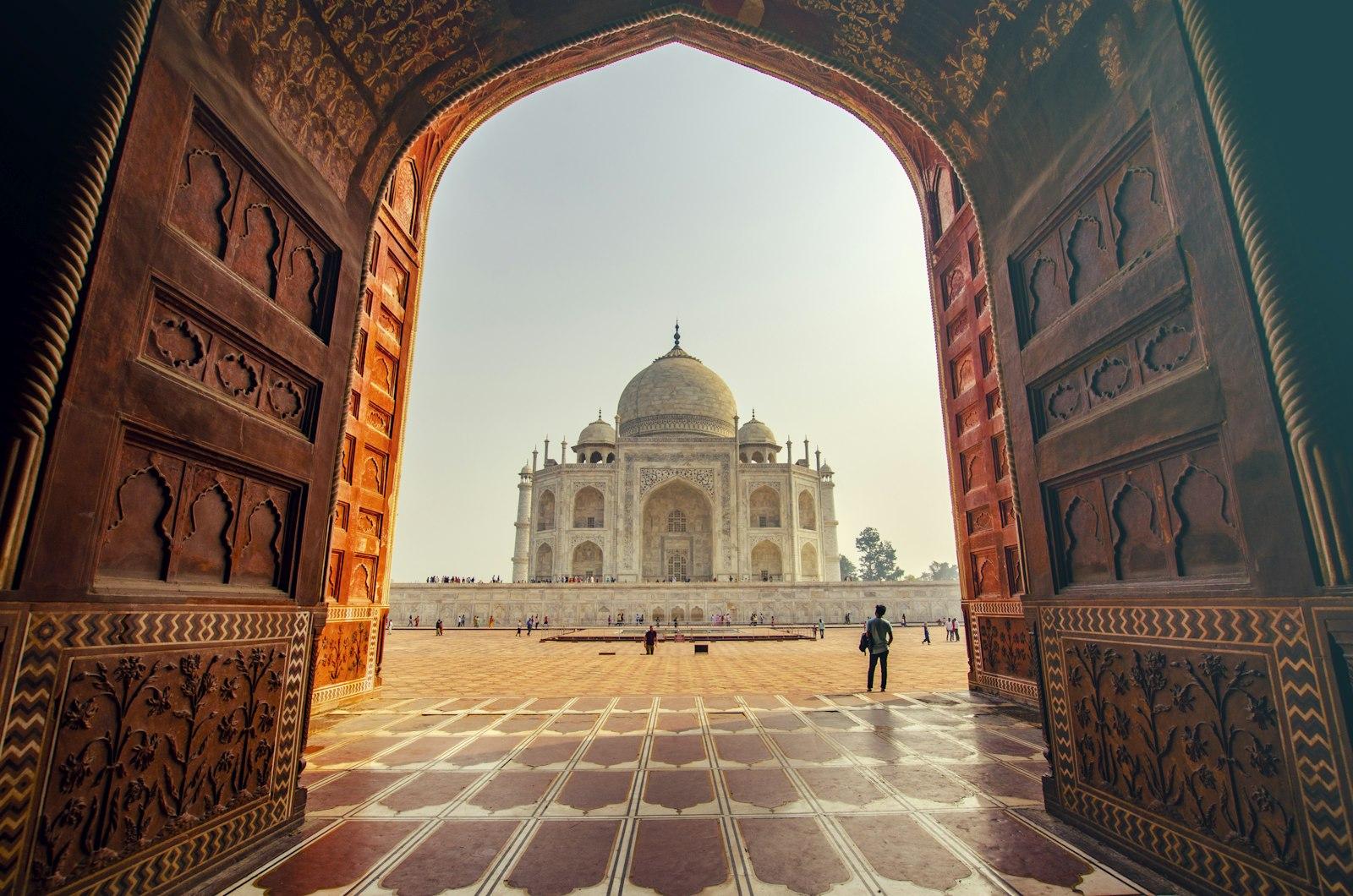
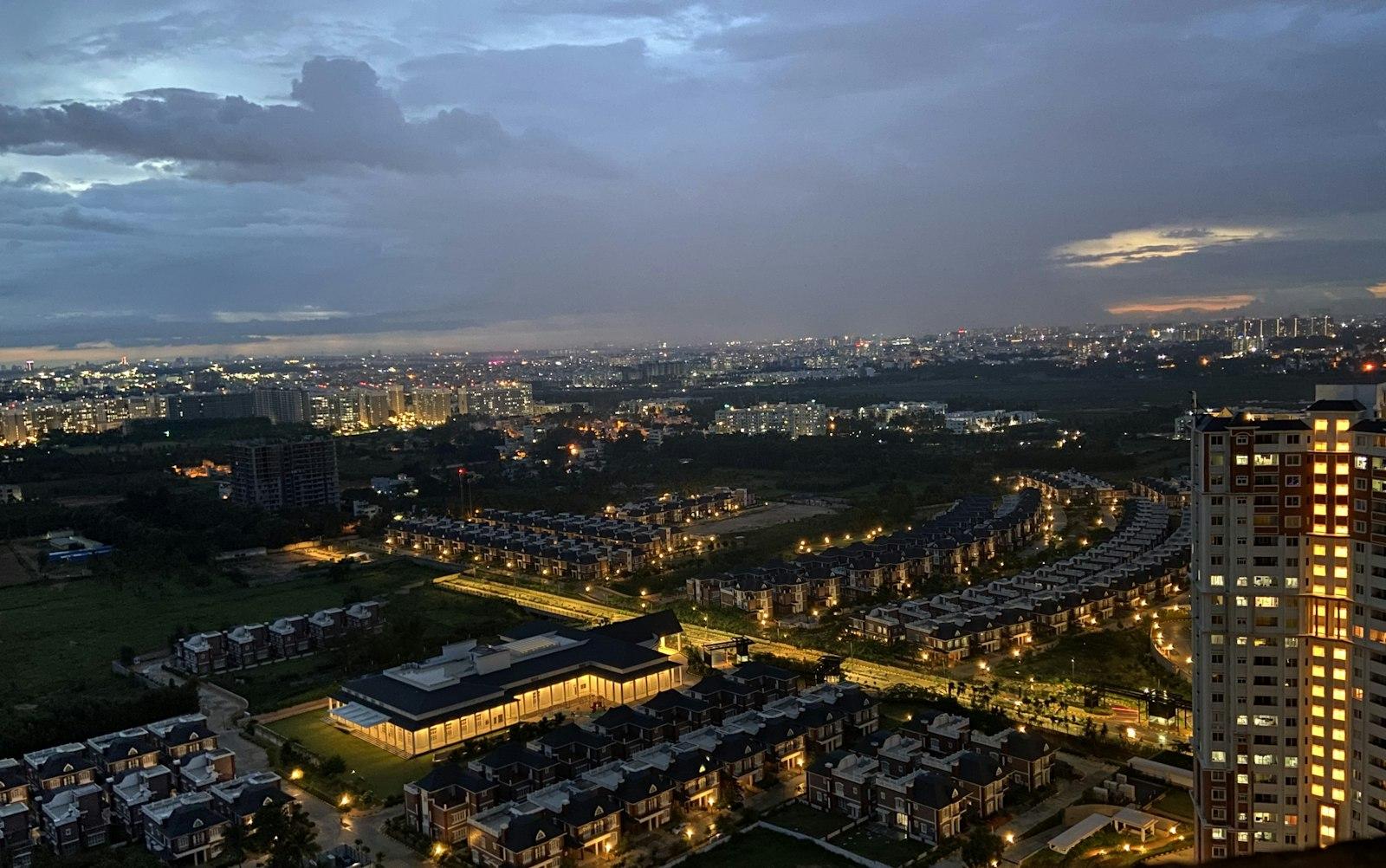
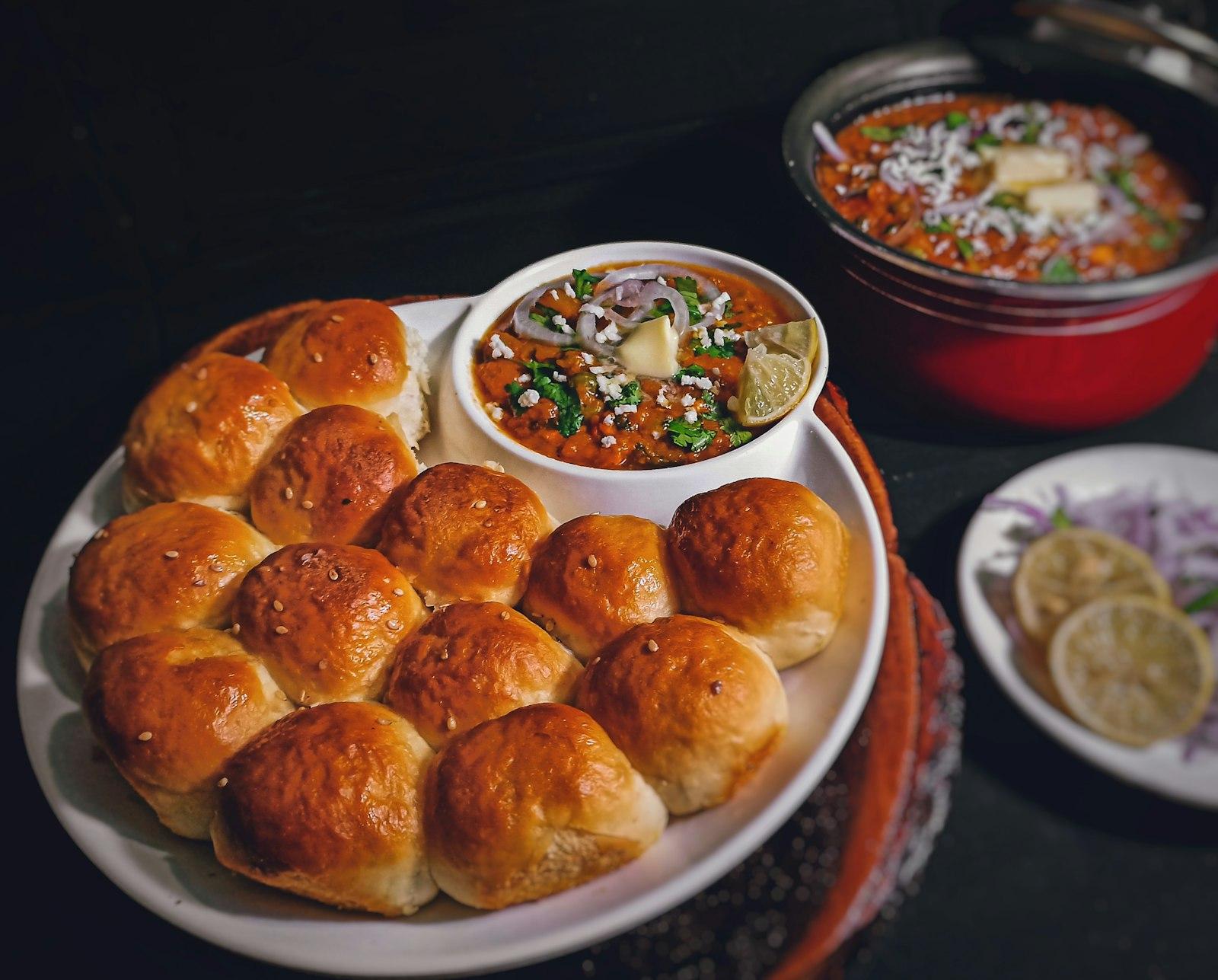
Bhubaneswar pairs a remarkable concentration of historic temples with caves, museums and an easy route towards Puri and Konark.
Bhubaneswar is often used as an airport stop on the way to Puri, which misses the point. The old town holds centuries of temple architecture within a surprisingly compact area, and Dhauli and the Udayagiri–Khandagiri caves add two very different chapters of Odisha’s history.
Spend an early morning walking around the old-town temple cluster. Some sacred interiors are restricted, but the architecture and surrounding tanks still reward patient observation. Keep the caves and museums for a second day, especially if the heat is strong.
The modern city is broad and green by Indian-capital standards. Autos and app cabs are the simplest way to connect its spread-out sights; the railway station area is practical, while Jaydev Vihar and Patia suit modern business stays.
What do you need for your trip?
Jump to the part that helps now, or read straight through for a practical first-trip plan.
Bhubaneswar makes more sense in neighbourhood-sized pieces. Begin with the old-town temples, Udayagiri and Khandagiri caves, Dhauli and museums devoted to Odisha; the useful question is not “how many can I fit?” but “which places belong in the same day?”
Walk the old-town temple cluster early, then use the hottest part of the day for a museum. Keep the twin cave hills together and treat Puri–Konark as a separate regional day.
Places worth making time for
Treat this as a shortlist, not a race. Pick places that sit naturally together, check current entry arrangements, and keep enough time for the neighbourhood around each stop.
1. Lingaraj Temple precinct
Bhubaneswar’s major temple is an active sacred complex. Entry restrictions apply to the inner compound, but designated viewpoints and the surrounding old town still provide context.
When: Daily worship schedule · Entry: Free exterior areas
2. Mukteshwar Temple
A compact gem of Kalinga architecture, especially noted for its carved arched gateway.
When: Daylight hours · Entry: Free
3. Rajarani Temple
Warm sandstone, sculptural detail and open lawns make this one of the easiest temples for visitors to study closely.
When: Daytime · Entry: Ticketed
4. Udayagiri and Khandagiri Caves
Rock-cut shelters and inscriptions linked to Jain history occupy twin hills. Start early and wear shoes suitable for uneven steps.
When: Daytime · Entry: Ticketed sections
5. Dhauli Shanti Stupa
A peace pagoda overlooks the landscape associated with the Kalinga War and Ashoka’s transformation.
When: Daytime; evening programme may operate · Entry: Free; programme extra
6. Odisha State Tribal Museum
Thoughtful displays introduce the material cultures of Odisha’s many Indigenous communities. Read carefully rather than rushing the galleries.
When: Check weekly closure · Entry: Verify
7. Kala Bhoomi
Odisha’s crafts museum uses courtyards and galleries to explain textiles, terracotta, metalwork and performance traditions.
When: Check weekly closure · Entry: Ticketed
8. Nandankanan Zoological Park
A large zoological and botanical complex north of the city. It needs a dedicated half-day and current transport planning.
If you only order the most famous dish in Bhubaneswar, you will miss the everyday cooking around it. Start with dalma, pakhala, dahi bara aloo dum, chhena poda, mustard fish and seasonal pitha, follow the rhythm of breakfast and lunch, and choose busy kitchens where food is moving quickly.
Dalma
Lentils cooked with vegetables and mild spices; simple, nourishing and central to Odia meals.
Good place to begin: Odia thali restaurants
Typical range: ₹150–350
Pakhala Bhata
Fermented or water-soaked rice served with seasonal sides, especially refreshing in hot weather.
Good place to begin: Traditional lunch restaurants
Typical range: ₹180–400
Dahi Bara Aloo Dum
Soft lentil dumplings with yoghurt, spiced potatoes and toppings—a beloved street breakfast or snack.
Good place to begin: Busy morning vendors
Typical range: ₹50–120
Chhena Poda
Baked caramelised fresh-cheese cake with a smoky edge.
Good place to begin: Established Odia sweet shops
Typical range: ₹250–550 per kg
Machha Besara
Fish cooked with mustard, a useful introduction to coastal Odia flavours.
Good place to begin: Odia seafood restaurants
Typical range: ₹250–550
Enduri Pitha
Rice-and-lentil cakes steamed in turmeric leaves, especially associated with festival seasons.
Good place to begin: Regional sweet shops and seasonal menus
Typical range: ₹40–120
When should you visit Bhubaneswar?
October to February is the easiest season for temple walks and regional excursions. March to June is hot and humid. Monsoon rain can be heavy, and coastal weather systems may disrupt travel.
October to February
The generally comfortable period brings stronger leisure demand and higher prices around holidays, festivals and weekends.
March to June
Heat makes early starts, air-conditioned breaks and convenient transport more important than the lowest room rate.
July to September
Monsoon conditions can lower some rates but add rain delays, humidity and changes to outdoor access.
Festivals and major events
Demand can spike sharply on specific dates. Reserve transport and accommodation early, then confirm local access restrictions.
The practical things I would want to know
The small decisions make or break a Bhubaneswar trip: the side of town you sleep in, the hour you leave and whether autos or app cabs between the city’s spread-out clusters suits that particular journey. Here is the practical version, without pretending traffic and weather always cooperate.
Temple visits
• Respect restrictions at active temples.
• Dress modestly and remove shoes where required.
• Walk the old-town cluster in cooler hours.
Getting around
• Use autos or app cabs between distant clusters.
• Give Nandankanan its own half-day.
• Do not combine Puri and Konark with a full city day.
Weather
• Carry water and sun protection.
• Monitor cyclone and heavy-rain alerts in coastal seasons.
• Keep museums as hot-afternoon options.
Food
• Try a complete Odia thali before collecting snacks.
• Ask what pitha is seasonal.
• Choose busy street-food stalls.
A quieter side of Bhubaneswar
“Hidden” is an overused word. These places are known to the people around them; they are simply easier to miss on a first visit to Bhubaneswar. Go gently, especially in working neighbourhoods and places of worship.
Ekamra Kanan
A green urban garden for an easy morning break.
Ananta Vasudeva surroundings
A living old-town food and temple precinct with access rules.
Bindusagar Tank walk
Best explored as part of the temple district, not as an isolated stop.
Chausathi Yogini Temple, Hirapur
A small circular shrine outside the city requiring respectful transport planning.
Museum of Natural History
A modest indoor option useful for families.
Barunei Hills
A regional outing with historical associations, better with local planning.
Check access before travelling across town for one small stop. Visit quiet or residential areas in daylight, ask before photographing people and leave if your presence is disrupting daily life.
What a Bhubaneswar trip actually costs
₹1,600–5,000 per person per day (excluding intercity travel)
Bhubaneswar can suit several budgets, but accommodation location and private transport make a larger difference than many visitors expect.
A lower room rate is poor value when it creates repeated long journeys. Price the whole day—stay, meals, entry fees and transport—before choosing a base.
Choose your base before your room
Choose accommodation around the experiences that matter most; these areas serve different kinds of Bhubaneswar trip.
Old Town
budget to mid
Best for temple mornings.
Station area
budget to mid
Practical and central.
Jaydev Vihar
mid to premium
Modern hotels with broad access.
Patia
mid
Useful for business, farther from heritage.
Three realistic daily budgets
Backpacker
₹1,600–2,600
• Hostel or simple room
• Local meals
• Public transport and limited autos
• Core monuments and public spaces
Mid-range
₹3,300–5,200
• Comfortable, well-located hotel
• Local meals plus a special dinner
• Mixed public and app-based transport
• Tickets and one guided experience
Premium
₹8,000+
• Upper-upscale accommodation
• Private transport
• Destination dining
• Private guiding and flexible activities
Costs people often miss
• Ignoring temple entry restrictions
• Combining Puri with a full city day
• Exposed cave climbs at midday
• Forgetting coastal weather alerts
Ways to spend less without spoiling the trip
• Walk the temple cluster
• Choose one strong museum
• Eat an Odia thali at lunch
• Group outer sights by direction
Frequently Asked Questions
Is Bhubaneswar worth more than one night?
Yes. Two days allow the temple district, caves and one strong museum without rushing.
Can everyone enter Lingaraj Temple?
No. Entry restrictions apply to the inner temple. Follow current signs and use permitted viewpoints.
Can I visit Puri and Konark in one day?
It is possible with an early start, but it is a separate regional circuit—not something to add after city sightseeing.
Where should I stay?
Near the station for transport convenience, or around Jaydev Vihar for modern hotels and restaurants.
Explore More Destinations
Planning to visit more cities? Check out these amazing destinations across India.