1. Bara Imambara
The city’s defining Nawabi complex combines a vast vaulted hall with the Bhul Bhulaiya passages above it. A knowledgeable authorised guide helps the architecture make sense.
When: Daytime; verify current hours · Entry: Ticketed
Uttar Pradesh
Lucknow rewards a slower sort of city break: grand gateways, quiet courtyards, old markets and meals that are meant to be lingered over.
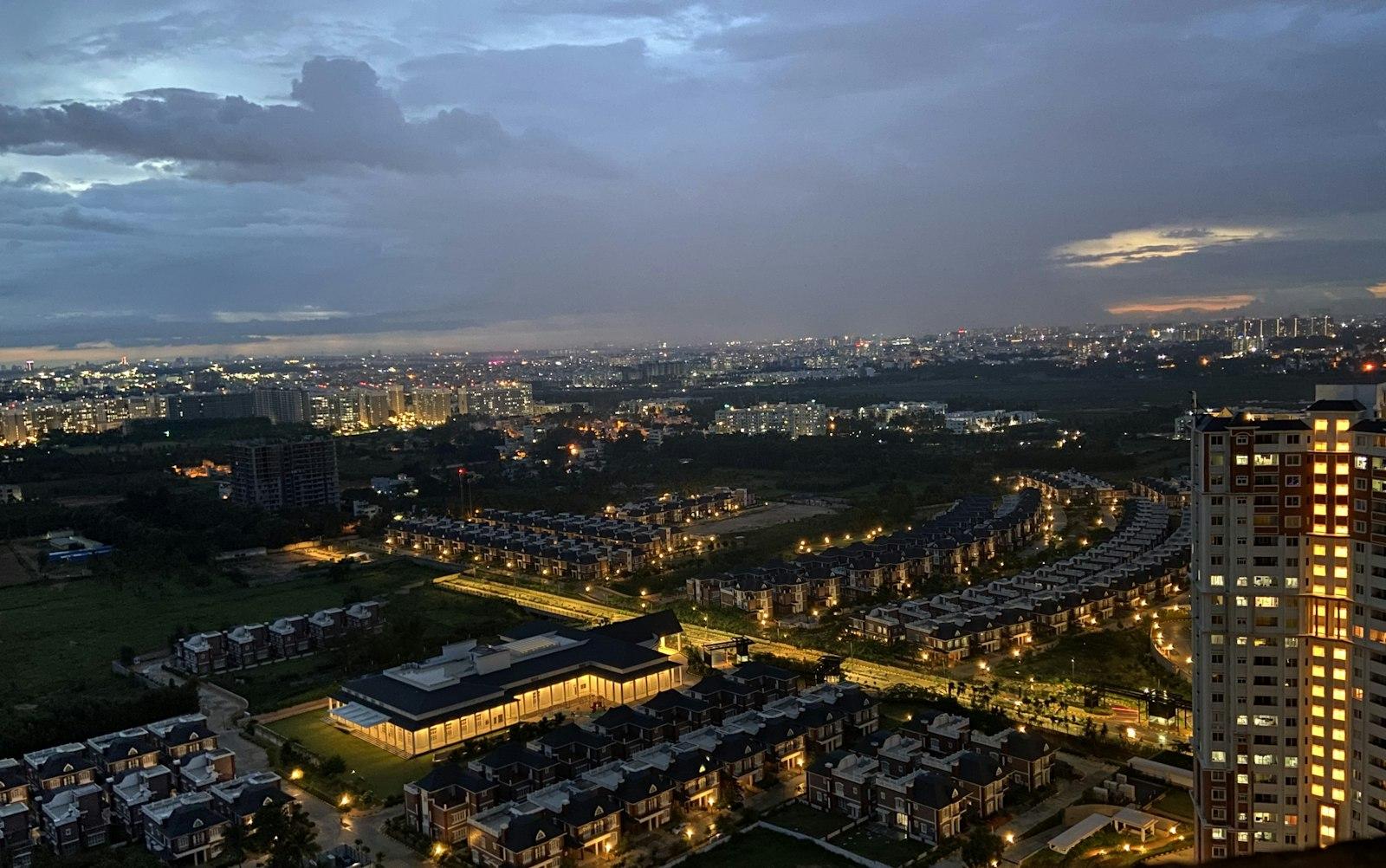
Lucknow can look formal from a distance—all nawabs, arches and etiquette—but it feels much more relaxed once you start walking. The old city gathers the major monuments, kebab shops and crowded bazaars into one lively stretch, while Hazratganj offers an easier evening wander. For a first day, begin around Bara Imambara before tour groups build, walk towards Rumi Darwaza and leave time for the smaller Hussainabad monuments. On another day, pair the Residency with central Lucknow and finish over dinner rather than trying to squeeze in another sight. The city’s food is not a side activity; it is half the reason to come. Metro services help on selected routes, but autos and app cabs still do most of the useful connecting. Summers are fierce, so keep outdoor plans for early morning and late afternoon.
Jump to the part that helps now, or read straight through for a practical first-trip plan.
Lucknow makes more sense in neighbourhood-sized pieces. Begin with Bara Imambara, the Hussainabad monuments, the Residency, old markets and Hazratganj; the useful question is not “how many can I fit?” but “which places belong in the same day?”
Keep Bara Imambara, Rumi Darwaza and Chota Imambara in one old-city stretch. Give the Residency a separate, unhurried visit, then let dinner be the final plan rather than another monument.
Treat this as a shortlist, not a race. Pick places that sit naturally together, check current entry arrangements, and keep enough time for the neighbourhood around each stop.
The city’s defining Nawabi complex combines a vast vaulted hall with the Bhul Bhulaiya passages above it. A knowledgeable authorised guide helps the architecture make sense.
When: Daytime; verify current hours · Entry: Ticketed
This monumental gateway is best appreciated as part of the old-city walk rather than a quick photo stop from traffic.
When: Exterior visible throughout the day · Entry: Free
Mirrors, chandeliers and calligraphy give this nineteenth-century complex a completely different mood from its larger neighbour.
When: Daytime; religious observances may affect access · Entry: Ticketed
Ruined buildings and a museum explain the long siege of 1857. Give it time; the grounds are larger and quieter than they first appear.
When: Daytime; verify museum closure · Entry: Ticketed
A tall Victorian-era landmark beside the old city’s monument cluster and an easy addition to a walking route.
When: Exterior landmark · Entry: Free
Constantia is an extraordinary European-Indian building with a complicated colonial history. Visitor access is limited because this is a working school.
When: Access by prior arrangement only · Entry: Varies
Archaeology, sculpture and regional history make this a useful indoor stop, particularly in hot or wet weather.
When: Check weekly closure · Entry: Ticketed
The central shopping district works best in the evening, when cafés, bookshops and old storefronts provide a gentler contrast to Chowk.
When: Shops keep individual hours · Entry: Free
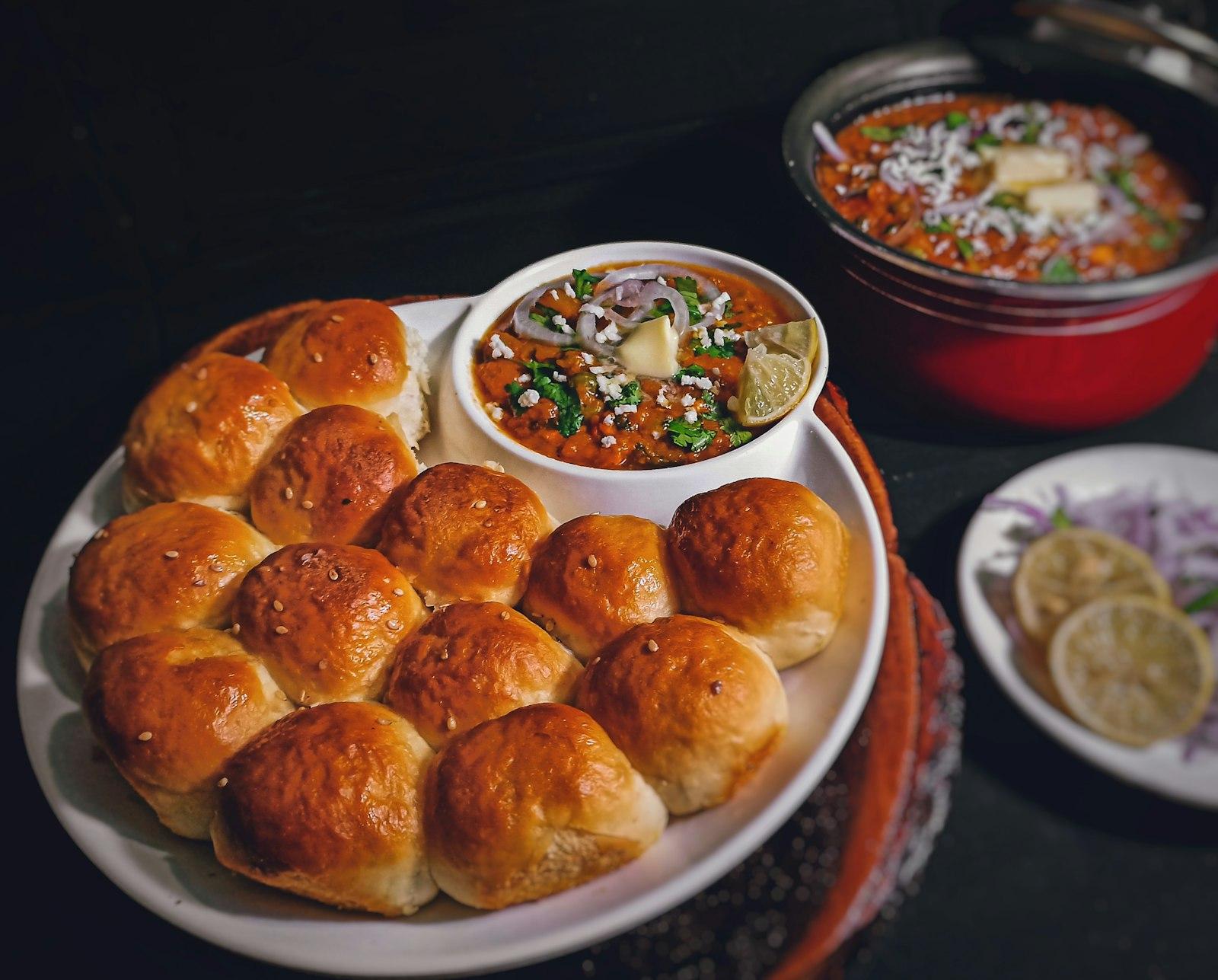
If you only order the most famous dish in Lucknow, you will miss the everyday cooking around it. Start with galouti kebabs, Awadhi biryani, nihari, sheermal, chaat and delicate milk sweets, follow the rhythm of breakfast and lunch, and choose busy kitchens where food is moving quickly.
Soft, finely minced kebabs built around warm spices rather than aggressive heat.
Good place to begin: Long-running kebab shops in Chowk and Aminabad
Typical range: ₹150–450
A fragrant, restrained dum biryani where stock, rice and aroma matter more than chilli.
Good place to begin: Established Awadhi restaurants
Typical range: ₹220–550
Slow-cooked meat gravy with soft bread, traditionally eaten in the morning.
Good place to begin: Old-city breakfast shops
Typical range: ₹180–450
A crisp potato basket loaded with yoghurt, chutneys and crunchy toppings.
Good place to begin: Busy chaat counters in Hazratganj
Typical range: ₹100–220
A lightly sweet saffron bread that pairs naturally with rich Awadhi gravies.
Good place to begin: Old-city bakeries
Typical range: ₹40–120
A delicate sweet with a thin malai wrapper and nutty filling.
Good place to begin: Established sweet shops
Typical range: ₹60–180
November to February is the comfortable window for walking and unhurried meals. March warms quickly, while April to June can make afternoon sightseeing exhausting. Monsoon rain cools the city but can slow road travel.
The generally comfortable period brings stronger leisure demand and higher prices around holidays, festivals and weekends.
Heat makes early starts, air-conditioned breaks and convenient transport more important than the lowest room rate.
Monsoon conditions can lower some rates but add rain delays, humidity and changes to outdoor access.
Demand can spike sharply on specific dates. Reserve transport and accommodation early, then confirm local access restrictions.
The small decisions make or break a Lucknow trip: the side of town you sleep in, the hour you leave and whether Metro on the useful corridor, followed by autos or app cabs suits that particular journey. Here is the practical version, without pretending traffic and weather always cooperate.
₹1,800–5,500 per person per day (excluding intercity travel)
Lucknow can suit several budgets, but accommodation location and private transport make a larger difference than many visitors expect.
A lower room rate is poor value when it creates repeated long journeys. Price the whole day—stay, meals, entry fees and transport—before choosing a base.
Choose accommodation around the experiences that matter most; these areas serve different kinds of Lucknow trip.
mid to premium
The easiest central base for a first visit.
mid to premium
Modern hotels and restaurants, farther from old Lucknow.
budget to mid
Handy for trains but busy.
budget
Close to food and heritage, with narrow access.
₹1,800–2,800
₹3,500–5,500
₹8,500+
Two days cover the old city, Residency and central food stops without rushing. Add a third if museums and slower neighbourhood walks matter to you.
Yes for the central clusters. Metro, autos and app cabs cover most visitor routes.
Hazratganj is the easiest all-round base; the old city suits travellers prioritising monuments and food.
Not necessarily. Awadhi cooking is often aromatic and rich rather than simply hot, though individual dishes vary.
Planning to visit more cities? Check out these amazing destinations across India.
State
Uttar Pradesh
Top Attractions
8
Best Time
November to February
Budget Range
₹1,800–5,500 per person per day
Last Updated
2026-09-11