1. Shaniwar Wada
The surviving gateways and foundations of the Peshwa citadel anchor Pune's old city. Interpretation helps reconstruct what fire and time removed.
When: Daily; verify current hours · Entry: Ticketed
Maharashtra
Pune combines Maratha history, university neighbourhoods, museums, energetic food districts and quick access to the forts and monsoon landscapes of the Western Ghats.
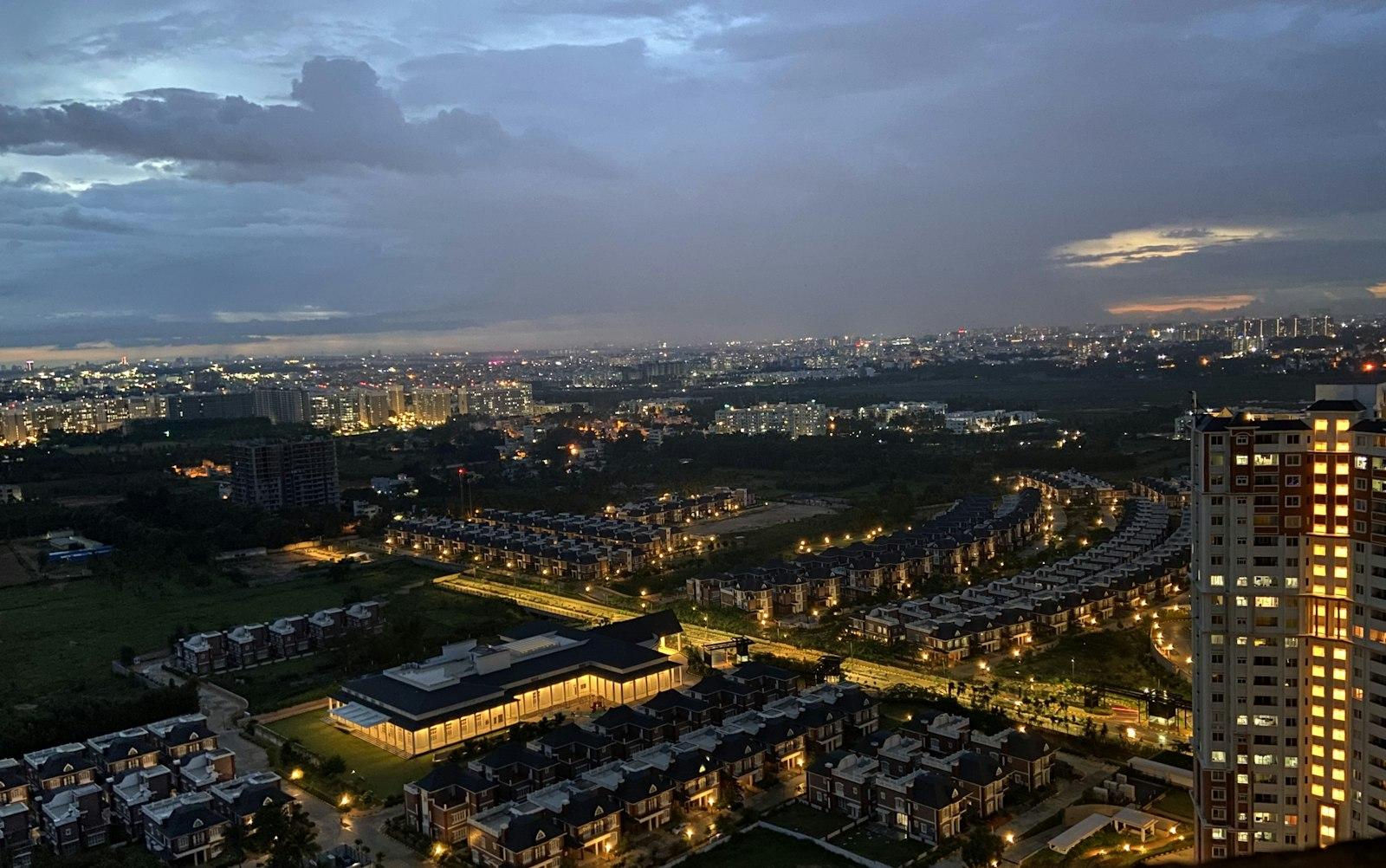
Pune has several identities: seat of Peshwa power, centre of social reform and education, military cantonment, technology hub and gateway to the Sahyadri hills. Its historic core is compact enough for a focused walk, but museums, gardens and contemporary districts spread well beyond it. Start around Shaniwar Wada and the old peths, give the Raja Dinkar Kelkar Museum time rather than rushing its dense collection, and treat Aga Khan Palace as a separate eastern stop. Fort treks outside Pune require weather, transport and safety planning; they are not casual extensions of a city afternoon. The Metro is expanding and useful on selected corridors, while buses, autos and app cabs fill the gaps. Monsoon makes the surrounding hills dramatically green but also slippery and crowded, so responsible route selection matters.
Jump to the part that helps now, or read straight through for a practical first-trip plan.
There is no prize for seeing all of Pune in one day. Start with Shaniwar Wada, the old peths, Aga Khan Palace, museums, hill viewpoints and Maratha heritage, then leave enough breathing room to notice the city between the headline stops.
Walk Shaniwar Wada, the old peths and nearby museums in one central day. Pair Aga Khan Palace with eastern Pune, and reserve Sinhagad for an early separate excursion.
Treat this as a shortlist, not a race. Pick places that sit naturally together, check current entry arrangements, and keep enough time for the neighbourhood around each stop.
The surviving gateways and foundations of the Peshwa citadel anchor Pune's old city. Interpretation helps reconstruct what fire and time removed.
When: Daily; verify current hours · Entry: Ticketed
An elegant palace closely connected with India's independence movement and the imprisonment of Mahatma Gandhi, Kasturba Gandhi and colleagues.
When: Verify restoration-related access · Entry: Ticketed
A remarkable private collection of everyday and decorative objects, musical instruments and architectural fragments. Its density rewards at least two hours.
When: Daily schedule; verify · Entry: Ticketed
A hill fort southwest of Pune associated with major Maratha history and broad seasonal views. Access, traffic and trail conditions vary sharply.
When: Daylight; start early · Entry: Transport and local fees may apply
An eighth-century rock-cut Shiva temple hidden below street level near the modern centre, best visited quietly outside worship peaks.
When: Daily worship schedule · Entry: Free
A reconstructed palace site associated with Chhatrapati Shivaji Maharaj, useful as part of an old-city history circuit.
When: Verify current access · Entry: Low-cost or free; verify
A carefully landscaped garden inspired by Japanese design, popular for an evening walk away from the historic core.
When: Timed sessions may apply · Entry: Ticketed
A citizen-supported museum and memorial in the cantonment area presenting India's military history.
When: Verify opening days and security rules · Entry: Usually free
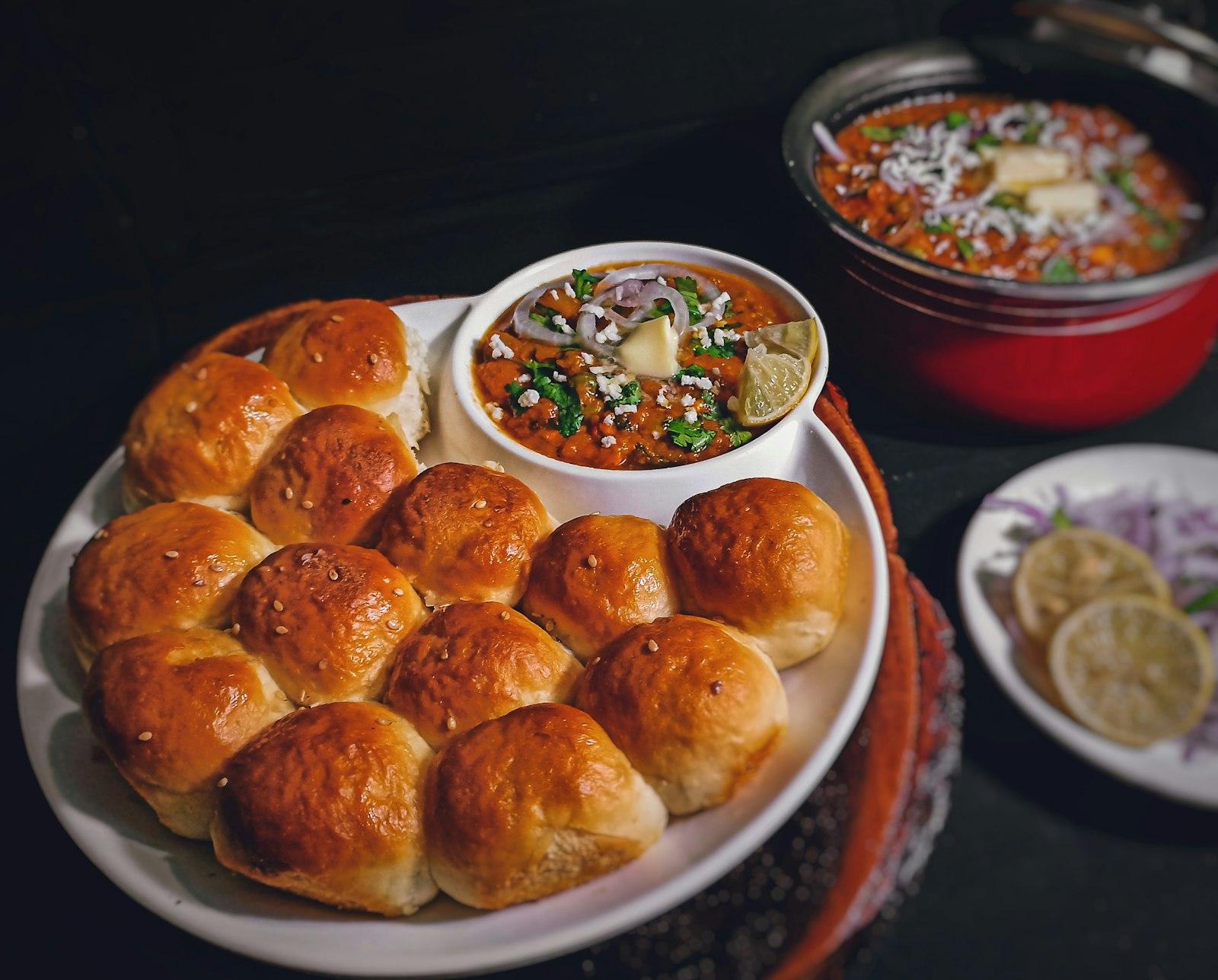
If you only order the most famous dish in Pune, you will miss the everyday cooking around it. Start with misal pav, bhakarwadi, mastani, Maharashtrian thalis, sabudana dishes and bakery classics, follow the rhythm of breakfast and lunch, and choose busy kitchens where food is moving quickly.
Sprouted-legume curry layered with farsan, onion and spicy tarri, served with bread; heat levels vary substantially.
Good place to begin: Specialist breakfast and snack restaurants
Typical range: ₹100–250
A crisp, spiral savoury snack with sweet-spicy filling that travels well when bought freshly packed.
Good place to begin: Established Pune snack shops
Typical range: ₹120–350 per pack
A dense milkshake-dessert topped with ice cream and nuts, named after the historic figure Mastani.
Good place to begin: Traditional cold-drink houses
Typical range: ₹120–250
Gram-flour preparation with millet flatbread represents hearty rural Maharashtrian cooking.
Good place to begin: Maharashtrian thali restaurants
Typical range: ₹180–400
Tapioca pearls with peanuts, potato and spices form a popular fasting dish and everyday breakfast.
Good place to begin: Breakfast shops and Maharashtrian restaurants
Typical range: ₹80–180
Pune's famous snack-and-sweet shops make useful stops for packaged regional gifts; compare freshness and labels.
Good place to begin: Long-established branded outlets
Typical range: ₹100–500
October to February offers comfortable city weather and clearer conditions for many outdoor excursions. Evenings can be cool. March to May is hot, though usually less humid than Mumbai. June to September is Pune's popular monsoon season: hills and waterfalls revive, but heavy rain, slippery fort paths, low visibility and weekend congestion require conservative decisions.
The generally comfortable period brings stronger leisure demand and higher prices around holidays, festivals and weekends.
Heat makes early starts, air-conditioned breaks and convenient transport more important than the lowest room rate.
Monsoon conditions can lower some rates but add rain delays, humidity and changes to outdoor access.
Demand can spike sharply on specific dates. Reserve transport and accommodation early, then confirm local access restrictions.
The small decisions make or break a Pune trip: the side of town you sleep in, the hour you leave and whether Metro where its route fits, with buses, autos and app cabs for dispersed sights suits that particular journey. Here is the practical version, without pretending traffic and weather always cooperate.
₹1,800–6,000 per person per day (excluding intercity travel)
Pune can suit several budgets, but accommodation location and private transport make a larger difference than many visitors expect.
A lower room rate is poor value when it creates repeated long journeys. Price the whole day—stay, meals, entry fees and transport—before choosing a base.
Choose accommodation around the experiences that matter most; these areas serve different kinds of Pune trip.
mid
Central, lively and convenient for food.
budget to mid
Strong transport and practical access.
mid to premium
Popular for cafés and nightlife.
mid
Convenient for the airport, less so for the old city.
₹1,700–2,800
₹3,500–6,000
₹9,000+
Two days cover central history, a major museum and neighbourhood food; add a third for a carefully planned fort or countryside trip.
It is popular but rain creates slippery surfaces, fog and traffic. Check conditions and avoid severe-weather days.
No. It helps on selected corridors, but most itineraries still combine walking, autos, buses or app cabs.
Deccan offers a useful balance of central access, food and culture; Koregaon Park suits travellers prioritising cafés and nightlife.
Planning to visit more cities? Check out these amazing destinations across India.
State
Maharashtra
Top Attractions
8
Best Time
October to February; monsoon is scenic but needs caution
Budget Range
₹1,800–6,000 per person per day
Last Updated
2026-08-08