Goa
Goa
Top Attractions in Goa
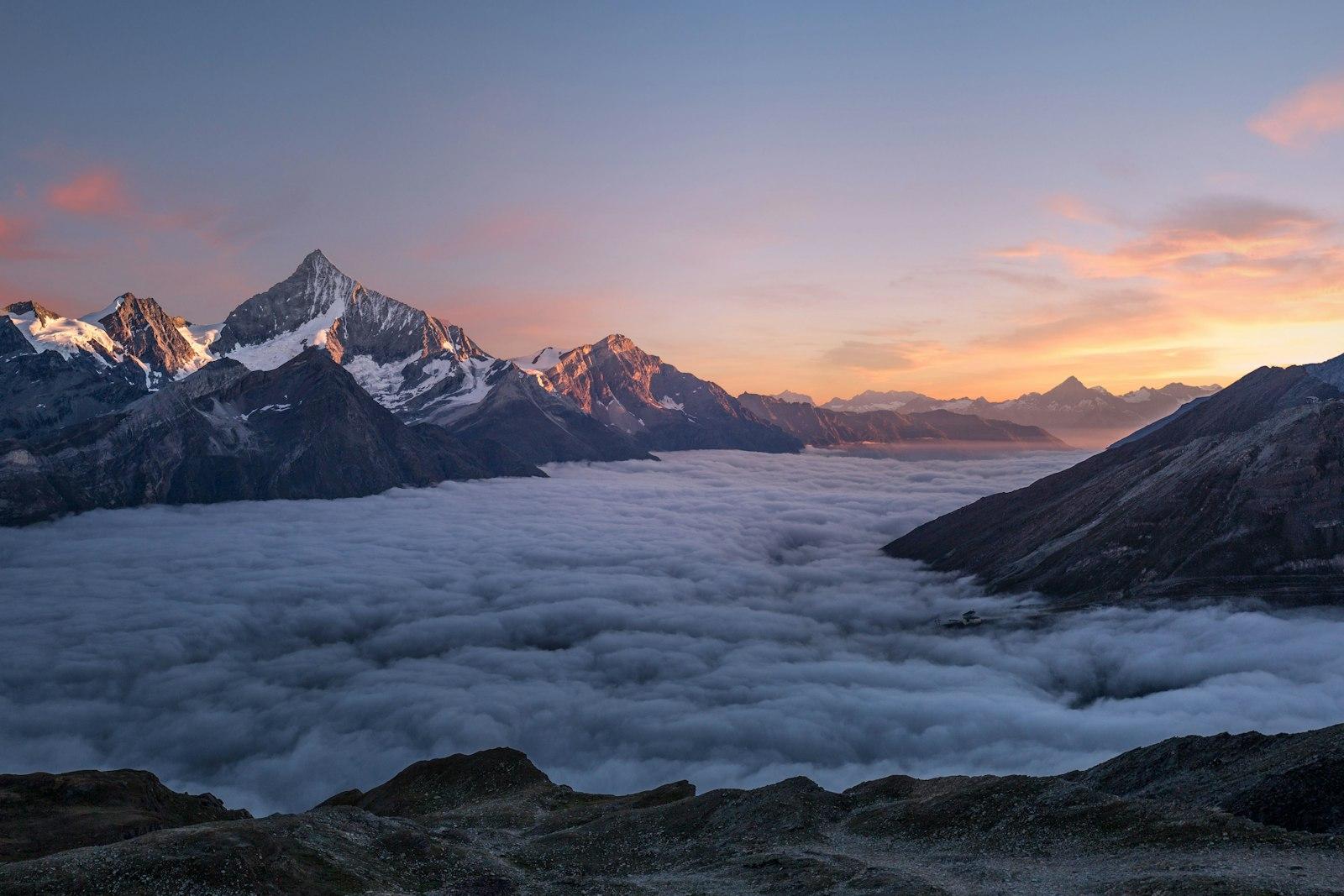
Goa is a state rather than a single compact city, so distance matters more than a checklist. Its headline experiences are split among North Goa’s forts and busy beaches, Panjim and Old Goa’s heritage, and South Goa’s longer, quieter coastline.
Timings and entry fees were verified on our last visit. They change occasionally — if you spot an outdated detail, please let us know.
1Basilica of Bom Jesus
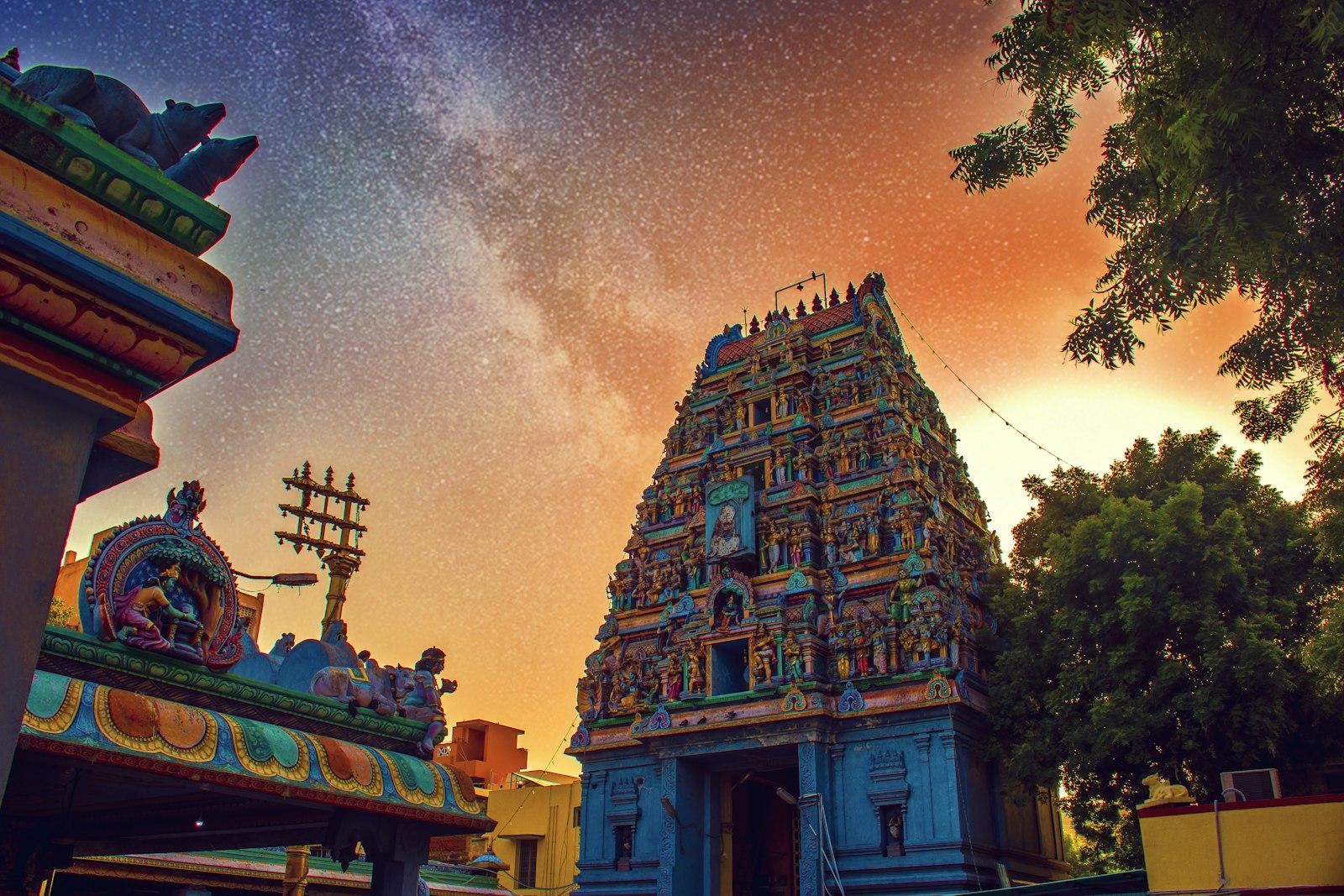
The most famous church in Goa and part of the Old Goa UNESCO World Heritage cluster. Built in 1605, this Baroque basilica holds the mortal remains of St. Francis Xavier, one of the most revered Catholic saints in Asia, in an ornate silver casket. The exterior is laterite stone left deliberately unplastered; the interior is gilded and dramatic. The relics are displayed publicly only once a decade during the Exposition, which draws enormous crowds, but the basilica itself is open year-round. It's an active place of worship, so dress modestly, cover shoulders and knees, and keep quiet during mass. Pair it with the Se Cathedral and the other Old Goa churches a short walk away. Free to enter.
Timings
9:00 AM - 6:30 PM (Sundays from 10:30 AM after mass)
Entry Fee
Free
2Se Cathedral
A short walk from the Basilica, Se Cathedral is the largest church in Asia and another centrepiece of the Old Goa heritage site. Built over 80 years and completed in 1652, it's a vast Portuguese-Manueline structure dedicated to St. Catherine. One of its two original bell towers collapsed, but the surviving one holds the famous Golden Bell, one of the largest in Goa, with a deep toll that once rang across the old capital. The scale inside is the thing, a huge barrel-vaulted nave and gilded altars. It's still in use, so the same modest-dress and quiet rules apply. With the Basilica, the Church of St. Francis of Assisi, and the small archaeological museum all within a few minutes' walk, Old Goa is an easy half-day of heritage. Free to enter.
Timings
7:30 AM - 6:00 PM
Entry Fee
Free
3Fort Aguada
A well-preserved 17th-century Portuguese fort on the headland between Candolim and Sinquerim in North Goa, built to guard the mouth of the Mandovi river against the Dutch and Marathas. It once held the largest freshwater spring in the area, which is where the name comes from. The four-storey lighthouse, one of the oldest of its kind in Asia, still stands. The views over the Arabian Sea and the coastline are excellent, especially at sunset, and the ramparts are great for photos. Part of the old fort below served as a jail for decades. It's an easy stop if you're staying in the Candolim-Calangute belt. Free to enter the upper fort; there's usually a small parking charge.
Timings
9:30 AM - 6:00 PM (best at sunset)
Entry Fee
Free (small parking charge)
4Calangute & Baga Beaches
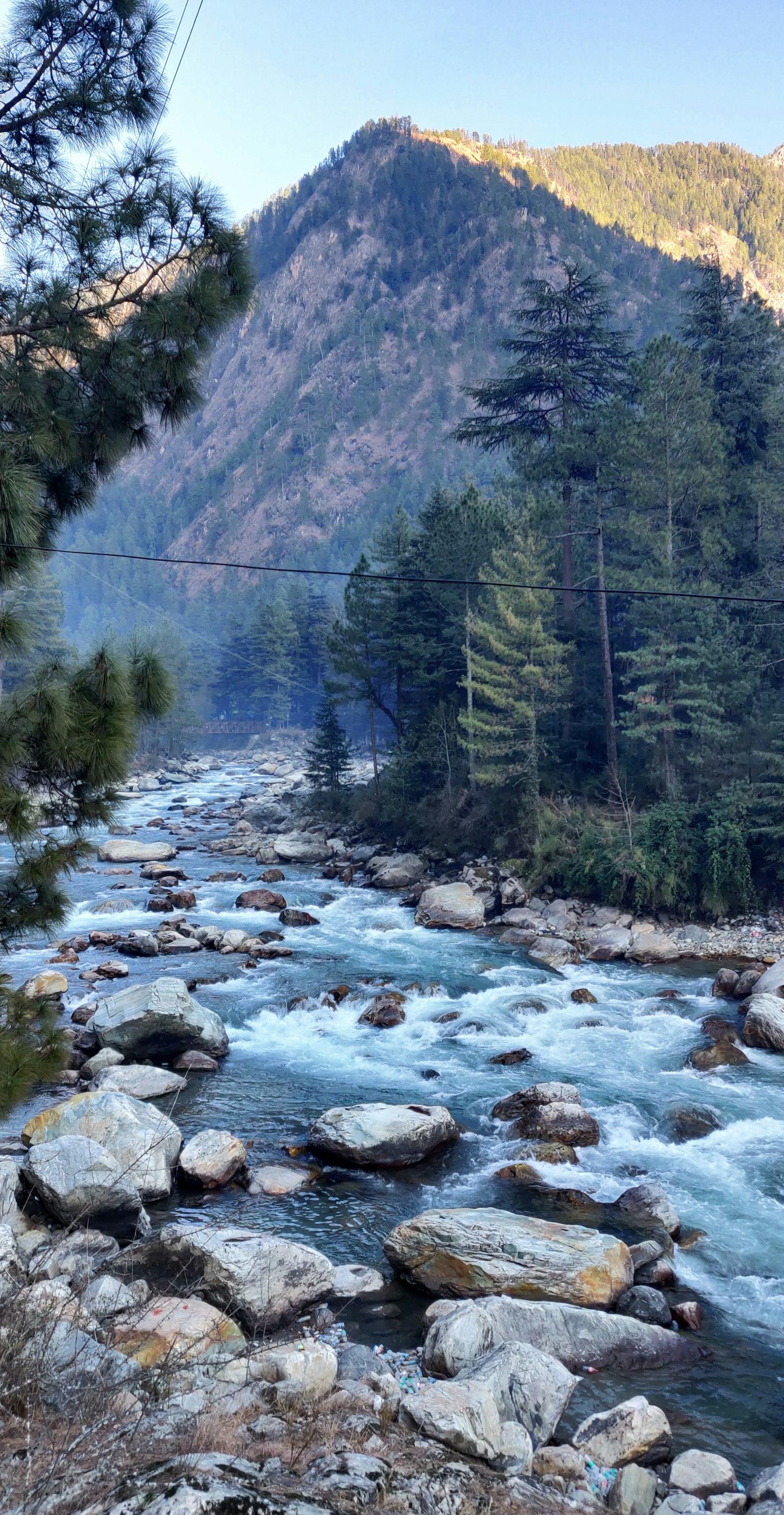
The busiest beaches in North Goa, and for many visitors the heart of the action. Calangute is the long, wide 'Queen of Beaches', packed with sun-loungers, water sports operators, and shacks. Baga, just north, is the nightlife hub, home to legendary spots like Tito's and Mambo's and a strip that runs late into the night. This is mass-tourism Goa: lively, loud, commercial, and a lot of fun if that's what you want. Parasailing, jet skis, and banana-boat rides line the sand, and the shacks serve cold beer and fresh seafood all day. If you're after quiet and space, head south instead, but if you want the full energetic North Goa experience, this is it. Free; you pay for loungers, sports, and food.
Timings
Open 24 hours (water sports daytime only)
Entry Fee
Free
5Chapora Fort & Vagator
A crumbling Portuguese-era fort on a headland above Vagator, made famous to a generation of Indians by the film Dil Chahta Hai. There isn't much left of the fort itself, but the walk up is short and the reward is one of the best coastal panoramas in North Goa, looking over Vagator beach and the Chapora river. It's at its best at sunset, when crowds gather on the ramparts, so arrive a little early to find a spot. Below, Vagator's beaches (Big and Little Vagator, and nearby Ozran) are more dramatic than the Calangute belt, backed by red cliffs. The Vagator-Anjuna area is also the centre of Goa's trance and party scene. Free, open through daylight hours.
Timings
Open daylight hours (best at sunset)
Entry Fee
Free
6Anjuna Beach & Flea Market
Anjuna is where Goa's hippie reputation was born in the 1960s and 70s, and it still has a bohemian, alternative feel. The beach is rocky and characterful rather than long and sandy, backed by cafes and trance clubs. The real draw for many is the Wednesday Flea Market (in season), a sprawling bazaar of clothes, jewellery, instruments, spices, and souvenirs run by vendors from across India and beyond. Bargain hard at the market, start well below the asking price. Anjuna is also known for its sunset parties and full-moon events. The Saturday Night Market at nearby Arpora is the bigger, more polished evening version, with food stalls, live music, and shopping. Beach and market are free; you pay for what you buy.
Timings
Beach open 24 hours; Flea Market Wednesdays (in season, roughly 9 AM - 6 PM)
Entry Fee
Free
7Dudhsagar Waterfalls

One of India's tallest waterfalls, a four-tiered cascade that drops around 310 metres through the forested Bhagwan Mahaveer (Mollem) sanctuary on the Goa-Karnataka border. The name means 'sea of milk', and at full flow after the monsoon it absolutely earns it. You can't drive to the base. The standard way in is a shared jeep safari from Kulem (Collem), booked on the spot, which bumps you through the forest to a viewing area. The falls are at their most powerful from roughly October to January; access is often restricted during the peak monsoon for safety, and swimming rules change year to year. Carry water, wear shoes that handle wet rock, and start early to beat the crowds. Jeep safari and forest entry charges apply.
Timings
Daylight hours; best October to January (jeep safari from Kulem)
Entry Fee
Jeep safari around ₹2,400-3,000 per jeep (shared, seats 6) plus forest entry
8Palolem Beach
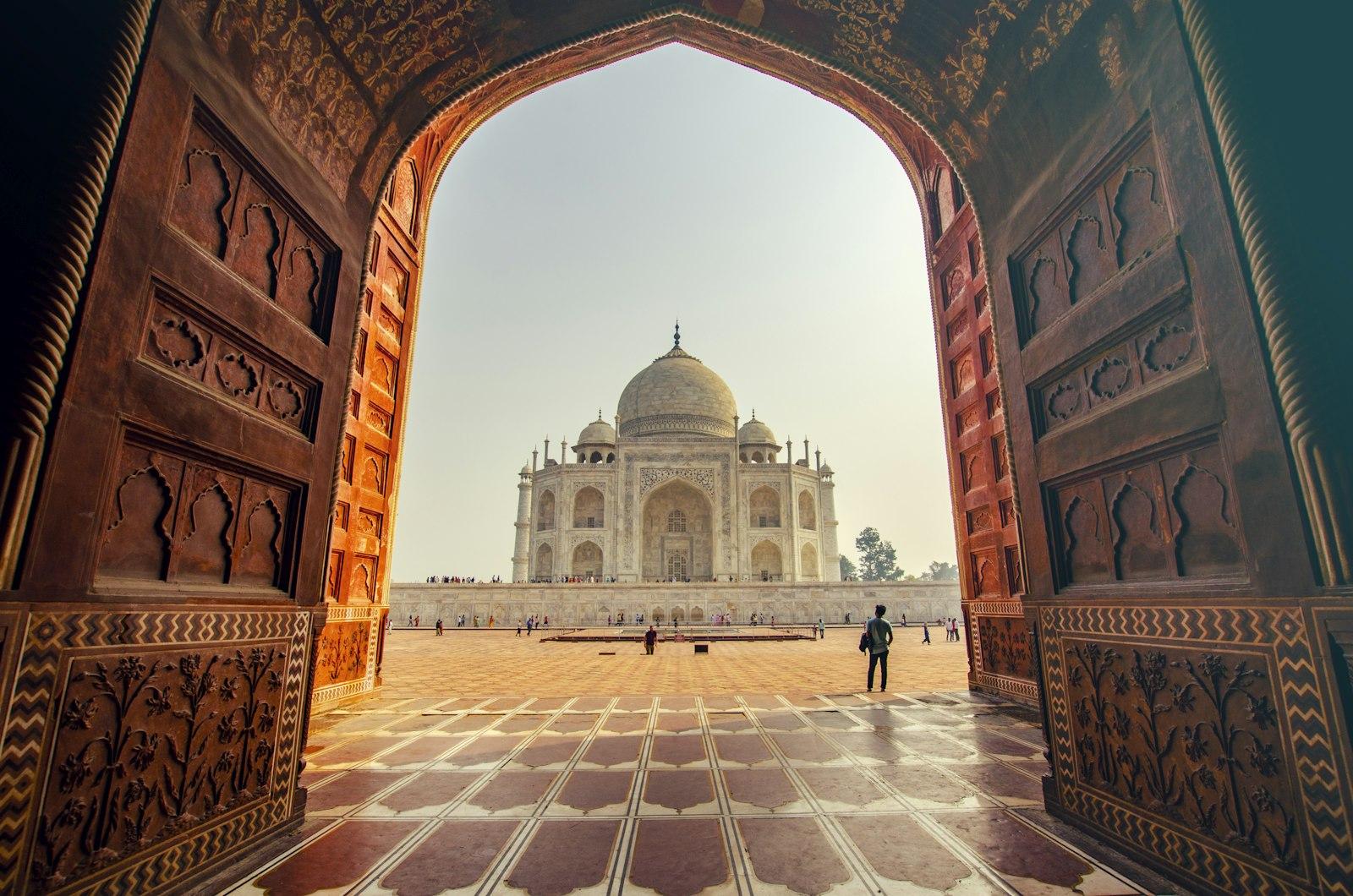
The signature beach of South Goa and, for many, the most beautiful in the state. A near-perfect crescent of soft sand backed by palms, with calm water for much of the season and a far more relaxed feel than the northern beaches. The vibe is mellow: yoga, kayaking, beach huts, and quiet shacks rather than loud clubs. Palolem is famous for its 'silent disco' parties, where everyone dances to music on wireless headphones because outdoor amplified music is restricted late at night. Boat operators run dolphin-spotting and trips to nearby Butterfly and Honeymoon beaches. Agonda, a little to the north, is even quieter. If your idea of Goa is calm, scenic, and unhurried rather than party-hard, base yourself in the south around here. Free; you pay for huts, food, and boats.
Timings
Open 24 hours (boat trips daytime)
Entry Fee
Free
9Fontainhas (Latin Quarter, Panaji)

The old Latin Quarter of Panaji, and the best-preserved pocket of Portuguese-era Goa. Narrow lanes wind between brightly painted heritage houses, ochre, blue, green, and red, with overhanging balconies, terracotta roofs, and tiny chapels. Many homes are still lived in, and a few have become boutique guesthouses, galleries, and cafes. It's a place to wander on foot rather than tick off sights. Look for the Chapel of St. Sebastian, the old wells, and the Portuguese-tiled house numbers. Early morning and late afternoon give the softest light and the fewest people. It's compact, free to explore, and the most atmospheric corner of the state capital. Combine it with a walk along the Mandovi riverfront and the nearby Church of Our Lady of the Immaculate Conception.
Timings
Open all hours (best early morning or late afternoon)
Entry Fee
Free
10Shri Mangueshi Temple
A reminder that Goa has a deep Hindu heritage alongside its churches. This temple in Ponda, inland from the coast, is one of the largest and most visited in the state, dedicated to Lord Manguesh, a form of Shiva. The deity was moved here in the 16th century from its original site to escape destruction during the Portuguese era, and the present complex is bright, well kept, and architecturally distinctive, with a striking seven-storey lamp tower (deepstambha). The Ponda area is sometimes called Goa's temple belt, with several important temples within a short drive, including Shri Shantadurga. It's an easy and worthwhile detour if you want to see the side of Goa that isn't beaches and churches. Dress modestly and remove your shoes. Free to enter.
Timings
6:00 AM - 10:00 PM
Entry Fee
Free
Planning a multi-day itinerary?
Choose either North or South Goa as your base and explore that region first. Give Panjim and Old Goa a dedicated heritage day, then add a fort-and-beach circuit nearby. Crossing from the far north to the deep south for a single attraction usually wastes more time and taxi money than it is worth. Pair this with the Food chapter, the Budget page, or the Hidden Gems chapter.
Quick Facts
State
Goa
Top Attractions
10
Best Time
Mid-November to February (dry, sunny, 28-32°C; peak prices over Christmas/New Year)
Budget Range
₹2,000 - ₹5,000 per day
Last Updated
2026-08-08